
Manual clutches offer precise power control in small engines‚ vital for applications like go-karts and mini bikes. They bridge engine power to the drivetrain effectively.
What is a Manual Clutch?
A manual clutch is a mechanical device that engages and disengages the engine’s power from the drivetrain. Unlike automatic transmissions‚ it requires the operator to manually control this connection‚ typically via a lever and cable system. This control allows for precise gear changes and power delivery.
Essentially‚ it’s a system of friction plates that‚ when pressed together‚ transfer rotational force. When separated‚ the engine can run without powering the wheels‚ enabling shifting or idling. This fundamental component is crucial for many small engine applications.
Why Use a Manual Clutch on a Small Engine?
Manual clutches provide superior control over small engine power‚ essential for applications demanding responsiveness like go-karts and ATVs. They offer a direct connection‚ maximizing efficiency and minimizing power loss compared to automatic systems.
Furthermore‚ manual clutches are generally more affordable and simpler to maintain than automatic transmissions. This makes them ideal for hobbyist projects and applications where cost-effectiveness is paramount. They also allow for greater driver engagement and a more dynamic riding experience.
Types of Manual Clutches
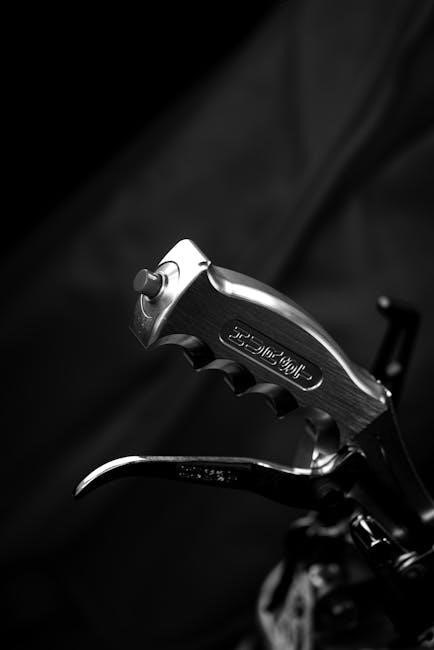
Manual clutches for small engines commonly include centrifugal‚ friction disc‚ and cone types‚ each offering unique engagement characteristics and suitability for various applications.
Centrifugal Clutch
Centrifugal clutches are widely used in small engines due to their simplicity and automatic operation. They engage as engine RPM increases‚ utilizing weighted shoes that move outward.
This outward movement contacts the clutch drum‚ transferring power. They require no manual lever operation‚ making them ideal for applications like go-karts‚ lawnmowers‚ and mini bikes where ease of use is paramount.
However‚ they can exhibit some slippage at lower RPMs‚ and precise control isn’t always achievable.
Friction Disc Clutch
Friction disc clutches‚ resembling those in cars‚ offer greater control than centrifugal types in small engines. They utilize a pressure plate‚ friction disc‚ and flywheel to transmit power when engaged via a lever and cable.
This system allows for smooth starts‚ precise gear changes‚ and efficient power delivery. Commonly found in higher-performance karts and ATVs‚ they demand more operator skill.
Maintenance includes periodic disc inspection and cable adjustment for optimal performance.
Cone Clutch
Cone clutches‚ a less common design in modern small engines‚ employ a conical friction surface. They offer a large friction area within a compact space‚ historically favored for their robust engagement characteristics.
Operation involves forcing the cone against a mating surface‚ transmitting power. While durable‚ they can be more complex to adjust and maintain compared to disc or centrifugal clutches.
Their use is now largely superseded by more efficient and user-friendly alternatives.

Components of a Manual Clutch System
Essential components include the clutch lever‚ cable‚ pressure plate‚ friction disc‚ and flywheel – working together to smoothly engage and disengage engine power.
Clutch Lever
The clutch lever‚ typically hand-operated‚ is the driver’s primary control for the manual clutch system. When pulled‚ it initiates the disengagement process‚ separating the engine’s power from the transmission.
Its design varies‚ but generally features a pivot point and adjustable mechanism for customized feel and travel. Proper adjustment is crucial for smooth operation and preventing premature wear on other components like the cable and pressure plate. Maintaining a free play within the lever is also vital.
Clutch Cable
The clutch cable acts as the crucial link between the clutch lever and the clutch mechanism itself. It transmits the force applied by the operator to disengage the clutch. Constructed from durable‚ braided steel‚ it must withstand significant tension and repeated use.
Regular inspection for fraying‚ kinks‚ or corrosion is essential. Proper lubrication minimizes friction within the cable housing‚ ensuring smooth operation and preventing sticking. Adjustment is key to maintaining correct clutch engagement and disengagement.
Pressure Plate
The pressure plate is a fundamental component‚ applying force to the friction disc against the flywheel. This clamping force transmits engine power to the transmission when the clutch is engaged; It typically consists of a robust metal housing‚ strong springs‚ and a friction surface.
Consistent pressure is vital for efficient power transfer and preventing slippage. Wear on the friction surface reduces clamping force‚ necessitating replacement. Inspecting the springs for fatigue is also crucial for reliable performance.
Friction Disc
The friction disc‚ often called the clutch disc‚ is the heart of power transfer. It’s positioned between the flywheel and pressure plate‚ utilizing friction to connect the engine to the transmission. Constructed with a steel core and friction material‚ it endures significant heat and wear.
Regular inspection is key; worn friction material causes slippage‚ reducing performance. Replacing the disc often coincides with pressure plate replacement for optimal clutch function and longevity.
Flywheel
The flywheel is a heavy‚ rotating disc connected directly to the engine’s crankshaft. Its primary function is to store rotational energy‚ smoothing out power delivery and aiding engine starting. Crucially‚ it provides a surface for the clutch disc to engage against.
Flywheel condition is vital; damage or wear impacts clutch performance. Resurfacing or replacing the flywheel is often necessary during clutch service to ensure a smooth‚ reliable connection.
How a Manual Clutch Works
Manual clutches connect or disconnect engine power via friction. Controlled by a lever‚ they allow gear changes and idling without stalling the engine efficiently.
Engagement Process
Clutch engagement begins as the lever is released‚ gradually applying pressure to the pressure plate. This compresses the friction disc against the flywheel‚ initiating power transfer.
Initially‚ slippage occurs‚ allowing for smooth acceleration as the engine and drivetrain synchronize speeds.
As the lever fully releases‚ complete contact is established‚ locking the engine and transmission together for direct power delivery. This process requires careful adjustment for optimal performance and prevents jolting starts.
Disengagement Process
Clutch disengagement starts when the clutch lever is pulled‚ reducing pressure on the pressure plate. This separation allows the friction disc to detach from the flywheel‚ interrupting power flow to the drivetrain.
The engine continues running‚ but the wheels are freed‚ enabling gear changes or complete stopping without stalling.
Full lever pull ensures complete separation‚ preventing any residual power transfer. Smooth release is crucial to avoid abrupt stops or jerks during operation.
The Role of the Clutch Lever
The clutch lever is the operator’s primary control for engaging and disengaging the clutch. Pulling the lever activates the clutch cable‚ which then retracts the pressure plate‚ separating it from the friction disc.
Releasing the lever allows the pressure plate to re-engage‚ transmitting engine power.
Proper adjustment ensures smooth operation and prevents slippage or drag. The lever’s position directly dictates power transfer to the wheels‚ offering precise control.

Installation of a Manual Clutch
Installation demands careful alignment and secure mounting of the clutch assembly. Precise cable adjustment is crucial for optimal performance and smooth engagement.
Preparation and Safety
Before beginning installation‚ disconnect the spark plug wire to prevent accidental starting. Gather all necessary tools – wrenches‚ sockets‚ and potentially a clutch holding tool. Ensure the engine is cool to avoid burns.
Always wear safety glasses to protect your eyes from debris. Work in a well-lit and ventilated area. Review the manufacturer’s instructions thoroughly.
Confirm you have the correct clutch kit for your specific engine model. Double-check all components are present and undamaged before proceeding with the installation process.
Mounting the Clutch
Begin by aligning the clutch with the flywheel‚ ensuring proper orientation as per the manufacturer’s diagram. Carefully slide the clutch onto the crankshaft‚ verifying it seats fully and squarely.
Secure the clutch using the appropriate mounting hardware‚ tightening bolts gradually in a star pattern to ensure even pressure. Avoid over-tightening‚ which could damage the clutch or crankshaft.
Inspect for any wobble or misalignment after mounting. A properly mounted clutch should spin freely without binding or excessive play.
Adjusting the Clutch Cable
Begin with the clutch lever fully disengaged‚ ensuring free play exists – typically 1/8 to 1/4 inch. Locate the cable adjuster‚ usually near the lever or engine.
Adjust the cable by turning the adjuster barrel; tightening increases tension‚ loosening decreases it. Verify full clutch engagement at the engine and complete disengagement with the lever.
Re-check free play after each adjustment. Proper adjustment prevents slippage and ensures smooth shifting‚ extending clutch life and optimizing performance.
Maintenance and Troubleshooting
Regular checks of the clutch cable‚ identifying slippage or drag‚ are crucial. Adjustments and timely repairs maintain optimal performance and prevent damage.
Clutch Cable Adjustment
Proper clutch cable adjustment is paramount for smooth operation and longevity. Too much slack prevents full clutch engagement‚ causing slippage and wear. Conversely‚ excessive tension keeps the clutch partially engaged‚ leading to drag and potential damage to the transmission.
Adjustment typically involves a barrel adjuster located on the cable or lever. Loosen the locknut‚ rotate the adjuster to achieve the correct free play – usually around 1/8 to 1/4 inch – and retighten the locknut. Regularly inspect and readjust as cables stretch over time‚ ensuring optimal performance.
Clutch Slippage Diagnosis
Clutch slippage manifests as the engine revving higher without a corresponding increase in speed. Several factors can cause this. Worn friction discs are a primary culprit‚ lacking the necessary grip. Contamination from oil or grease also reduces friction.
Inspect the friction discs for wear and glazing. Check for leaks that might be oiling the clutch. Ensure proper cable adjustment‚ as insufficient tension contributes to slippage. A thorough inspection and component replacement often resolve the issue.
Clutch Drag Diagnosis
Clutch drag occurs when the clutch doesn’t fully disengage‚ causing difficulty shifting or the vehicle to creep forward even with the clutch pedal depressed. This often stems from warped or damaged components‚ or a lack of lubrication.
Inspect the pressure plate and friction disc for warping. Examine the clutch cable for binding or improper routing. Ensure adequate lubrication of the clutch release mechanism. Addressing these issues restores smooth clutch operation and prevents premature wear.
Applications of Manual Clutches
Manual clutches are commonly found in go-karts‚ mini bikes‚ ATVs‚ and even some lawn mowers‚ providing controlled power transfer for varied tasks.
Go-Karts
Go-karts heavily utilize manual clutches‚ particularly centrifugal types‚ due to their simplicity and responsiveness. These clutches allow for easy starting and provide a direct connection between the engine and the rear axle.
This direct drive enhances acceleration and control‚ crucial for karting. Riders benefit from the ability to modulate power during cornering and straightaways. Proper clutch adjustment is vital for optimal performance‚ preventing slippage or drag. Different clutch weights can be used to fine-tune engagement speed based on track conditions and driver preference.
Mini Bikes
Mini bikes frequently employ manual clutches‚ often centrifugal or friction disc designs‚ to manage power delivery from their small engines. These clutches provide a straightforward method for controlling acceleration and deceleration‚ essential for navigating varied terrains.
The clutch allows riders to easily start and stop without stalling‚ enhancing the overall riding experience. Adjustments are key to prevent slippage on inclines or ensure smooth engagement. Selecting the correct clutch type impacts performance and usability for different riding styles.

ATVs (Small Engine)
Small engine ATVs often utilize manual clutches‚ particularly for recreational models‚ offering riders greater control over power and torque. These clutches‚ frequently centrifugal‚ simplify operation while providing responsive acceleration for tackling obstacles and varied terrain.
Proper clutch maintenance is crucial for optimal ATV performance‚ preventing slippage and ensuring smooth transitions between gears. Clutch selection impacts the ATV’s ability to climb hills and navigate challenging conditions effectively‚ enhancing the overall riding experience.
Lawn Mowers & Garden Equipment
Manual clutches in lawn mowers and garden equipment primarily serve to engage and disengage the cutting blade or other attachments. Centrifugal clutches are commonly employed for their simplicity and automatic operation‚ engaging as engine speed increases.
This design allows for easy starting and stopping of the equipment without constantly manipulating a lever. Maintaining proper clutch function is vital for efficient operation and preventing damage to the engine or driven components‚ ensuring reliable performance.
Choosing the Right Manual Clutch
Selecting a clutch depends on engine power‚ application demands‚ and desired control. Consider clutch type – centrifugal‚ friction disc‚ or cone – for optimal performance.
Engine Size and Power
Matching the clutch to your engine’s output is crucial. Smaller engines (under 6.5 horsepower) often benefit from centrifugal clutches due to their simplicity and automatic operation. Larger engines‚ particularly those exceeding 10 horsepower‚ generally require friction disc or cone clutches to handle the increased torque.
Consider the engine’s peak torque; the clutch must be rated to withstand this force without slipping. Overloading a clutch leads to premature wear and reduced performance. Carefully review the clutch manufacturer’s specifications regarding horsepower and torque capacity to ensure a proper fit for your specific engine.
Application Specific Needs
Different applications demand different clutch characteristics. Go-karts prioritize quick engagement and disengagement for responsive handling‚ often favoring friction disc clutches. Lawn mowers and garden equipment may utilize centrifugal clutches for ease of use and automatic operation.
ATVs require robust clutches capable of handling varied terrain and load conditions. Mini bikes often use simpler centrifugal designs. Consider the operating environment – dusty or wet conditions may necessitate sealed or corrosion-resistant clutch components for longevity and reliable performance.
Clutch Type Considerations
Centrifugal clutches are simple and ideal for applications needing automatic engagement‚ like some lawnmowers. Friction disc clutches offer greater control‚ preferred for go-karts and mini bikes where precise shifting is crucial. Cone clutches‚ while less common‚ provide smooth engagement but require more adjustment.
Evaluate the engine’s power band and intended use. Higher horsepower engines generally benefit from friction disc or multi-plate systems. Simpler applications can effectively utilize centrifugal designs‚ balancing cost and performance.
Advanced Clutch Systems
Multi-plate clutches enhance power handling‚ while hydraulic systems—rare in small engines—offer smoother‚ more consistent engagement and reduced cable wear.
Multi-Plate Clutches
Multi-plate clutches significantly increase the surface area for friction‚ allowing them to transmit substantially more power than single-plate designs. This makes them ideal for high-performance small engines where increased torque capacity is crucial.
They utilize multiple friction discs and pressure plates stacked together‚ effectively multiplying the clamping force. While more complex and potentially heavier‚ multi-plate clutches offer superior heat dissipation and a more positive engagement‚ preventing slippage under demanding conditions. They are often found in racing applications.
Hydraulic Clutch Systems (Rare in Small Engines)
Hydraulic clutch systems‚ while common in automobiles‚ are relatively uncommon in small engines due to cost and complexity. They utilize hydraulic fluid to transmit force from the clutch lever to the pressure plate‚ offering a smooth and consistent engagement feel.
However‚ the added components – master cylinder‚ lines‚ and slave cylinder – increase the system’s weight and potential for leaks. Cable-operated systems are generally simpler‚ more affordable‚ and sufficient for most small engine applications‚ making hydraulics a niche choice.
Safety Precautions
Always disconnect the spark plug before working on the clutch. Use proper tools and understand rotating machinery hazards to prevent injuries during maintenance.
Working with Rotating Machinery
Extreme caution is paramount when dealing with small engine clutches‚ as components rotate at high speeds. Never work on a running engine; always disconnect the spark plug wire to prevent accidental starting. Keep hands‚ clothing‚ and tools clear of moving parts during inspection or repair. Ensure the engine is completely stopped and cooled before attempting any maintenance. Loose clothing or jewelry can become entangled‚ causing severe injury. Always use appropriate safety glasses and gloves for protection. Be mindful of flywheel momentum even after the engine is off.
Proper Tool Usage
Utilize the correct tools for each task when servicing a manual clutch. Employ properly sized wrenches and sockets to avoid rounding off fasteners. A clutch holding tool is essential to prevent the flywheel from rotating during clutch component removal. Torque wrenches are crucial for tightening fasteners to the manufacturer’s specifications. Avoid using excessive force‚ which can damage delicate parts. Inspect tools before each use for wear or damage. Sharp tools are safer than dull ones‚ requiring less force. Always wear safety glasses when using tools.