
Rod Guides: A Comprehensive Overview (Updated 02/13/2026)
Rod guides are essential components‚ influencing casting accuracy and line management; materials like stainless steel‚ titanium‚ and carbon fiber are frequently utilized.
Fishing rod guides are the unsung heroes of a successful cast‚ often overlooked yet fundamentally crucial to the angling experience. These small‚ yet mighty components‚ strategically positioned along the length of a fishing rod‚ serve as the pathway for your line‚ directly impacting casting distance‚ accuracy‚ and overall line control. They aren’t merely placeholders for the line; they actively manage its flow‚ reducing friction and preventing damage.

Historically‚ rod guides were simple‚ often crafted from rudimentary materials. However‚ modern advancements have led to a diverse range of materials‚ including stainless steel‚ aluminum oxide‚ titanium‚ and sophisticated inserts like Silicone Carbide (SiC) and Titanium Carbide. The evolution reflects a constant pursuit of lighter weight‚ increased durability‚ and enhanced performance‚ particularly when paired with modern braided and superlines. Understanding the role and nuances of rod guides is paramount for both anglers seeking to optimize their existing equipment and those embarking on custom rod building projects.
The Primary Function of Rod Guides
The core function of fishing rod guides is to efficiently transfer energy from the angler to the fishing line during a cast‚ while simultaneously managing the line during retrieve and fighting a fish. They minimize friction‚ preventing heat buildup that can weaken monofilament or damage braided lines. This smooth line flow directly translates to increased casting distance and improved accuracy.
Beyond energy transfer‚ guides distribute stress across the rod blank‚ preventing localized pressure points that could lead to breakage. They also dictate the angle at which the line leaves the rod‚ influencing casting trajectory. Stripping guides‚ positioned closest to the reel‚ initiate this process‚ while subsequent guides refine the line’s path. The precise placement and configuration of these guides are critical; double-foot guides often start near the reel‚ transitioning to single-foot guides towards the tip‚ optimizing both strength and sensitivity.
Historical Development of Rod Guide Materials
Early fishing rods utilized rudimentary guides‚ often crafted from wood or bone‚ offering minimal line control and significant friction. The introduction of stainless steel marked a substantial improvement‚ providing durability and corrosion resistance‚ becoming a standard for many years. However‚ stainless steel’s weight and friction prompted the search for alternatives.
Aluminum oxide emerged as a popular choice‚ offering a smoother surface and reduced friction at a lower cost; The late 20th and early 21st centuries witnessed the rise of high-performance materials like titanium‚ prized for its lightweight nature and exceptional strength. Simultaneously‚ silicone carbide (SiC) and titanium carbide inserts gained prominence‚ offering incredibly smooth surfaces ideal for modern braided lines.
Carbon fiber guides‚ though less common‚ provide extreme lightness. Historically‚ even materials like agate and colored glass were used in high-end rods‚ showcasing a continuous evolution driven by the pursuit of enhanced performance and sensitivity.

Rod Guide Materials
Rod guides utilize diverse materials like stainless steel‚ aluminum oxide‚ titanium‚ and carbon fiber‚ each possessing unique properties impacting weight‚ durability‚ and overall performance.

Stainless Steel Rod Guides
Stainless steel rod guides represent a traditional and widely utilized option‚ favored for their affordability and commendable corrosion resistance. These guides are a practical choice for anglers fishing in both freshwater and saltwater environments‚ offering reliable performance without a substantial financial investment.
However‚ stainless steel is comparatively heavier than other materials like titanium or carbon fiber‚ potentially adding noticeable weight to the rod‚ especially for anglers prioritizing sensitivity. While durable‚ stainless steel isn’t as rigid as some alternatives‚ which can slightly impact power transfer during casting.
Despite these considerations‚ stainless steel remains a popular choice‚ particularly for beginner or intermediate rods‚ and provides a solid balance of cost-effectiveness and functionality. They are often found on a wide range of rods‚ demonstrating their versatility and enduring appeal within the fishing community.
Aluminum Oxide Rod Guides
Aluminum oxide rod guides are a common upgrade from stainless steel‚ offering increased durability and smoother line flow. These guides feature a ceramic coating of aluminum oxide fused to a metal frame‚ typically stainless steel or aluminum. This ceramic insert significantly reduces friction‚ enhancing casting distance and minimizing line wear‚ particularly when using braided or superline fishing lines.
Aluminum oxide guides are known for their resistance to cracking and chipping‚ making them a robust choice for various fishing applications. While not as lightweight as titanium or carbon fiber‚ they provide a good balance between performance and cost.
They are a prevalent sight on mid-range rods‚ providing a noticeable improvement in performance over basic stainless steel guides without the premium price tag of higher-end materials. Their ability to withstand abrasion makes them suitable for diverse fishing scenarios.
Titanium Rod Guides
Titanium rod guides represent a premium option‚ prized for their exceptional strength‚ lightweight nature‚ and corrosion resistance. Titanium frames offer a significant weight reduction compared to stainless steel‚ enhancing rod sensitivity and reducing angler fatigue during extended use. These guides are particularly beneficial for anglers targeting species requiring finesse presentations or fishing in harsh saltwater environments.
Often paired with high-performance inserts like silicone carbide (SiC)‚ titanium guides deliver incredibly smooth line flow‚ maximizing casting distance and minimizing friction. While more expensive than stainless steel or aluminum oxide‚ the investment yields noticeable improvements in overall rod performance.
Titanium’s inherent resistance to corrosion makes these guides ideal for saltwater applications‚ preventing rust and maintaining optimal functionality over time. They are frequently found on high-end custom rods and are a favorite among serious anglers.
Carbon Fiber Rod Guides
Carbon fiber rod guides are a relatively modern innovation‚ offering a unique combination of lightweight construction and high rigidity. These guides utilize carbon fiber frames‚ significantly reducing weight compared to traditional metal frames‚ contributing to a more sensitive and balanced rod. While not as inherently corrosion-resistant as titanium or stainless steel‚ specialized coatings can enhance their durability.
Carbon fiber guides are often paired with ceramic inserts‚ such as silicone carbide‚ to provide a smooth surface for line travel and minimize friction. They are particularly well-suited for applications where weight reduction is paramount‚ like ultra-light tackle or specialized techniques.
However‚ carbon fiber can be more susceptible to impact damage than metal frames‚ requiring careful handling. They represent a mid-to-high price point option‚ offering a balance of performance and cost.
Silicone Carbide (SiC) and Titanium Carbide Inserts
Silicone Carbide (SiC) and Titanium Carbide inserts represent a premium upgrade in rod guide technology‚ primarily focused on minimizing friction and maximizing casting distance. These inserts are exceptionally hard and smooth‚ reducing heat buildup during casts‚ especially when using braided or superline fishing lines. This heat reduction preserves line integrity and extends its lifespan.
SiC inserts are commonly found in high-end and custom-built rods due to their superior performance and higher cost. Titanium Carbide offers even greater hardness and durability‚ though at an increased price point. They are often polished to a mirror finish‚ further enhancing line flow.
These inserts are particularly beneficial for anglers targeting sensitive species or employing techniques requiring long‚ accurate casts. While expensive‚ the improved performance and line protection justify the investment for serious anglers.
Rod Guide Types & Configurations
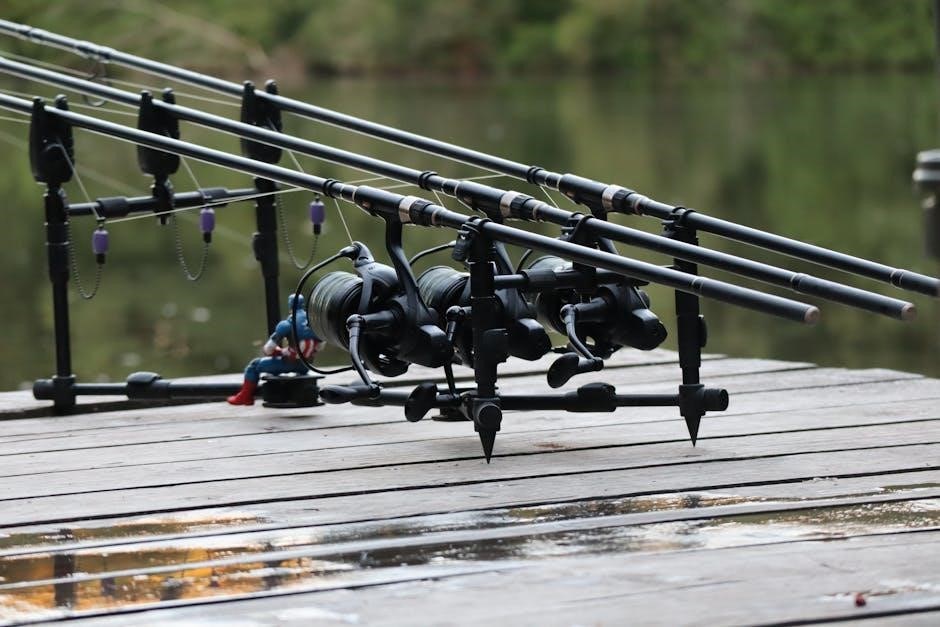
Rod guide configurations vary‚ including single and double foot designs‚ stripping guides near the reel‚ snake guides along the blank‚ and specialized tip-top guides.
Single Foot Guides
Single foot guides represent a streamlined design‚ featuring a single leg supporting the guide ring or insert. These guides are frequently favored by rod builders for completing the guide train towards the rod tip‚ often following the initial placement of double foot guides. Their lighter weight contributes to enhanced rod sensitivity‚ making them particularly suitable for applications where detecting subtle strikes is crucial.
However‚ it’s important to note that single foot guides offer less stability compared to their double foot counterparts. Consequently‚ they are generally not recommended for the initial guides closest to the reel‚ where greater support is needed to manage the stress from casting and retrieving heavier lines or lures. The choice to utilize single foot guides often balances weight reduction with the need for adequate structural integrity throughout the guide system. They are a common choice for finishing the run to the tip-top‚ offering a balance of performance and cost-effectiveness.
Double Foot Guides
Double foot guides are a mainstay in rod building‚ characterized by two legs securing the guide ring to the rod blank. This design provides significantly increased stability and strength compared to single foot guides‚ making them ideal for the initial guides positioned closest to the fishing reel. These guides effectively distribute the stress generated during casting‚ especially when using heavier lines or lures‚ preventing potential damage to the rod blank.
Rod builders commonly recommend utilizing double foot guides for the first and second guides‚ establishing a robust foundation for the entire guide train. While slightly heavier than single foot guides‚ the added stability is often considered a worthwhile trade-off‚ particularly for rods intended for demanding applications. The dual support system minimizes guide wobble and ensures smooth line flow‚ contributing to improved casting distance and accuracy. They are a reliable choice for maximizing durability and performance near the reel seat.
Stripping Guides
Stripping guides‚ the largest guides on a fishing rod‚ are strategically positioned closest to the reel. Their primary function is to efficiently strip line from the reel during the cast‚ initiating the line’s travel along the rod. These guides are typically larger in diameter to accommodate the initial surge of line and are often angled slightly to facilitate smooth line flow.
The inserts within stripping guides are crucial‚ frequently utilizing polished ceramic materials – sometimes even agate or colored glass in high-end rods – to minimize friction and heat buildup during extended casts with fast-moving lines. The angle at which these guides are mounted is also significant; an acute angle helps to direct the line properly. Selecting a high-quality stripping guide is paramount‚ as it bears the brunt of the initial casting force and significantly impacts overall casting performance and line management.
Snake Guides
Snake guides‚ characterized by their single-foot design‚ are the most commonly used guides along the length of a fishing rod. They are typically employed after the initial stripping guides and continue towards the tip-top. Their lightweight nature contributes to a more sensitive rod‚ enhancing the angler’s ability to detect subtle strikes. Rod builders often favor snake guides for the majority of the guide train‚ transitioning to double-foot guides for the first couple near the reel for added stability.
These guides are designed to minimize line friction as it travels down the rod during casting and retrieve. Materials range from stainless steel to more advanced options like titanium and those featuring silicone carbide (SiC) or titanium carbide inserts‚ offering increased durability and reduced friction‚ especially beneficial when using braided lines. Proper spacing and alignment of snake guides are critical for optimal line flow and casting performance.
Tip-Top Guides
Tip-top guides represent the final guide positioned at the very end of a fishing rod‚ crucial for smooth line flow and preventing tangles during casting. These guides are uniquely designed to wrap around the rod tip‚ providing a secure and durable connection point. They are often constructed with materials like stainless steel or aluminum oxide‚ though higher-end rods may utilize titanium for reduced weight and enhanced sensitivity.
The insert material within the tip-top guide is particularly important‚ with options like ceramic or SiC minimizing friction and protecting the rod tip from abrasion. Selecting the correct tip-top size is vital; it must be appropriately sized for the line diameter and rod diameter to ensure optimal performance. Anglers should regularly inspect tip-top guides for cracks or damage‚ as these can compromise line control and potentially lead to rod failure.

Factors Influencing Rod Guide Selection
Choosing guides depends on line type‚ rod action‚ target species‚ and fishing technique; considering these elements ensures optimal performance and casting efficiency for anglers.
Fishing Line Type & Compatibility
Selecting the correct rod guides necessitates a thorough understanding of fishing line compatibility. Traditional monofilament and fluorocarbon lines perform well with aluminum oxide guides‚ offering a balance of affordability and functionality. However‚ the rise of braided and superlines demands guides with smoother‚ harder inserts to withstand increased friction and prevent line wear.

Silicone carbide (SiC) and titanium carbide inserts are highly recommended for braided lines‚ minimizing heat buildup and maximizing casting distance. Stainless steel guides‚ while durable‚ can create more friction with these modern lines. The guide’s material directly impacts line life and casting performance; mismatched combinations can lead to premature line failure or reduced casting distance. Therefore‚ carefully consider your primary line type when choosing rod guides to ensure optimal performance and longevity.
Rod Action and Power
Rod action and power significantly influence the optimal guide setup. Faster action rods‚ designed for quick casts and hooksets‚ benefit from guides that facilitate smooth line flow and minimize friction. These rods often pair well with lighter-weight guides‚ like those featuring titanium frames and SiC inserts‚ enhancing sensitivity and casting efficiency.
Slower action rods‚ favored for presenting baits delicately‚ can utilize slightly heavier guides without compromising performance. Rod power – the amount of force needed to bend the rod – also plays a role. Heavier power rods require more robust guides capable of handling larger lines and heavier lures. Guide spacing and configuration must complement the rod’s action and power to ensure balanced performance and prevent stress points. A well-matched guide system maximizes the rod’s inherent capabilities.

Target Species and Fishing Technique
Target species and fishing technique dictate specific guide requirements. For instance‚ anglers targeting large‚ powerful fish like salmon or tuna necessitate guides capable of withstanding immense strain and abrasion. These situations demand durable materials like stainless steel or titanium‚ often with robust inserts like silicone carbide to handle heavy lines and aggressive runs.
Conversely‚ finesse techniques like trout fishing with light line require guides that prioritize sensitivity and minimize line friction. Smaller‚ lighter guides with smooth inserts are ideal. Fly fishing often employs specialized guides designed for delicate presentations and handling fly lines. The choice of guide material and configuration should align with the demands of the fishing style‚ ensuring optimal performance and minimizing the risk of line damage or guide failure during the fight.
Guide Placement and Spacing
Precise guide placement and spacing are critical for optimal rod performance. The initial guides‚ positioned above the reel‚ are typically larger and spaced further apart – often utilizing double-foot configurations – to manage line flow from the reel. As the line travels towards the tip‚ guide spacing gradually decreases‚ transitioning to single-foot guides for reduced weight and increased sensitivity.
Proper spacing ensures even distribution of stress along the rod blank during casting and fighting fish‚ preventing potential damage. Incorrect spacing can lead to line tangles‚ reduced casting distance‚ and decreased sensitivity. Experienced rod builders utilize established formulas and consider rod action and line type to determine the ideal guide placement‚ maximizing efficiency and preserving the rod’s integrity.

Advanced Rod Guide Considerations
Advanced considerations include frame material corrosion resistance‚ insert durability‚ and guide angle for smooth line flow; custom builds demand careful selection.
Frame Material and Corrosion Resistance
Frame material significantly impacts a rod guide’s longevity‚ particularly concerning corrosion resistance. Stainless steel frames offer a balance of affordability and decent corrosion protection‚ making them a popular choice for many rods. However‚ prolonged exposure to saltwater can eventually lead to rust‚ diminishing performance.
Titanium frames represent a substantial upgrade‚ boasting exceptional corrosion resistance even in harsh marine environments. While more expensive‚ their durability justifies the investment for anglers frequently fishing in saltwater. Carbon fiber frames are lightweight but generally lack the inherent corrosion resistance of metals‚ often requiring protective coatings.
The choice depends heavily on the intended fishing environment; freshwater anglers may find stainless steel sufficient‚ while saltwater enthusiasts should prioritize titanium. Considering the potential for damage and wear‚ selecting a frame material that withstands the elements is crucial for maintaining optimal rod performance and extending the guide’s lifespan. Premium rods often utilize titanium for superior resilience;
Insert Material and Durability
Insert material is paramount for minimizing friction and maximizing casting distance‚ directly impacting line wear. Stainless steel inserts‚ while cost-effective‚ exhibit higher friction compared to other options‚ potentially damaging modern braided lines. Aluminum oxide provides a smoother surface‚ enhancing line flow and durability‚ but isn’t ideal for superlines.
Silicone carbide (SiC) and titanium carbide inserts represent the pinnacle of performance‚ offering exceptionally low friction and superior resistance to wear from both monofilament and braided lines. These materials are commonly found on high-end and custom rods due to their expense. Polished ceramic inserts‚ including agate and colored glass‚ are sometimes used in specialized fly rod guides.
Durability is also key; harder inserts resist scratching and chipping‚ prolonging their lifespan. Selecting an insert material compatible with your preferred line type is crucial for protecting your investment and ensuring optimal casting performance. The insert’s quality directly correlates to the rod’s overall functionality.
Guide Angle and Line Flow
Guide angle significantly influences line flow‚ impacting casting distance and accuracy. Properly angled guides minimize friction‚ allowing the line to travel smoothly from the reel to the rod tip. Stripping guides‚ positioned closest to the reel‚ are often mounted at an acute angle to facilitate efficient line transfer. Incorrect angles can create unnecessary stress on the line‚ leading to premature wear and reduced casting performance.
Optimizing guide angle involves considering the rod’s action and the intended fishing technique. Faster action rods generally require more precise guide alignment. Smooth‚ progressive line flow is achieved when guides are strategically positioned to minimize abrupt bends in the line’s trajectory. This reduces friction and maximizes energy transfer during the cast.
Experienced rod builders meticulously adjust guide angles to ensure optimal line flow‚ enhancing the rod’s overall performance and angler experience. Proper alignment is a critical aspect of custom rod building.
Custom Rod Building and Guide Selection
Custom rod building offers anglers unparalleled control over component selection‚ including rod guides. Choosing the right guides is paramount for optimizing performance based on specific fishing needs. Builders carefully consider factors like target species‚ line type‚ and preferred casting techniques.
Premium materials like titanium frames and SiC inserts are popular choices for high-end custom rods‚ offering superior durability and reduced friction. However‚ more affordable options like stainless steel and aluminum oxide remain viable for budget-conscious builds. Guide spacing and configuration are also critical‚ often determined by mathematical formulas and builder experience.
The process involves precise alignment and secure attachment of each guide‚ ensuring smooth line flow and preventing potential damage. Custom builds allow anglers to tailor their rods for optimal sensitivity‚ power‚ and casting accuracy‚ resulting in a truly personalized fishing experience.