
Safety 1st thermometers offer a range of options for quickly and easily monitoring a child’s temperature, featuring user-friendly designs and helpful guides like printed fever charts.
What is a Safety 1st Thermometer?
Safety 1st thermometers are designed to provide parents with a reliable and convenient way to monitor their child’s health. These thermometers come in various types – forehead, ear, rectal, and oral – catering to different age groups and preferences.
They are known for features like quick readings, fever alarms, and guidance systems for self-measurement, aiming to make temperature taking less stressful for both parent and child. Many models, like the Quick Read thermometer, even include a fever chart directly on the device for easy interpretation.
Types of Safety 1st Thermometers Available
Safety 1st offers a diverse selection of thermometers to suit various needs. The Easy Read Forehead Thermometer provides a non-invasive option, while the Easy Read Ear Thermometer delivers fast results. Traditional rectal thermometers are also available, alongside standard oral models.
Infrared thermometers, like the IR-T2, represent another option. Each type has specific instructions for accurate use, ensuring parents can choose the most comfortable and effective method for their child’s age and situation.

Understanding Thermometer Components
Safety 1st thermometers consist of a temperature sensor, display screen, and activation buttons; understanding these parts is crucial for proper operation and accurate readings.
Key Parts of the Thermometer
Safety 1st thermometers, depending on the model, share several key components. The sensor accurately detects temperature, while the display clearly presents the reading. Activation buttons power the device and initiate measurements. Some models feature a protective lens for hygienic use. The battery compartment houses the power source, and many include a fever indicator or alarm. Forehead thermometers utilize infrared sensors, while ear thermometers have a probe. Always refer to your specific model’s diagram for precise component locations.
Display and Indicators Explained
Safety 1st thermometer displays typically show the temperature reading in Fahrenheit or Celsius, selectable via a button. A low battery indicator alerts you to replacement needs. Many models feature a fever alarm, signaling elevated temperatures. Some include visual cues, like color-coded displays, for quick interpretation. The display may also show a measurement unit indicator (°F or °C) and a ready indicator confirming accurate measurement. Refer to your manual for specific symbol meanings and display functions.

Taking a Temperature: General Instructions
Always read the manual before use. Ensure the thermometer is clean and functioning correctly. Select the appropriate measurement site for accurate results.
Preparation Before Taking a Temperature
Before initiating a temperature reading, carefully remove any packaging and familiarize yourself with the specific instructions for your Safety 1st thermometer model. Ensure the device is fully charged or has fresh batteries installed for optimal performance. Clean the thermometer’s sensor according to the manual’s guidelines to maintain hygiene and accuracy. Allow the patient to rest for approximately 15-20 minutes before taking a reading, especially if they have been physically active or recently consumed hot or cold beverages, as these factors can influence the results.
Proper Positioning for Accurate Readings
Accurate temperature readings depend heavily on correct positioning. For forehead thermometers, align the red LED dots directly on the forehead, maintaining a consistent distance as specified in the manual. Ear thermometers require gentle insertion into the ear canal, ensuring a secure seal. When taking oral temperatures, position the thermometer under the tongue and close the mouth gently. Rectal readings necessitate a lubricant and careful, slow insertion. Always follow the manual’s illustrations for precise placement to minimize errors.

Specific Instructions by Thermometer Type
Safety 1st offers varied thermometer types – forehead, ear, rectal, and oral – each requiring unique application techniques for optimal accuracy and reliable results.
Forehead Thermometer Usage
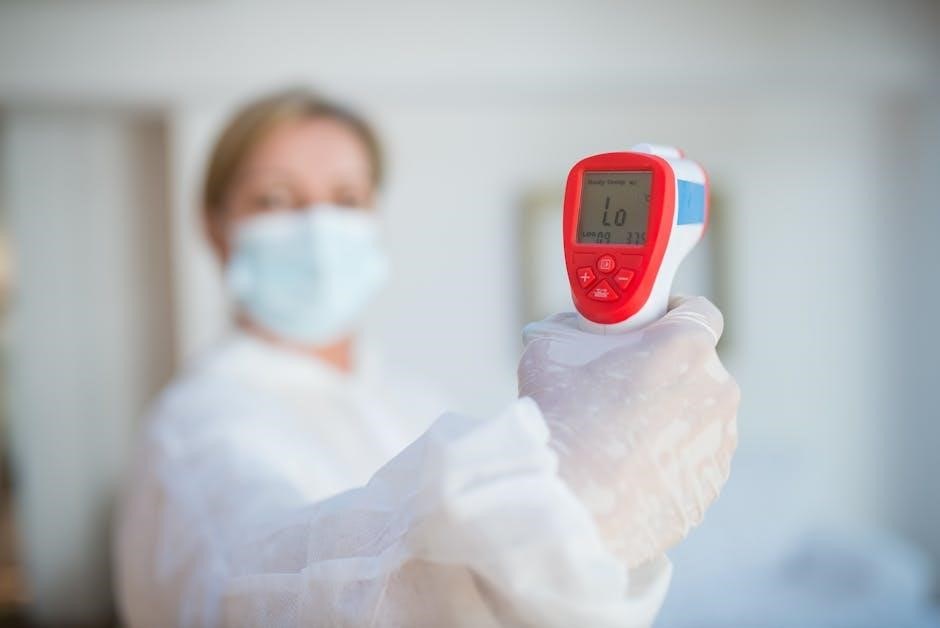
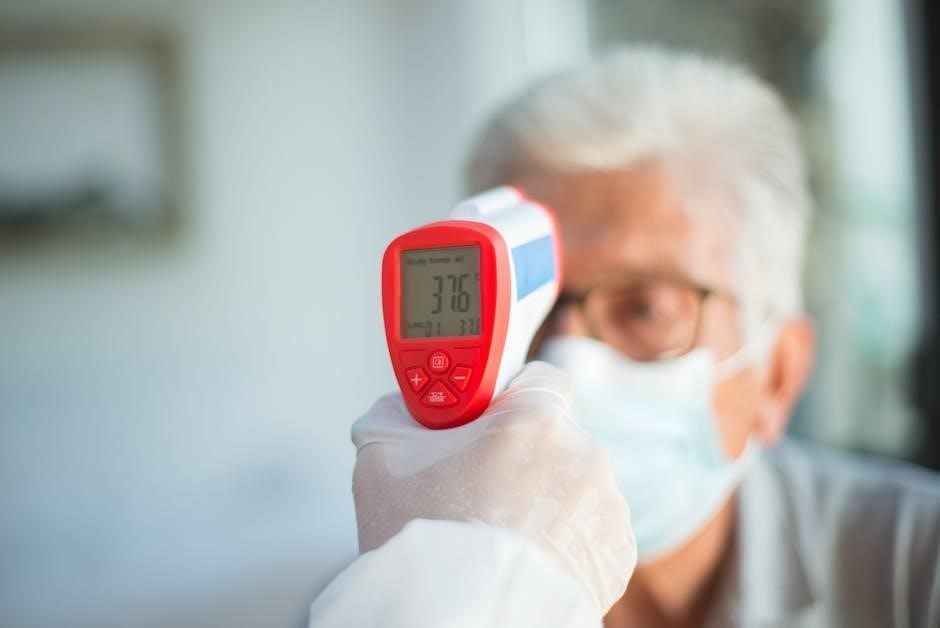
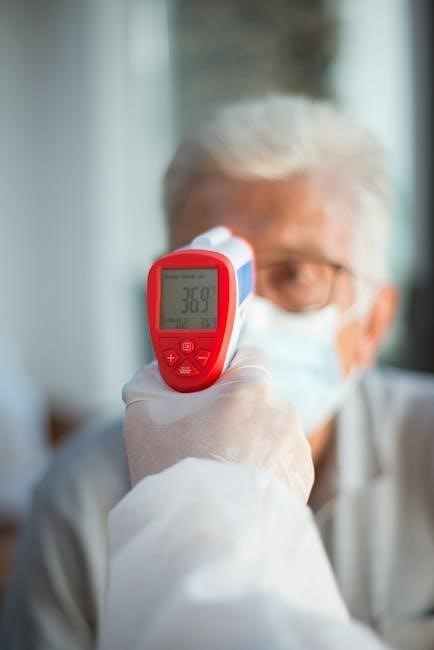
To utilize the Safety 1st Easy Read Forehead Thermometer effectively, align the red LED dots directly onto your child’s forehead, ensuring a stable and consistent position. Press the scan button, and within seconds, a temperature reading will appear on the display. It’s crucial to ensure the forehead is free from sweat or obstructions for accurate results. Remember to consult the fever chart printed on the thermometer’s back panel to interpret the reading appropriately, and always follow the complete instructions detailed in the user manual for optimal performance and safety.
Ear Thermometer Usage
For accurate readings with the Safety 1st Easy Read Ear Thermometer, gently pull the ear upwards and backwards (for children over six months) to straighten the ear canal. Insert the probe tip gently into the ear canal, ensuring a secure fit. Press the scan button, and the temperature will display rapidly. Proper positioning is vital; refer to the manual for detailed illustrations. Always use a fresh, disposable probe cover for hygienic measurements and to maintain accuracy, avoiding cross-contamination.
Rectal Thermometer Usage
Rectal temperature readings are considered the most accurate, especially for infants. Apply a water-based lubricant to the thermometer tip. Gently insert the thermometer no more than ½ to 1 inch into the rectum. Hold the thermometer securely during measurement. This method requires extra care and hygiene; always use a dedicated thermometer for rectal use only. Consult the user manual for detailed instructions and safety precautions regarding this sensitive measurement technique, ensuring comfort and accuracy.
Oral Thermometer Usage
For oral temperature readings, ensure the thermometer tip is clean. Place the thermometer under the tongue, towards the back of the mouth. Instruct the user to close their lips gently around the thermometer, avoiding biting down. Hold the thermometer in place until a reading is obtained, typically around 30-60 seconds. Do not use this method for young children or individuals unable to hold the thermometer securely. Always refer to the manual for specific guidance.
Interpreting Temperature Readings
Understanding fever charts and normal temperature ranges, which vary by age, is crucial for accurately assessing a child’s health using the thermometer.
Understanding Fever Charts
Fever charts, often conveniently printed directly on the Safety 1st thermometer itself, provide a quick reference guide for interpreting temperature readings. These charts categorize temperatures into ranges – normal, low-grade fever, and high fever – based on age.
It’s essential to remember that a fever isn’t always a cause for immediate alarm; the chart helps determine the severity. Understanding these ranges allows parents to make informed decisions about when to monitor symptoms closely or seek medical advice. Always consider the child’s overall condition alongside the temperature reading.
Normal Temperature Ranges by Age
Normal body temperature varies slightly depending on age and how the temperature is taken. Generally, a normal oral temperature is around 98.6°F (37°C), but this can fluctuate. For infants and young children, a rectal temperature is often considered the most accurate, typically ranging from 97.9°F to 100.4°F (36.6°C to 38°C).
Forehead and ear temperatures may be slightly lower. It’s crucial to understand these age-specific ranges when interpreting readings and determining if a fever is present, consulting a healthcare professional if concerned.
Safety Precautions and Warnings
Always carefully read the user manual before first use, paying close attention to safety regulations and warnings to ensure proper and safe operation.
General Safety Regulations
Attention! This device is intended for household use only and should not be used for professional medical diagnosis. Keep the thermometer out of reach of children when not in direct adult supervision, as small parts could present a choking hazard. Do not disassemble or modify the thermometer, as this will void the warranty and potentially create a safety risk. Avoid dropping the thermometer or subjecting it to strong impacts, which could damage the internal components and affect accuracy.
Battery Safety Information
Important: Only use the specified battery type for optimal performance and to prevent damage to the thermometer. Ensure correct polarity when inserting batteries (+ and -). Do not mix old and new batteries, or different types of batteries. Remove batteries if the thermometer will not be used for an extended period to prevent leakage and corrosion. Dispose of used batteries responsibly, following local regulations for battery recycling.
Cleaning and Maintenance
Regular cleaning ensures accurate readings and extends the life of your Safety 1st thermometer; wipe the probe with a soft, damp cloth after each use.
Proper Cleaning Procedures
To maintain hygiene and accuracy, always clean the thermometer after each use. Gently wipe the sensing probe with a soft cloth lightly dampened with water or a 70% isopropyl alcohol solution. Avoid harsh chemicals or abrasive cleaners, as these can damage the device.
Ensure the cloth is not dripping wet; excess moisture can cause internal damage. Allow the thermometer to air dry completely before storing it. For the exterior casing, use a dry cloth to remove any dust or debris. Never immerse the thermometer in water or any other liquid.
Storage Guidelines
Proper storage is crucial for maintaining the longevity and functionality of your Safety 1st thermometer. Store the device in a cool, dry place, away from direct sunlight and extreme temperatures. Avoid storing it in humid environments like bathrooms, as moisture can cause damage.
Keep the thermometer in its protective case when not in use to prevent scratches and dust accumulation. Remove batteries if the thermometer will not be used for an extended period to prevent leakage and corrosion.

Troubleshooting Common Issues
Addressing problems like inaccurate readings or display errors is often simple; ensure proper battery function and correct usage according to the manual.
Inaccurate Readings
If the thermometer provides inconsistent or seemingly incorrect temperature readings, several factors could be at play. First, verify proper positioning and technique, strictly adhering to the instructions for the specific thermometer type – forehead, ear, rectal, or oral. Ensure the device is clean and free of obstructions.
Low batteries can significantly impact accuracy, so replace them with fresh ones. External factors like ambient temperature or recent physical activity can also influence results. If issues persist, consult the user manual for further troubleshooting steps or contact customer support.
Display Errors
Encountering errors on the thermometer’s display often indicates a technical issue requiring attention. Common errors might include blank screens, flashing symbols, or unusual character sequences. Initially, attempt to reset the device by removing and reinserting the batteries.
If the problem persists, carefully review the user manual for specific error code definitions and recommended solutions. Avoid attempting self-repair, as this could void the warranty or cause further damage. Contacting Safety 1st customer support is advisable for assistance.

Fever Management Guidance
When a fever is detected, consult a doctor for appropriate advice. Comfort measures, like rest and hydration, can help manage discomfort during illness.
When to Consult a Doctor
It’s crucial to seek medical attention if a high fever persists, especially in infants. Consult a doctor immediately for temperatures exceeding 100.4°F (38°C) in babies under three months.
Additionally, seek professional advice if a fever is accompanied by concerning symptoms such as stiff neck, severe headache, difficulty breathing, dehydration, or unusual rash.
Trust your instincts; if you are worried about your child’s condition, don’t hesitate to contact a healthcare professional for guidance and evaluation.
Comfort Measures for Fever
While a fever isn’t always harmful, providing comfort is essential. Encourage fluid intake to prevent dehydration – water, diluted juice, or electrolyte solutions are good choices. Dress your child in lightweight clothing and maintain a comfortable room temperature.
A lukewarm sponge bath can help reduce fever, but avoid cold water, which can cause shivering. Over-the-counter fever reducers, like acetaminophen or ibuprofen, may be used as directed by a doctor.
Rest is also vital for recovery, allowing the body to focus on fighting the illness.
Warranty Information
Safety 1st thermometers are backed by a warranty covering defects in materials and workmanship; details regarding coverage and claim procedures are available online.
Coverage Details
Safety 1st warranties typically cover manufacturing defects in materials and workmanship under normal use. This doesn’t include damage from misuse, accidents, or unauthorized modifications. The warranty period varies by product, so retaining your proof of purchase is crucial. Coverage generally includes repair or replacement of the defective thermometer, at the discretion of Safety 1st. Shipping costs for warranty claims may apply, and the warranty is usually non-transferable. Always refer to the specific warranty documentation included with your thermometer for complete details and limitations.
How to Claim Warranty
To initiate a warranty claim, retain your original proof of purchase and contact Safety 1st customer support. You may need to provide details about the defect and potentially photos or videos demonstrating the issue. They will likely issue a Return Merchandise Authorization (RMA) number and instructions for shipping the thermometer. Ensure the product is securely packaged to prevent further damage during transit. Warranty claims are subject to verification and adherence to the warranty terms.