Study Guide for Human Anatomy and Physiology: A Comprehensive Plan
This comprehensive guide facilitates learning the intricacies of the human body, offering structured study paths—individualized or paced—delivered through platforms like Brightspace.
A foundational understanding of biology and chemistry proves beneficial, though the course is designed to be accessible even without prior extensive knowledge.
Embarking on the study of human anatomy and physiology requires a solid foundation, understanding that these disciplines are inextricably linked. Anatomy, the study of body structures, provides the framework, while physiology explores the functions of those structures.
Successfully navigating this complex field demands a commitment to both memorization and conceptual understanding. This guide aims to bridge the gap between rote learning and grasping the underlying principles governing the human body.
Whether you choose an individualized or paced learning approach, delivered through platforms like Brightspace, remember that a basic grasp of biology and chemistry will significantly enhance your comprehension. Prepare to delve into the fascinating world of how the human body works!
II. Levels of Structural Organization
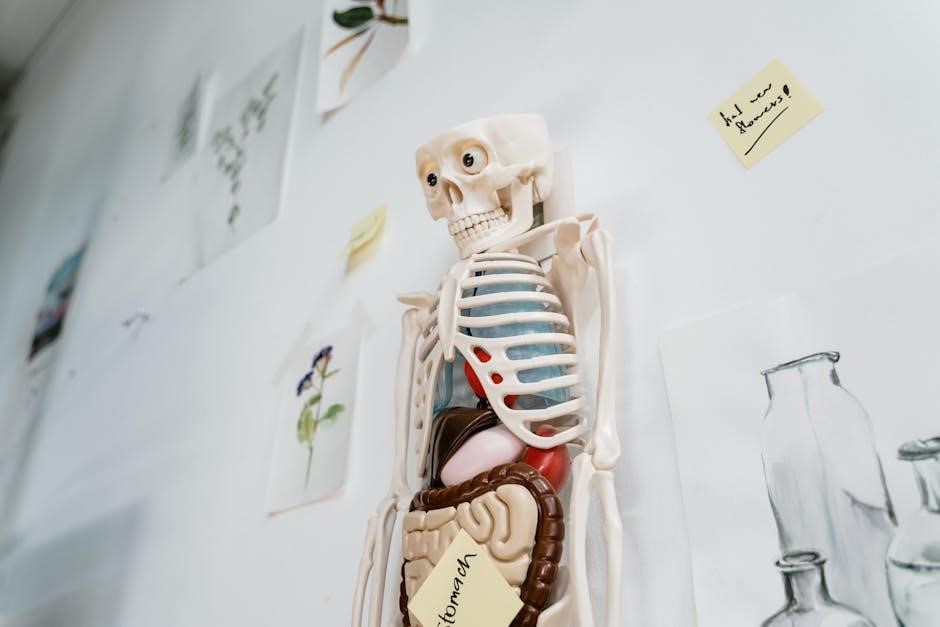
Understanding the hierarchical levels of structural organization is crucial for comprehending the complexity of the human body. This organization begins with the chemical level – atoms and molecules – forming the building blocks of life. These chemicals then combine to create cells, the basic structural and functional units.
Next, similar cells are grouped into tissues, which perform specific functions. Organs, composed of different tissues working together, carry out more complex tasks. Finally, organ systems collaborate to maintain homeostasis and ensure survival.
Mastering this organizational scheme, whether through individualized or paced study, is fundamental. A background in chemistry aids in understanding the chemical level, while diligent study unlocks the subsequent levels.
A. Chemical Level
The chemical level represents the foundational layer of structural organization, encompassing atoms and molecules essential for life. Key components include carbohydrates, lipids, proteins, and nucleic acids, each playing a vital role in bodily functions. Understanding their structure and interactions is paramount.
Atoms, like carbon, hydrogen, and oxygen, combine to form molecules such as water and macromolecules. These molecules dictate cellular processes and overall physiological activity. A solid grasp of basic chemistry is incredibly beneficial here, providing context for understanding these interactions.
Whether studying individually or through a paced curriculum, focusing on molecular structures and their functions will build a strong base for further anatomical and physiological exploration.
B. Cellular Level
Building upon the chemical level, the cellular level introduces the basic unit of life: the cell. Cells are remarkably complex structures, containing organelles that perform specific functions. Studying these organelles – nuclei, mitochondria, ribosomes – is crucial for understanding how cells operate.
Cellular processes like metabolism, growth, and reproduction are fundamental to all life. Understanding cell membrane transport, cellular communication, and the cell cycle are key concepts. A strong foundation in chemistry aids in comprehending these biochemical processes.
Brightspace-delivered courses often utilize visual aids to illustrate cellular structures. Consistent review and practice quizzes will solidify your understanding of this vital level of organization.
C. Tissue Level
The tissue level represents a step up in complexity, as cells combine to form tissues. There are four primary tissue types: epithelial, connective, muscle, and nervous. Each tissue type possesses unique structures and functions vital to organ system operation.
Epithelial tissues cover surfaces, connective tissues support and connect, muscle tissues enable movement, and nervous tissues transmit signals. Understanding how these tissues interact is paramount. Brightspace resources likely include detailed histological images for study.
Focus on recognizing tissue characteristics under a microscope and correlating structure with function. Practice identifying different tissue types and their roles within the body. This level builds directly upon cellular understanding, reinforcing prior knowledge.
III. Basic Life Processes
Fundamental life processes define living organisms, and understanding these is crucial in anatomy and physiology. Key processes include metabolism – all chemical reactions occurring within the body – and responsiveness, the ability to detect and react to changes in the environment.
Movement, encompassing both internal and external changes, is another essential characteristic. These processes aren’t isolated; they’re intricately interconnected. Metabolism provides energy for movement, while responsiveness triggers metabolic adjustments.
Brightspace materials will likely detail these processes with examples. Focus on how organ systems contribute to each process and how disruptions impact overall health. Mastering these basics provides a framework for understanding complex physiological functions.
A. Metabolism
Metabolism encompasses all chemical processes within the body, vital for maintaining life. It’s broadly divided into catabolism – breaking down complex molecules – and anabolism – building complex molecules. These processes require energy, often derived from nutrient processing within the digestive system.
Understanding metabolic pathways, like glycolysis and the Krebs cycle, is essential. Brightspace resources will likely present these pathways visually. Consider how hormonal regulation, via the endocrine system, influences metabolic rates.
Focus on the interplay between metabolism and other life processes, such as movement and responsiveness. Disruptions in metabolism can lead to various diseases, highlighting its importance.
B. Responsiveness
Responsiveness, or irritability, is the ability of an organism to detect and react to changes in its internal or external environment. This crucial life process relies heavily on the nervous system for rapid communication and the endocrine system for slower, sustained responses.
Consider how sensory receptors detect stimuli and transmit signals to the central nervous system; Explore the role of neurotransmitters in facilitating these signals. Understand how the body maintains homeostasis through negative feedback loops, a key aspect of responsiveness.
Relate responsiveness to the body’s ability to maintain a stable internal environment, essential for optimal function and survival.
C. Movement
Movement encompasses all changes in position of the body parts or of the entire body. At the cellular level, this includes movements of substances across membranes. On a macroscopic scale, movement is largely achieved through the coordinated efforts of the muscular and skeletal systems.
Investigate the different types of muscle tissue – skeletal, smooth, and cardiac – and their respective roles in generating movement. Study the structure of joints and how they enable a range of motion.
Consider how the nervous system controls and coordinates these movements, ensuring precision and efficiency. Understand the interplay between muscles, bones, and nerves for fluid locomotion.
IV. Body Systems Overview
Human anatomy reveals a remarkable organization into interconnected body systems. This section provides a foundational overview of each system’s primary functions and how they collaborate to maintain life. Begin with the integumentary system – your body’s protective outer layer.
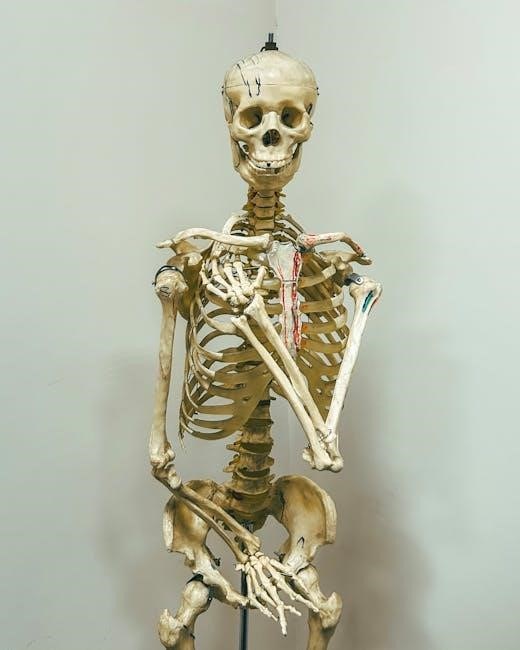
Next, explore the skeletal system, providing support and structure, followed by the muscular system, enabling movement. Understand how these systems work in tandem. Further investigation will cover systems like the nervous, endocrine, cardiovascular, respiratory, digestive, urinary, and reproductive systems.
Focus on the unique contributions of each system and their interdependence for overall bodily homeostasis.
A. Integumentary System
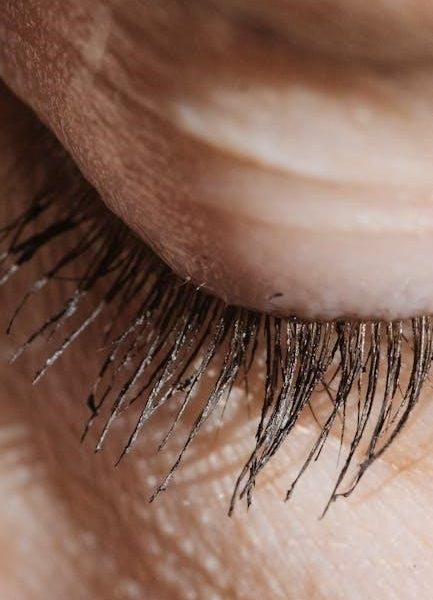
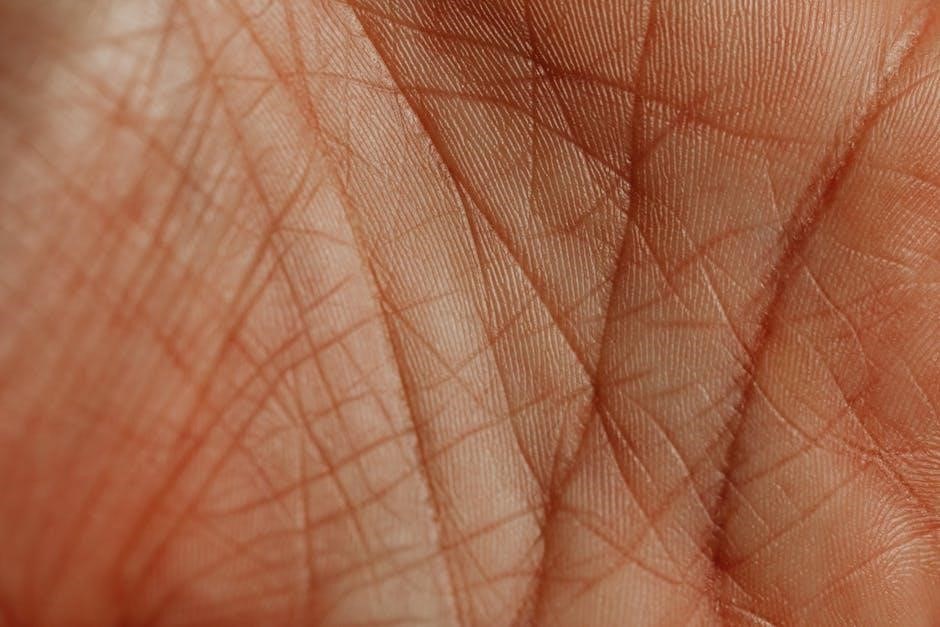
The integumentary system, encompassing skin, hair, and nails, serves as the body’s first line of defense. It’s a dynamic organ system, protecting against external threats like pathogens and UV radiation. Study its layers – epidermis, dermis, and hypodermis – understanding the unique functions of each.
Delve into the roles of specialized structures within the skin, such as sweat glands, sebaceous glands, and sensory receptors. Explore how the integumentary system regulates body temperature through sweating and vasoconstriction/vasodilation.
Consider its role in vitamin D synthesis and its contribution to sensory perception. Mastering this system is crucial for understanding overall body protection and homeostasis.
B. Skeletal System
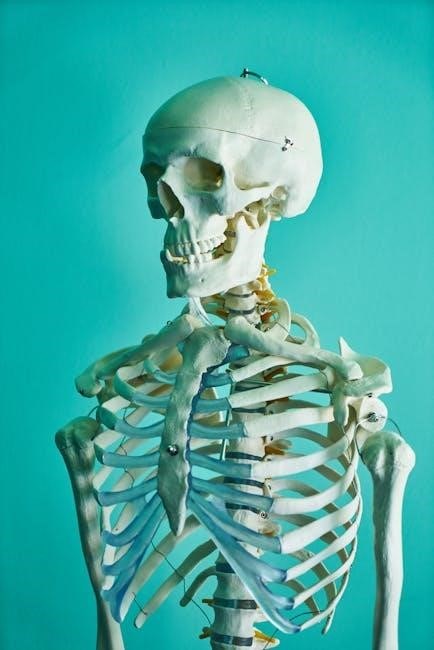
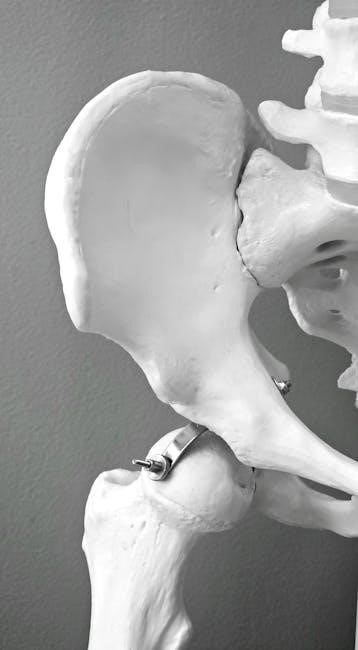
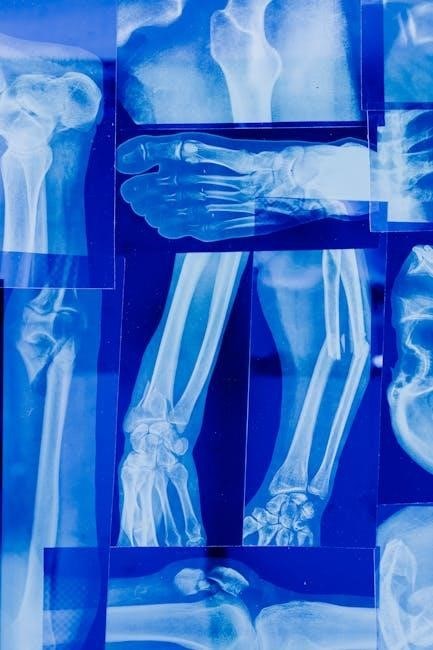
The skeletal system provides the body’s structural framework, supporting soft tissues and enabling movement. Focus on bone classification – long, short, flat, irregular, and sesamoid – and their respective functions. Understand bone anatomy, including compact and spongy bone, and the role of osteoblasts and osteoclasts in bone remodeling.
Study the different types of joints – fibrous, cartilaginous, and synovial – and their associated ranges of motion. Learn to identify major bones and landmarks, utilizing anatomical terminology accurately.
Consider the skeletal system’s role in mineral storage (calcium and phosphorus) and blood cell production within bone marrow. A solid grasp of this system is fundamental to understanding biomechanics.
C. Muscular System
The muscular system is crucial for movement, posture, and heat production. Begin by differentiating between the three muscle types: skeletal, smooth, and cardiac, focusing on their structure and function. Delve into skeletal muscle anatomy – from macrostructure (muscles, fascicles, fibers) to microstructure (myofilaments, sarcomeres).
Understand the sliding filament theory and the role of calcium ions in muscle contraction. Study muscle attachments (origins and insertions) and lever systems. Learn to identify major muscles and their actions, utilizing precise anatomical terminology.
Explore concepts like muscle fatigue and different types of muscle fibers (slow-twitch and fast-twitch) and their implications for athletic performance.
V. Nervous System: Control and Communication
The nervous system orchestrates rapid communication throughout the body, enabling responsiveness and control. Begin by understanding the fundamental units – neurons – and their specialized structures (dendrites, axons, synapses). Explore the principles of action potential generation and synaptic transmission.
Differentiate between the central nervous system (CNS) – brain and spinal cord – and the peripheral nervous system (PNS). Study the organization of the CNS, including brain regions and their functions. Investigate the divisions of the PNS: somatic, autonomic, and enteric.
Focus on sensory receptors, motor pathways, and the role of neurotransmitters in modulating neural activity.
A. Central Nervous System
The Central Nervous System (CNS), comprised of the brain and spinal cord, serves as the body’s primary control center. Begin by meticulously studying brain anatomy: cerebrum, cerebellum, and brainstem, noting their distinct functions – cognition, coordination, and vital life support.
Delve into the cerebral cortex, identifying lobes (frontal, parietal, temporal, occipital) and associated areas responsible for specific sensory, motor, and cognitive processes. Explore the protective structures of the CNS: meninges and cerebrospinal fluid.
Understand the spinal cord’s role in relaying signals and mediating reflexes. Trace neural pathways and comprehend how damage to specific CNS regions manifests as functional deficits.
B. Peripheral Nervous System
The Peripheral Nervous System (PNS) extends beyond the brain and spinal cord, connecting the CNS to limbs and organs. Focus on its two main divisions: the somatic nervous system, controlling voluntary movements via skeletal muscles, and the autonomic nervous system, regulating involuntary functions.
Within the autonomic system, differentiate between the sympathetic (“fight or flight”) and parasympathetic (“rest and digest”) branches, understanding their opposing effects on various organs. Study the structure of peripheral nerves, including their composition of axons and supporting cells.
Explore sensory receptors and their role in detecting stimuli like touch, temperature, and pain. Comprehend how PNS damage leads to specific sensory or motor impairments.
VI. Endocrine System: Hormonal Regulation
The Endocrine System utilizes hormones—chemical messengers—to regulate bodily functions. Master the major endocrine glands: pituitary, thyroid, parathyroid, adrenal, pancreas, ovaries, and testes. Understand each gland’s hormone production and target tissues.
Differentiate between hormone types (steroid, protein, amine) and their mechanisms of action. Study feedback loops (positive and negative) controlling hormone secretion. Explore the interplay between the endocrine and nervous systems, recognizing their coordinated control.
Focus on hormonal imbalances and associated disorders, like diabetes or thyroid dysfunction. Grasp how hormones influence growth, metabolism, reproduction, and stress response.
VII. Cardiovascular System: Transport
The Cardiovascular System is central to transporting oxygen, nutrients, hormones, and waste. Thoroughly learn Heart Anatomy – chambers, valves, major vessels – and trace blood flow through the heart and pulmonary/systemic circuits.
Understand cardiac physiology: conduction system, cardiac cycle, and factors influencing heart rate and stroke volume. Detail Blood Vessels – arteries, veins, capillaries – and their structural differences relating to function.
Explore blood composition (plasma, red blood cells, white blood cells, platelets) and their roles. Study blood pressure regulation, including nervous and hormonal controls. Investigate common cardiovascular diseases and their impact on transport.
A. Heart Anatomy
Mastering Heart Anatomy requires detailed study of its four chambers: right and left atria, and right and left ventricles. Understand the function of each chamber in the circulatory process. Focus on the heart valves – tricuspid, mitral (bicuspid), pulmonary, and aortic – and their roles in preventing backflow.
Identify major blood vessels connected to the heart: superior and inferior vena cava, pulmonary artery, pulmonary veins, and aorta. Trace the pathway of blood flow through these vessels and chambers.
Learn the layers of the heart wall – epicardium, myocardium, and endocardium – and their respective compositions. Familiarize yourself with the heart’s conduction system components.
B. Blood Vessels
Understanding Blood Vessel Structure is crucial; differentiate between arteries, veins, and capillaries. Arteries carry oxygenated blood away from the heart, while veins return deoxygenated blood to the heart. Capillaries facilitate exchange of nutrients and waste.
Study the three layers of vessel walls: tunica intima, tunica media, and tunica adventitia. Note how these layers vary in thickness depending on vessel type and function.
Explore the circulatory pathways: systemic circulation (body) and pulmonary circulation (lungs). Learn about major arteries like the aorta and its branches, and major veins like the vena cavae.
Consider blood pressure regulation and factors influencing blood flow.

VIII. Respiratory System: Gas Exchange
The respiratory system’s primary function is gas exchange – taking in oxygen and expelling carbon dioxide. Begin by studying the anatomy: nasal cavity, pharynx, larynx, trachea, bronchi, and alveoli. Understand how air travels through these structures.
Focus on the mechanics of breathing: inhalation and exhalation, involving the diaphragm and intercostal muscles. Explore lung volumes and capacities – tidal volume, vital capacity, and residual volume.
Delve into gas exchange at the alveolar-capillary interface. Understand partial pressures and how oxygen and carbon dioxide diffuse across the respiratory membrane.
Consider regulation of respiration and factors affecting breathing rate.
IX. Digestive System: Nutrient Processing
The digestive system breaks down food into absorbable nutrients. Start with the anatomy: mouth, esophagus, stomach, small intestine (duodenum, jejunum, ileum), large intestine, rectum, and anus; Understand the accessory organs – liver, gallbladder, and pancreas.
Explore the mechanical and chemical processes of digestion. Focus on enzymes involved in carbohydrate, protein, and lipid breakdown. Trace the path of food and absorption sites for each nutrient.
Delve into the roles of the liver in detoxification and bile production, and the pancreas in enzyme secretion and blood sugar regulation.
Consider the importance of gut microbiota and digestive hormones.
X. Urinary System: Waste Removal
The urinary system filters blood and eliminates waste as urine. Begin by mastering the anatomy: kidneys, ureters, urinary bladder, and urethra. Understand the nephron’s structure – glomerulus, Bowman’s capsule, tubules – and its function in filtration, reabsorption, and secretion.
Explore the processes of glomerular filtration, tubular reabsorption (glucose, amino acids, water), and tubular secretion (waste products, ions).
Study hormonal regulation of kidney function, including ADH (antidiuretic hormone) and aldosterone.
Consider fluid balance, electrolyte balance, and blood pressure regulation as key functions.
Understand common urinary disorders and their impact on homeostasis.
XI. Reproductive System: Continuation of Species
The reproductive system ensures species survival through gamete production and fetal development. Begin with male anatomy: testes, epididymis, vas deferens, seminal vesicles, prostate, and penis. Understand spermatogenesis and testosterone’s role.
Then, study female anatomy: ovaries, fallopian tubes, uterus, vagina, and mammary glands. Explore oogenesis, the menstrual cycle, and hormonal control (estrogen, progesterone).
Trace fertilization, implantation, and embryonic/fetal development.
Understand the stages of labor and delivery.
Consider sexually transmitted infections and reproductive health issues.

Focus on hormonal interactions and feedback loops regulating reproductive processes.
XII. Study Techniques for Anatomy and Physiology
Mastering anatomy and physiology demands effective study strategies. Flashcards and mnemonics are invaluable for memorizing structures and functions; create sets for bones, muscles, and physiological pathways.
Practice quizzes and exams solidify understanding and identify knowledge gaps. Utilize online resources, textbook questions, and create your own assessments.
Employ spaced repetition – review material at increasing intervals – to enhance long-term retention.
Draw diagrams and label structures to visualize anatomical relationships.
Teach the material to others; explaining concepts reinforces your own learning.
Form study groups for collaborative learning and peer support.
A. Flashcards and Mnemonics
Flashcards are essential for memorizing anatomical structures, physiological processes, and key terms. Create cards with the term on one side and the definition/function on the other.
Mnemonics – memory aids – are incredibly helpful. Develop acronyms, rhymes, or visual associations to remember complex sequences or lists. For example, use a phrase to recall cranial nerves in order.
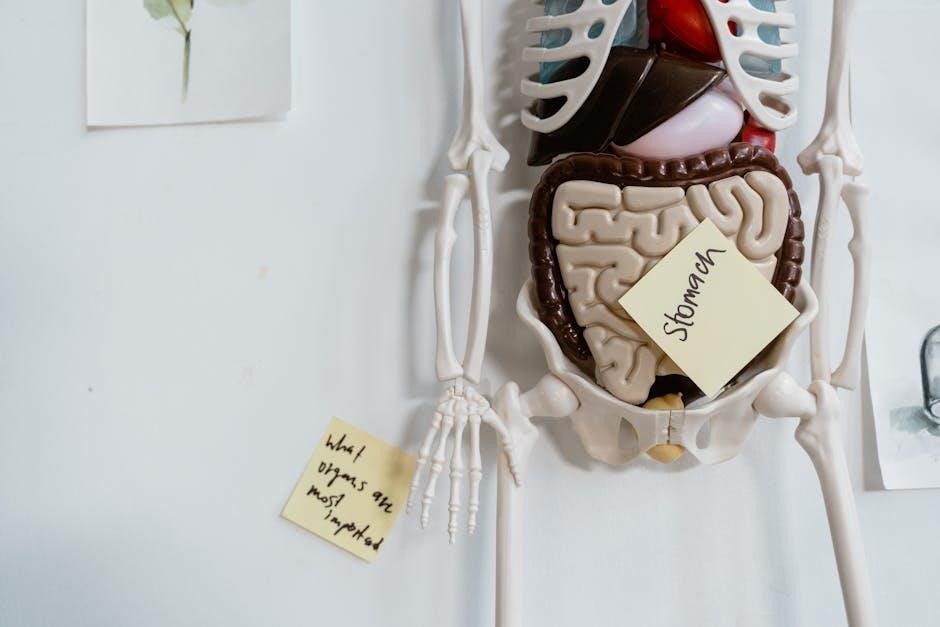
Categorize flashcards by body system for focused study. Regularly review cards, utilizing spaced repetition for optimal retention.
Digital flashcard apps offer convenience and tracking features.
Don’t just memorize; understand the underlying concepts to create meaningful mnemonics.
B. Practice Quizzes and Exams
Regularly testing yourself is crucial for solidifying knowledge. Utilize practice quizzes and exams throughout your study process, not just before major assessments.
Focus on application – can you apply your knowledge to solve problems or explain physiological mechanisms? Quizzes should mirror the format and difficulty of actual exams.
Review incorrect answers thoroughly, identifying areas needing further study. Analyze why you made mistakes, not just what the correct answer is.
Many online resources offer anatomy and physiology practice questions.
Simulate exam conditions – time yourself and avoid distractions – to build test-taking stamina and reduce anxiety.