
Specialized bikes, renowned for their performance, demand precise sizing for optimal control and comfort. Understanding Specialized’s approach, considering geometry, and utilizing their detailed size charts are crucial for a rewarding riding experience.
Why Proper MTB Size Matters
Selecting the correct mountain bike size profoundly impacts performance, comfort, and injury prevention. An ill-fitting bike compromises handling, efficiency, and overall enjoyment on the trails. A frame that’s too large hinders control, making it difficult to maneuver effectively, especially on technical terrain. Conversely, a frame that’s too small restricts movement, leading to an uncomfortable and cramped riding position.
Proper sizing ensures optimal weight distribution, allowing for better balance and responsiveness. This translates to increased confidence when tackling challenging obstacles and navigating varied landscapes. Furthermore, a correctly sized bike minimizes strain on joints and muscles, reducing the risk of fatigue and potential injuries. Specialized emphasizes this, offering detailed sizing guidance to help riders find their perfect fit, maximizing their potential and ensuring a safe, enjoyable experience on every ride.
Understanding Geometry Differences in MTBs
Mountain bike geometry significantly influences handling characteristics, varying greatly between disciplines and even within a brand like Specialized. Modern MTBs are shifting towards longer reach measurements, slacker head tube angles, and steeper seat tube angles. Longer reach provides more stability at speed and enhances confidence on descents. Slacker head tube angles further contribute to downhill stability, while steeper seat tube angles improve climbing efficiency.
Specialized tailors geometry to each bike category. For example, their cross-country bikes prioritize efficiency and responsiveness with shorter travel and more upright positions; Trail bikes strike a balance between climbing and descending capabilities, featuring moderate geometry adjustments. Enduro and downhill bikes prioritize descending performance with long travel, slack angles, and robust builds. Understanding these nuances is crucial when selecting a bike, as geometry dictates how the bike will feel and perform on the trails.

Key Measurements for MTB Sizing
Specialized utilizes reach, stack, top tube length, seat tube length, and chainstay length to define bike fit. These measurements, combined with rider data, ensure optimal performance and comfort.
Reach: The Primary Sizing Metric
Reach, measured horizontally from the bottom bracket to the head tube, is now considered the most important measurement for modern mountain bike sizing, and Specialized prioritizes it. Unlike traditional top tube length, reach accounts for the bike’s overall front-center relationship, directly impacting handling and stability.
A longer reach generally provides more stability at speed and confidence on technical terrain, while a shorter reach offers increased maneuverability. Specialized size charts emphasize reach as the primary factor, recommending a size based on your individual reach measurement. To determine your ideal reach, consider your riding style and preferences. Aggressive riders often prefer a longer reach, while those prioritizing agility may opt for a shorter one.
Specialized provides detailed reach measurements for each bike model and size on their website, allowing riders to accurately compare and select the appropriate frame. Utilizing reach ensures a more comfortable and controlled riding experience, maximizing performance on the trails.
Stack: Understanding Front End Height
Stack, measured vertically from the bottom bracket to the head tube, defines the height of the front end of the bike. While reach dictates front-center distance, stack influences the overall riding position and comfort, and Specialized considers it crucial for fit. A higher stack provides a more upright and comfortable position, reducing strain on the back and shoulders. Conversely, a lower stack promotes a more aggressive, aerodynamic posture, favored by racers and aggressive trail riders.
Specialized utilizes stack measurements in conjunction with reach to provide a comprehensive sizing recommendation. Riders with limited flexibility may benefit from a bike with a higher stack, while those with greater flexibility can comfortably ride a bike with a lower stack.

Consider your riding style and physical attributes when evaluating stack. Specialized’s size charts include stack measurements for each size, enabling riders to fine-tune their fit and optimize their riding experience. Adjustments can also be made with stem spacers and different stem angles.
Top Tube Length: A Traditional Measurement
Top tube length, historically a primary sizing reference, measures the horizontal distance from the head tube to the seat tube. While modern sizing prioritizes reach, top tube length remains a useful indicator, particularly when comparing bikes with differing geometry. Specialized provides top tube lengths in their size charts, allowing riders to assess the overall frame size relative to their torso length.
However, it’s crucial to remember that top tube length can be misleading. Sloping top tubes, common in modern mountain bike designs, make direct comparisons difficult. Reach offers a more accurate representation of the bike’s front-center relationship.
Specialized emphasizes using reach as the primary sizing metric, but top tube length can serve as a secondary confirmation. Riders accustomed to traditional sizing methods may find it helpful to consider top tube length alongside reach and stack to ensure a comfortable and efficient fit. It’s a piece of the puzzle, not the whole picture.
Seat Tube Length: Influencing Standover Height
Seat tube length, measured from the center of the bottom bracket to the top of the seat tube, primarily influences standover height – the clearance between the top tube and the rider’s crotch when standing over the bike. Specialized lists seat tube lengths in their size guides, aiding riders in determining appropriate frame size for comfortable and safe maneuvering.
Adequate standover height is crucial, especially for aggressive trail riding and technical terrain. Insufficient clearance can lead to discomfort and potential injury during dismounts or unexpected movements. However, excessively high standover height can hinder control.
Specialized designs often incorporate sloping seat tubes, reducing standover height without compromising reach or overall frame geometry. When selecting a size, consider your inseam length and desired riding style. While not the primary sizing factor, seat tube length is vital for ensuring a secure and confident riding position.
Chainstay Length: Impact on Handling
Chainstay length, the distance between the bottom bracket and the rear wheel axle, significantly impacts a Specialized mountain bike’s handling characteristics. Shorter chainstays generally result in a more playful and nimble feel, enhancing maneuverability on tight trails and facilitating easier rear-wheel lifts. Conversely, longer chainstays provide increased stability at higher speeds and improved climbing traction.
Specialized strategically adjusts chainstay lengths across their different bike models to suit their intended purpose. For example, enduro bikes often feature slightly longer chainstays for stability during descents, while trail bikes strike a balance between agility and stability.
When reviewing a Specialized size guide, consider how chainstay length complements your riding style and terrain preferences. Riders prioritizing playful handling may prefer shorter chainstays, while those seeking stability and climbing prowess might opt for longer ones. It’s a subtle but crucial element of overall bike fit.

MTB Size Charts by Brand
Specialized provides comprehensive sizing charts, varying by model (e.g., Stumpjumper, Enduro). These charts correlate rider height and inseam to recommended frame sizes for optimal fit and performance.
Trek MTB Size Guide
While focusing on Specialized, understanding competitor sizing offers valuable context. Trek, a major MTB manufacturer, utilizes a similar sizing philosophy centered around reach and stack measurements. However, direct cross-referencing isn’t advisable due to subtle geometry variations between brands.
Trek’s size charts typically categorize riders based on height, providing a starting point for frame selection. They also incorporate inseam measurements for more precise fitting, particularly for standover clearance. Trek often offers bikes in multiple sizes (XS, S, M, L, XL), catering to a wider range of body types.
Compared to Specialized, Trek might exhibit slightly different reach lengths for equivalent frame sizes. Therefore, it’s crucial to consult Trek’s official size guide for their specific models and avoid assuming a direct correlation with Specialized sizing. A professional bike fit remains the best method for determining the ideal Trek MTB size.
Specialized employs a comprehensive sizing system prioritizing reach as the primary metric for determining frame size. Their size charts, available on the official website, categorize riders based on height and inseam, offering a more personalized recommendation than height alone. Specialized distinguishes between different MTB disciplines – cross-country, trail, enduro, and downhill – each with unique geometry and sizing nuances.
Specialized emphasizes that their size charts are starting points. They strongly advocate for demoing bikes or utilizing their Body Geometry Fit (BGF) service for a precise fit. Stack height, influencing handlebar position, is also prominently featured in their sizing guidance.
Notably, Specialized often utilizes a “S-Works” sizing philosophy, leaning towards longer reach measurements for enhanced stability and control, particularly in trail and enduro bikes. Always refer to the specific model’s size chart, as geometry varies significantly across their range.
Giant MTB Size Guide
Giant, a leading MTB manufacturer, utilizes a sizing approach that blends traditional top tube length considerations with modern reach-based measurements. Their size charts, readily accessible on their website, typically categorize riders by height, providing a recommended frame size range. However, Giant also acknowledges the importance of inseam for more accurate fitting, particularly for riders between sizes.
Giant’s geometry varies significantly across their MTB lines – from cross-country speed machines to aggressive downhill rigs. Therefore, consulting the specific model’s size chart is paramount. They often present sizing in both centimeters and inches, catering to a global audience.
Giant encourages riders to test ride bikes whenever possible to confirm fit. They also emphasize the role of component adjustments – stem length and seatpost height – in fine-tuning the riding experience. Considering these factors alongside the chart recommendations ensures optimal performance and comfort.
Santa Cruz MTB Size Guide
Santa Cruz bikes are celebrated for their progressive geometry and high-performance capabilities, making accurate sizing critical. Their size guide, available on the official Santa Cruz website, primarily focuses on rider height, but strongly recommends considering reach as the key determinant for fit. They provide detailed size charts for each model, acknowledging variations between trail, enduro, and downhill bikes.
Santa Cruz emphasizes that their sizing tends to run slightly larger than some other brands. Therefore, riders often find themselves between sizes, with the recommendation leaning towards the smaller size for more nimble handling and the larger size for increased stability at speed;
They also highlight the importance of professional bike fit, especially for riders new to the brand or transitioning between disciplines. Component adjustments, like stem length and handlebar width, play a vital role in optimizing the fit and maximizing the bike’s potential.

Sizing Based on Rider Height & Inseam
Specialized utilizes height and inseam measurements as initial guides, but emphasizes reach as the primary sizing factor. Accurate inseam data refines frame selection for optimal standover clearance.
Using Height as a Starting Point
Specialized, like many manufacturers, provides size charts based on rider height as a convenient initial guide. However, it’s crucial to recognize this is merely a starting point, not a definitive answer. These charts categorize riders into size ranges – Small, Medium, Large, etc. – based on their overall height. For example, a rider between 5’8” and 5’10” might initially be directed towards a Medium frame;
The inherent limitation of height-based sizing is that it doesn’t account for individual body proportions, particularly leg length (inseam) and arm length. Two riders of the same height can have significantly different inseam measurements, impacting their ideal frame size. Therefore, relying solely on height can lead to an ill-fitting bike, compromising comfort, control, and efficiency.
Specialized’s size charts are readily available on their website and through authorized dealers. They often present a range of heights corresponding to each frame size, acknowledging the variability within each category. Always cross-reference this initial height-based suggestion with your inseam measurement for a more accurate assessment.
The Importance of Inseam Measurement
Unlike height, which provides a general overview, inseam directly correlates to standover height and optimal saddle position on a Specialized mountain bike. Accurate inseam measurement is paramount for selecting the correct frame size and ensuring a comfortable and efficient riding posture. To measure, stand with your back against a wall, wearing cycling shoes, and measure from the ground to your crotch.
This measurement dictates the necessary standover clearance – the space between the top tube and your crotch when standing over the bike. Insufficient clearance poses a safety risk, while excessive clearance can hinder maneuverability. Specialized utilizes inseam data to refine size recommendations, particularly for riders who fall between traditional size categories.
Furthermore, inseam influences saddle height, a critical factor in pedaling efficiency and preventing injuries. A properly adjusted saddle height, determined in relation to inseam, maximizes power transfer and minimizes strain on knees and hips. Don’t underestimate the value of a precise inseam measurement when navigating Specialized’s sizing options.
Converting Inseam to Approximate Frame Size
Once you have your accurate inseam measurement, converting it to a Specialized mountain bike frame size involves referencing their specific size charts. These charts, available on the Specialized website, correlate inseam ranges to recommended frame sizes for each bike model – differing between trail, enduro, and cross-country bikes.
As a general guideline, multiply your inseam (in inches) by 0.65 to obtain an approximate frame size in inches. However, this is a starting point; Specialized’s geometry varies significantly between models. Always prioritize their official size charts over generalized calculations.
Remember that Specialized often lists frame sizes in Small, Medium, Large, etc., which correspond to specific inseam ranges. Consider your riding style and preferences; a longer reach might suit aggressive riders, while a shorter reach offers more maneuverability. Utilize Specialized’s online bike finder tool for personalized recommendations based on your inseam and intended use.

Different MTB Disciplines & Sizing
Specialized tailors sizing to discipline; XC bikes favor compactness, trail bikes balance agility and stability, enduro prioritizes downhill prowess, and DH demands maximum control.
Cross-Country (XC) Bike Sizing
Specialized XC bikes, designed for efficiency and speed, generally favor a more compact and aggressive sizing approach. Riders often prefer a size that positions them slightly more forward, enhancing climbing ability and responsiveness. When consulting a Specialized XC size chart, consider that their sizing tends to run slightly larger compared to some other brands.
Reach is a critical measurement; a shorter reach promotes quicker handling, ideal for tight, technical courses. Stack height is typically lower on XC bikes, encouraging a more aerodynamic and aggressive riding posture. Pay close attention to the effective top tube length, ensuring a comfortable yet performance-oriented extension. Standover height is also important, allowing for maneuverability during technical sections.
Specialized often provides specific sizing recommendations based on rider height and inseam, but it’s crucial to also consider your riding style and preferences. If you’re between sizes, opting for the smaller size is generally recommended for XC, prioritizing agility and efficiency. A professional bike fit can further refine your setup for optimal performance.
Trail Bike Sizing
Specialized trail bikes strike a balance between climbing efficiency and descending capability, influencing their sizing philosophy. Generally, trail bike sizing leans towards a more comfortable and stable fit compared to XC bikes. When referencing a Specialized trail bike size guide, remember that a slightly longer reach is often preferred for increased stability at speed and confidence on technical terrain.
Reach is paramount; a longer reach provides more stability downhill, while still allowing for sufficient maneuverability. Stack height is typically moderate, offering a balanced riding position. Consider the effective top tube length to ensure a comfortable and controlled extension. Standover height should allow for ample clearance during technical maneuvers.
Specialized’s sizing recommendations based on height and inseam are a good starting point, but individual preferences matter. If you’re between sizes, leaning towards the larger size can enhance stability, particularly for more aggressive riders. A professional bike fit is invaluable for fine-tuning the setup to your specific body geometry and riding style.
Enduro Bike Sizing
Specialized enduro bikes prioritize downhill performance and stability, demanding a sizing approach that reflects this focus. Compared to trail bikes, enduro sizing typically favors a longer reach and slacker head tube angle for increased confidence on steep and technical descents. Consulting the Specialized enduro bike size guide is essential, but understanding the nuances is key.
Reach becomes even more critical on enduro bikes; a longer reach enhances stability at high speeds and through challenging terrain. Stack height is generally moderate to provide a comfortable yet aggressive riding position. Pay close attention to the effective top tube length to ensure adequate space for maneuvering.
When choosing between sizes, many riders opt for the larger size to maximize stability. However, consider your height and inseam carefully. A professional bike fit is highly recommended to optimize the setup for your body and riding style, ensuring you can confidently tackle demanding enduro trails.
Downhill (DH) Bike Sizing
Specialized downhill (DH) bikes are built for one purpose: descending at speed. Sizing these bikes prioritizes stability and control above all else. Expect significantly longer reach measurements and slacker head tube angles compared to other MTB disciplines. The Specialized DH size guide is a starting point, but individual preferences and riding style heavily influence the ideal fit.
Reach is paramount on a DH bike, providing the leverage needed to handle massive jumps and steep, technical sections. Stack height is generally moderate, allowing for an aggressive, centered riding position. A longer wheelbase contributes to stability at high speeds.
Due to the extreme nature of DH riding, many riders prefer a slightly larger frame size for maximum stability. However, ensure you can comfortably reach the handlebars and maintain control. Professional bike fitting is highly recommended to dial in the setup and optimize performance on the downhill course.
Fine-Tuning Your Fit

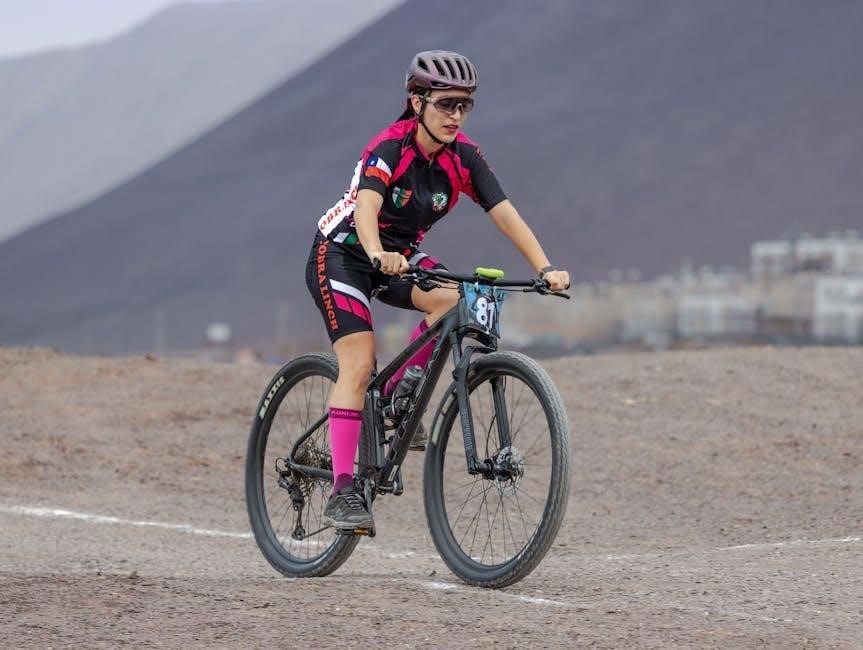
Specialized bikes benefit from adjustments. Stem length, seatpost height, and handlebar width are key areas to personalize your ride for optimal comfort and performance.
Stem Length Adjustment
Stem length significantly impacts reach and handling on your Specialized mountain bike. A shorter stem quickens steering response, ideal for technical trails and tighter corners, while a longer stem provides more stability at higher speeds and on smoother terrain.
When adjusting, consider your riding style and the bike’s intended use. If you feel cramped or find steering twitchy, try a slightly longer stem. Conversely, if you feel stretched out or lack control, a shorter stem might be beneficial.
Specialized often recommends stem lengths based on frame size, but individual preferences vary. Small adjustments – 10-20mm – can make a noticeable difference. Ensure proper overlap with the fork steerer tube and tighten all bolts to the manufacturer’s specified torque. A professional bike fit can pinpoint the optimal stem length for your body and riding style, maximizing comfort and efficiency on your Specialized MTB.
Seatpost Height Adjustment
Correct seatpost height is paramount for efficient pedaling and preventing injuries on your Specialized mountain bike. The ideal height allows for a slight bend in your knee at the bottom of the pedal stroke. Too low, and you lose power; too high, and you risk knee strain and instability.
A common starting point is to measure your inseam and use that as a guide, but individual biomechanics play a crucial role. Specialized bikes often feature dropper posts, enabling on-the-fly adjustments for varied terrain. Lowering the seatpost enhances maneuverability on descents and technical sections.
Fine-tuning involves observing your pedaling technique and feeling for optimal comfort and power transfer. Small adjustments – a few millimeters at a time – can make a significant difference. Ensure the seatpost clamp is securely tightened to the manufacturer’s torque specifications; A professional bike fit can precisely determine your optimal seatpost height for maximum performance and comfort.
Handlebar Width Considerations
Handlebar width significantly impacts control, stability, and comfort on your Specialized mountain bike. Wider handlebars generally offer increased leverage and stability, particularly beneficial on technical descents and challenging terrain. However, excessively wide bars can feel cumbersome on tighter trails and during climbing.
Specialized offers handlebars in various widths, and selecting the right size depends on your riding style, height, and shoulder width. A good starting point is to match the handlebar width to your shoulder width. Riders prioritizing aggressive descending may prefer wider bars, while those focused on cross-country riding might opt for narrower options.
Experimentation is key. Small adjustments – 10-20mm increments – can reveal noticeable differences in handling. Consider your arm position and ensure a comfortable reach without feeling overly stretched or cramped. Proper handlebar width contributes to a balanced and confident riding experience on your Specialized bike.