This highly-regarded guide, published in 1997, quickly became a favorite among mushroom enthusiasts. It’s celebrated for its comprehensive coverage and detailed species accounts, offering a valuable resource for identification.
Overview of the Guide
The National Audubon Society Field Guide to North American Mushrooms, a cornerstone for mycological exploration, presents a detailed and accessible resource for identifying fungi across the continent. Published by Chanticleer Press Inc., this 498-page guide distinguishes itself through a user-friendly format and extensive photographic coverage. It aims to empower both amateur and experienced mushroom hunters with the knowledge needed for accurate species recognition.
The guide’s strength lies in its combination of descriptive text and visual aids, making it a practical companion for fieldwork. It’s consistently praised as a top choice for mushroom identification, offering a wealth of information in a portable format.
Historical Context and Publication Details (1997)
Published in 1997 by Chanticleer Press Inc., the guide emerged during a growing interest in mycology and foraging. It represented a significant effort to consolidate existing knowledge about North American mushrooms into a single, accessible volume. The second printing further solidified its position as a leading field guide. This timing coincided with increased awareness of both the culinary and ecological importance of fungi.
Prior to this, mushroom identification relied heavily on regional guides or more specialized texts. The Audubon Society guide aimed to bridge this gap, offering broad coverage and user-friendly features.
Authorship: Gary H. Lincoff
Gary H. Lincoff, a renowned mycologist, served as the sole author of this influential field guide. His expertise and passion for fungi are evident throughout the book’s detailed descriptions and insightful commentary. Lincoff brought a wealth of practical experience to the project, having spent years studying and documenting mushrooms in the field.
He skillfully combined scientific accuracy with accessibility, making the guide valuable for both amateur enthusiasts and experienced mycologists. Lincoff’s dedication to accurate identification and safe foraging practices is a hallmark of his work.
Key Features and Organization
The guide excels with its dichotomous key, detailed species accounts, and extensive photographic coverage, all focused on North American mushrooms for easy identification.
Identification Keys: Dichotomous Key System
A cornerstone of this guide is its utilization of a dichotomous key system. This method presents users with a series of paired choices, progressively narrowing down possibilities based on observable characteristics. Each step offers two mutually exclusive statements; selecting the appropriate one directs the user to the next relevant pair.
This process continues until a specific mushroom species is identified. The key is designed to be accessible to both beginners and experienced mycologists, though careful observation and attention to detail are crucial for accurate results. It’s a systematic approach, removing guesswork and promoting confident identification within the diverse world of fungi.
Species Accounts: Detailed Descriptions
Beyond the identification keys, the guide excels in its comprehensive species accounts. Each entry provides a thorough description encompassing key morphological features – cap shape, color, texture, gill attachment, stem characteristics, and spore print color. These accounts aren’t merely lists of traits; they offer nuanced details aiding precise identification.
Information extends to habitat preferences, seasonality, and potential look-alikes. Lincoff’s writing style is accessible yet scientifically sound, making complex information understandable. The detailed descriptions, coupled with accompanying photographs, empower users to confidently differentiate between similar species, crucial for safe foraging and accurate study.
Photographic Coverage: Quality and Quantity
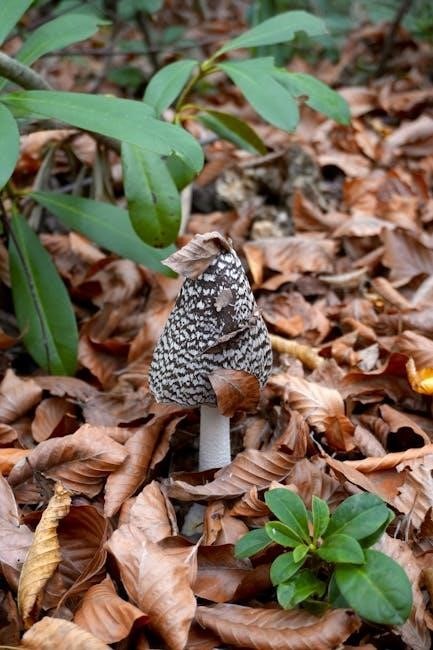
The guide’s visual component is a significant strength. It features a substantial number of high-quality photographs, showcasing mushrooms in their natural habitats and highlighting key identification features. These aren’t simply aesthetic images; they are carefully selected to illustrate variations within species and differentiate them from similar forms.
Compared to some field guides, the photographic coverage is notably extensive, aiding visual learners. While not every species has multiple images, the provided photographs are generally clear and well-lit, enhancing the descriptive text. Users often praise the photographs as a crucial aid in accurate mushroom identification in the field.
Geographic Scope: North American Focus
As the title explicitly states, this field guide concentrates specifically on mushrooms found throughout North America. This focused approach allows for a greater depth of detail regarding species prevalent in the United States, Canada, and Mexico, rather than attempting a global overview. The guide doesn’t delve into Eurasian or other continental fungi with the same thoroughness.
This regional concentration is beneficial for North American mushroom hunters, providing relevant information for local ecosystems. While some widespread species may occur elsewhere, the guide’s primary utility lies in identifying fungi within the specified geographic boundaries, making it a practical tool for regional exploration.
Mushroom Identification Techniques
The guide emphasizes crucial techniques like spore printing, careful examination of cap features, gill/pore analysis, and assessing stalk characteristics for accurate species determination.
Spore Prints: Collection and Analysis
The Audubon guide dedicates significant attention to spore prints, a fundamental identification method. It details how to properly collect spores by placing the mushroom cap, gills down, on both dark and light surfaces – typically paper.
Analyzing the resulting spore deposit’s color is critical, as it’s a key characteristic for many species. The guide explains how variations in spore color, ranging from white to black and even shades of pink or brown, aid in narrowing down possibilities.
Furthermore, it instructs on observing spore print texture, though color remains the primary focus for beginners utilizing this essential technique for mushroom identification.
Cap Characteristics: Shape, Color, and Texture
The Audubon guide emphasizes meticulous observation of cap features for accurate identification. It details a wide array of cap shapes, from convex and flat to umbonate and depressed, providing clear visual examples.
Color descriptions are extensive, noting not just the primary hue but also variations, zones, and any changes with age or bruising. Texture is equally important; the guide distinguishes between smooth, scaly, sticky, and dry surfaces.
These characteristics, combined with size measurements, form a crucial first step in utilizing the guide’s identification keys effectively, allowing for preliminary sorting of specimens.
Gill/Pore Examination: Attachment and Spacing
The Audubon guide stresses the importance of carefully examining the underside of the cap, whether it bears gills or pores. Gill attachment is categorized as free, adnate, decurrent, or sinuate – each described with illustrative images.
Spacing between gills – close, crowded, distant – is another key diagnostic feature. For mushrooms with pores, the guide details pore size, shape, and color changes.
These features, alongside gill/pore color and any bruising reactions, significantly narrow down potential species matches when using the guide’s dichotomous key system for precise identification.
Stalk/Stem Features: Presence of Rings or Volvas
The Audubon guide emphasizes detailed stalk examination, focusing on the presence or absence of rings and volvas – crucial for identifying potentially toxic species, particularly Amanitas. A ring, or annulus, represents the remnants of the partial veil.
A volva, a cup-like structure at the base, is a key indicator of Amanita mushrooms, many of which are deadly poisonous. The guide provides clear illustrations and descriptions to differentiate these features.
Stalk texture, color, and the presence of any bruising are also noted, aiding in accurate species determination alongside cap and gill characteristics.

Edible and Poisonous Mushrooms
This section carefully profiles common edible species while highlighting dangerous look-alikes. It stresses caution and utilizes data from the AAPCC regarding poisoning incidents.
Common Edible Species Profiles
The guide presents detailed profiles of frequently sought-after edible mushrooms, including popular choices like morels (Morchella), chanterelles (Cantharellus), and various boletes (Boletus genus). Each profile meticulously outlines key identification features, encompassing cap shape, color variations, gill or pore characteristics, and stem attributes. Crucially, it details the typical habitats where these species are found, alongside seasonal fruiting periods;
Furthermore, the descriptions emphasize distinguishing marks to avoid confusion with potentially toxic counterparts. The book provides essential information for responsible foraging, ensuring accurate identification before consumption, and promoting a safe and enjoyable mushroom-hunting experience.
Dangerous Look-Alikes: Avoiding Poisoning
A critical component of the guide focuses on highlighting dangerous look-alikes for edible species, particularly within the Amanita genus, known for containing deadly toxins. Detailed comparisons are provided, emphasizing subtle yet vital differences in morphology – cap features, gill attachment, presence of a volva or ring – that distinguish poisonous varieties.
The guide stresses the importance of absolute certainty in identification, referencing data from the American Association of Poison Control Centers (AAPCC) regarding poisoning cases. It underscores that even experienced foragers can be misled, reinforcing the need for caution and cross-referencing with multiple sources.
The Role of the American Association of Poison Control Centers (AAPCC) Data
The National Audubon Society Field Guide incorporates data from the American Association of Poison Control Centers (AAPCC) to illustrate the real-world consequences of misidentification. This data, specifically from the National Poison Data System (like the 2004 report cited), highlights the frequency and severity of mushroom poisoning incidents across North America.
The inclusion of AAPCC statistics serves as a stark reminder of the potential dangers, emphasizing that even seemingly harmless mushrooms can cause severe illness or even fatality. This information reinforces the guide’s cautionary approach to foraging and identification.
Symptoms of Mushroom Poisoning
The National Audubon Society Field Guide stresses the importance of recognizing symptoms of mushroom poisoning, as rapid intervention is crucial. Symptoms vary greatly depending on the species consumed, ranging from mild gastrointestinal distress – nausea, vomiting, and diarrhea – to severe organ damage, including liver and kidney failure.
The guide highlights that the AAPCC data reveals cases with fatal outcomes, emphasizing the potential for serious consequences. Neurological symptoms, such as hallucinations or seizures, can also occur. Prompt medical attention and identification of the ingested mushroom are vital for effective treatment.

Specific Mushroom Groups Covered
The guide meticulously details key genera like Boletes (Boletus), Chanterelles (Cantharellus), and Morels (Morchella), while providing a particularly cautionary section on the toxic Amanita species.
Boletes (Genus Boletus)
The National Audubon Society Field Guide dedicates significant attention to the genus Boletus, renowned for including some of the most prized edible mushrooms. Detailed descriptions aid in distinguishing between various bolete species, focusing on pore surface characteristics – color changes upon bruising are crucial identifiers. The guide emphasizes the importance of careful examination, as several boletes can cause gastrointestinal upset.
Photographs showcase variations in cap color, stem patterns, and pore morphology. It highlights key features for separating edible varieties from those with potentially harmful effects, stressing the need for positive identification before consumption. The guide’s coverage assists both novice and experienced foragers in navigating this diverse group.
Chanterelles (Genus Cantharellus)
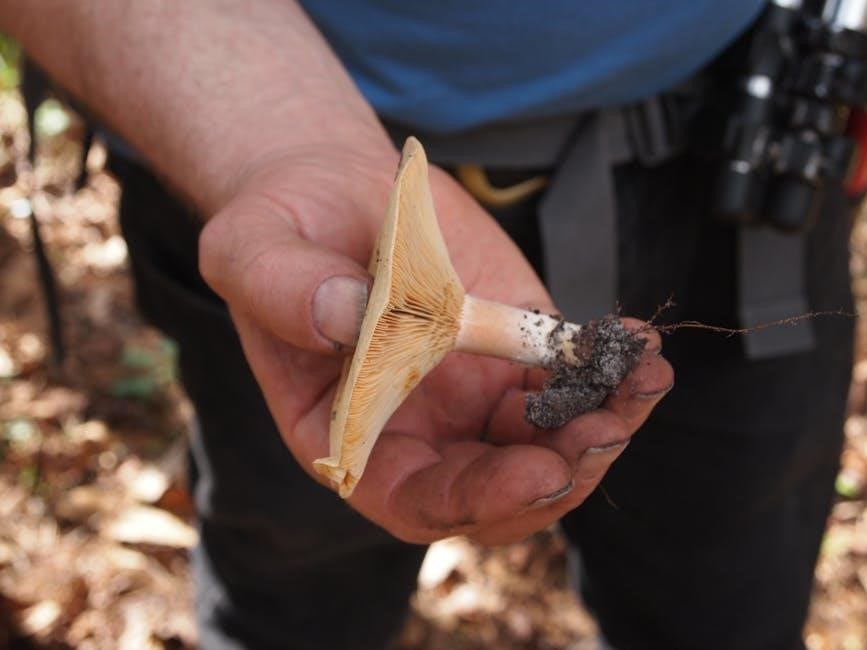
The guide thoroughly covers Cantharellus, showcasing these popular and often-sought-after mushrooms. It details distinguishing features like the false gills – blunt, forked ridges running down the stem – which differentiate them from true gills. The National Audubon Society Field Guide emphasizes the apricot-like fragrance as a key identifier for many chanterelle species.
Photographs illustrate variations in color, from pale yellow to vibrant orange, and habitat preferences. The guide also addresses potential look-alikes, cautioning against misidentification. It provides clear descriptions to help users confidently locate and identify these delicious fungi in the field.
Morels (Genus Morchella)
The guide dedicates significant attention to Morchella, prized edible mushrooms known for their distinctive honeycomb-like caps. The National Audubon Society Field Guide highlights the importance of understanding habitat – often near elm, ash, and apple trees – and seasonal timing for successful foraging. It details the variations in color, from blonde to black morels, and cap structure.
Crucially, the guide emphasizes careful identification, as false morels exist. Detailed descriptions and photographic comparisons aid in distinguishing true morels from potentially harmful look-alikes, ensuring safe consumption for mushroom hunters.
Amanitas: A Focus on Toxicity
The Amanita genus receives prominent, cautionary coverage within the guide, reflecting its high proportion of deadly species. The National Audubon Society Field Guide meticulously details characteristics like the presence of a volva (a sac-like structure at the base) and a ring on the stalk – key identifiers for this group;
It stresses the critical importance of avoiding Amanita mushrooms unless positively identified by an expert, linking to the American Association of Poison Control Centers (AAPCC) data regarding fatalities. Detailed descriptions and photographs aim to prevent accidental poisoning, emphasizing responsible foraging practices.
Using the Guide in the Field
Successful foraging relies on understanding habitat, seasonal timing, and responsible practices. This guide aids identification, but expert confirmation is always recommended for safety.
Habitat Information: Where to Find Mushrooms
The National Audubon Society Field Guide emphasizes that mushroom distribution is heavily influenced by environmental factors. Different species thrive in specific habitats – forests (coniferous, deciduous, mixed), grasslands, and even disturbed areas. Understanding tree associations is crucial; many mushrooms form mycorrhizal relationships with particular trees.
Moisture levels are paramount, with many fruiting after rainfall. Elevation and geographic location also play significant roles. The guide implicitly encourages careful observation of the surrounding environment to narrow down potential identifications, noting that knowing where a mushroom grows is often as important as its physical characteristics.
Seasonal Considerations: Timing of Fruiting
The Audubon guide highlights that mushroom fruiting is strongly tied to seasonal changes and weather patterns. Spring brings forth morels, while fall is prime time for boletes and many other species. Rainfall, temperature fluctuations, and even humidity levels significantly impact fruiting schedules.
The guide implicitly suggests that consistent monitoring of favored habitats throughout the year is key. Fruiting times can vary based on location and specific weather conditions within a season. Observing these patterns over time enhances foraging success and identification skills.
Responsible Foraging Practices
The Audubon guide, while focused on identification, implicitly encourages responsible foraging. Sustainable harvesting is crucial for maintaining mushroom populations. Foragers should avoid over-collecting, leaving plenty of specimens to reproduce and spread spores.
Respecting private property and obtaining necessary permissions is paramount. Minimizing habitat disturbance by carefully extracting mushrooms and avoiding trampling surrounding vegetation is also vital. Accurate identification is key – never consume a mushroom unless 100% certain of its edibility, referencing multiple sources.
Comparison with Other Field Guides
Compared to some guides, the Audubon Society Field Guide boasts extensive photographic coverage, aiding visual identification. Some users prefer its organizational structure and detailed descriptions over alternatives. However, others note that newer guides incorporate recent taxonomic updates absent in the 1997 edition.
Concise field guides may lack the depth found within the Audubon volume, while more specialized texts focus on specific regions or mushroom types. The Audubon guide strikes a balance, offering broad coverage and accessibility, though supplemental resources are recommended for current taxonomic information.
Limitations and Updates
Published in 1997, taxonomic changes since then necessitate supplemental resources for accurate identification. Weatherproofing could be improved for consistent field use, impacting longevity.
Taxonomic Changes Since 1997
Since the guide’s publication, significant advancements in mycological research, particularly utilizing DNA analysis, have led to substantial revisions in fungal taxonomy. Many species classifications presented in the 1997 edition have been updated, renamed, or even reclassified into entirely different genera.
For example, several Boletus species have undergone re-evaluation, impacting their identification. These changes mean that relying solely on the original guide can sometimes lead to misidentification. Staying current with these evolving classifications requires consulting more recent mycological literature and online databases to ensure accurate species determination.
The Need for Supplemental Resources
While comprehensive for its time, the 1997 National Audubon Society Field Guide to North American Mushrooms benefits from supplementation with current resources. Taxonomic revisions and newly discovered species necessitate consulting updated field guides and online databases.
Mycological societies and websites offer valuable, peer-reviewed information; Utilizing multiple sources enhances identification accuracy, especially given the complexities of fungal classification. Furthermore, regional mushroom guides can provide more specific details relevant to particular geographic areas, complementing the broader scope of the Audubon guide.
Weatherproof Material Considerations
A noted drawback of the 1997 National Audubon Society Field Guide to North American Mushrooms is its susceptibility to damage from moisture. Compared to newer field guides, the original’s material isn’t as weatherproof, posing challenges during typical field use.
Mushrooms are often found in damp environments, and a quickly deteriorating guide hinders identification. Users frequently recommend protective covers or laminated pages to mitigate this issue. Newer editions or alternative guides prioritize durable, water-resistant materials for enhanced longevity in outdoor conditions.
Resources and Further Learning
Expand your mycology knowledge through online identification websites, local mycological societies, and additional field guides for continued learning and accurate species recognition.
Online Mushroom Identification Websites
Numerous online resources complement the National Audubon Society Field Guide, offering expanded databases and community expertise. Mushroom Observer (mushroomobserver.org) allows users to submit observations for identification assistance from knowledgeable mycologists. iNaturalist (inaturalist.org) provides a broader platform for documenting biodiversity, including fungi, with image recognition tools and community verification.
These platforms facilitate learning and verification, but remember that online identifications should always be cross-referenced with reliable field guides and, when in doubt regarding edibility, consult with an expert. Always prioritize safety and accurate identification before consuming any wild mushroom.
Mycological Societies and Clubs
Joining a local mycological society or mushroom club significantly enhances learning beyond the National Audubon Society Field Guide. These groups organize forays – guided mushroom hunts – providing hands-on experience with expert guidance. They often host workshops on identification, cultivation, and responsible foraging practices.
The North American Mycological Association (NAMA, namyco.org) offers a directory of affiliated clubs across the continent. Participating in these communities fosters a deeper understanding of mycology and provides valuable networking opportunities with fellow enthusiasts and professionals.
Additional Recommended Field Guides
While the Audubon guide is excellent, supplementing with other resources broadens identification skills. “All That the Rain Promises and More…” by David Arora is a popular choice, known for its accessible language and detailed descriptions. Another valuable resource is “Mushrooms Demystified” by David Arora, offering a more comprehensive, though complex, approach.
Consider regional guides focusing on specific areas for increased accuracy. These additional field guides, used alongside the National Audubon Society Field Guide, create a robust toolkit for any aspiring mycologist.