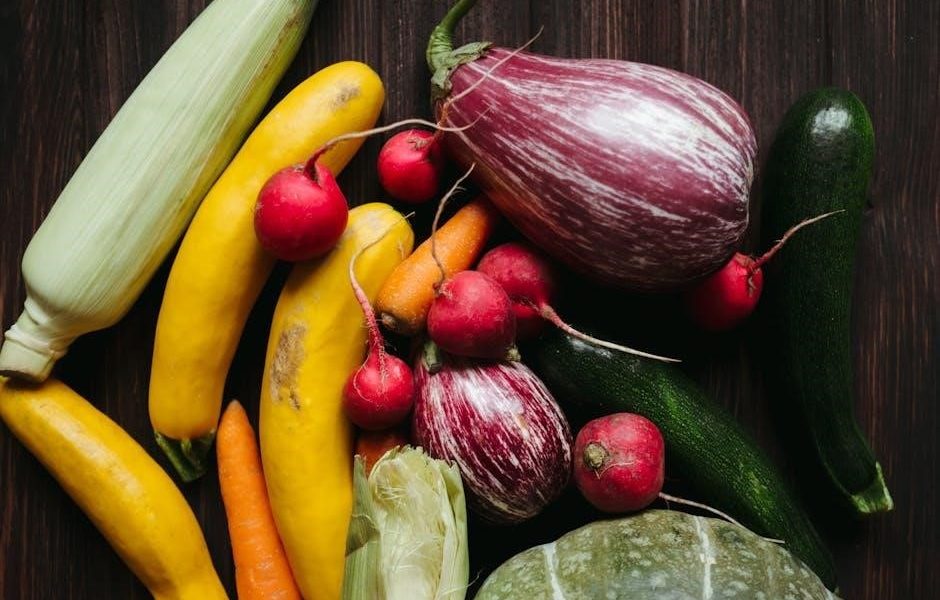
Embark on a transformative journey with this 30-day plan, designed to simplify your transition to a vibrant, plant-focused lifestyle, offering flavorful recipes.
What is a Plant-Based Diet?
A plant-based diet prioritizes foods derived from plants – this includes fruits, vegetables, legumes, nuts, seeds, and whole grains. It’s not necessarily about strict veganism or eliminating all animal products, though many choose to do so. Instead, it emphasizes making plant foods the foundation of your meals, reducing reliance on animal-derived ingredients.
This approach can range from flexitarianism, where you occasionally enjoy meat, to fully vegan lifestyles. The core principle is centering your plate around nutrient-rich plant sources. A 30-day plant-based plan, like the one we’re exploring, is an excellent way to experiment with this style of eating and discover its benefits. It’s about abundance – adding more plants, rather than solely focusing on restriction. Fibre plays a crucial role, offering gentle, lasting healing.
Benefits of a 30-Day Plant-Based Challenge
Embarking on a 30-day plant-based challenge can yield significant health improvements. Many experience safe and sustainable weight loss, as plant foods are naturally lower in calories and higher in fiber, promoting satiety. Beyond weight management, a plant-based approach supports heart health, potentially lowering cholesterol levels – the Portfolio Diet demonstrates this effectively.
Increased energy levels are frequently reported, stemming from the abundance of vitamins, minerals, and antioxidants in plant foods. Improved digestion is another common benefit, thanks to the high fiber content. This challenge isn’t just about physical health; it can also positively impact your relationship with food, encouraging mindful eating and culinary exploration. Individuals, like Dough Schmidt, have even reversed health conditions and reduced medication reliance through dietary changes;
Who is This Plan For?
This 30-day plant-based diet plan is ideal for anyone curious about exploring the benefits of a plant-forward lifestyle. It’s particularly well-suited for those seeking a gentle introduction, avoiding drastic overnight changes. Whether you’re a seasoned vegan or simply aiming to incorporate more plant-based meals, this plan offers adaptable guidance.
It’s beneficial for individuals wanting to improve their overall health, manage their weight, or address specific concerns like cholesterol levels. The plan’s structure makes it accessible even amidst busy schedules and holiday temptations. Oprah’s own journey demonstrates its appeal to those seeking a manageable health challenge. It’s also suitable for groups – over 1,000 teachers in New York state participated in a similar 10-day challenge – fostering support and motivation.
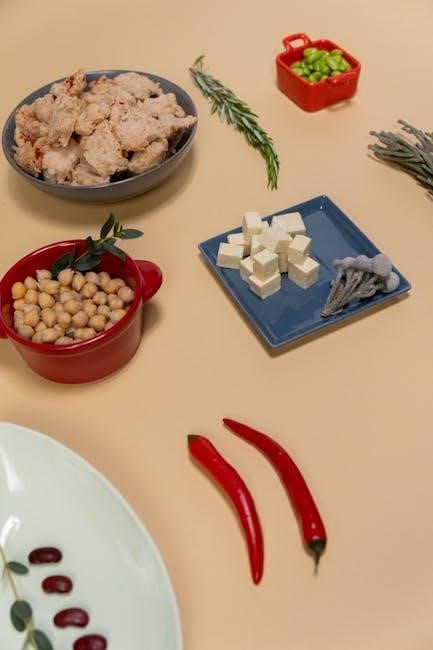
Phase 1: The First 7 Days ⎯ Transition & Familiarization
Begin your plant-based journey with simple swaps, easing into the diet and familiarizing yourself with new flavors and ingredients during this initial week.
Week 1 Meal Planning Focus: Simple Swaps
This first week centers around making easy, achievable substitutions to gradually shift towards a plant-based approach. Don’t aim for perfection; focus on replacing animal products with plant-based alternatives in your familiar meals. For example, swap dairy milk for almond or soy milk in your cereal and coffee. Replace meat in tacos with seasoned lentils or black beans.
Experiment with plant-based yogurts and cheeses, understanding that textures and flavors may differ. Begin incorporating more fruits and vegetables into every meal – add spinach to your smoothies, or a side salad to your lunch. The goal is to build momentum and discover how delicious plant-based eating can be without feeling overwhelmed.
Focus on whole, unprocessed foods as much as possible, and remember that even small changes can make a significant difference. This week is about building a foundation for long-term success, not restrictive dieting.
Breakfast Ideas for Week 1
Start your day with energy-boosting plant-based breakfasts! Oatmeal made with almond milk, topped with berries and a sprinkle of nuts, is a fantastic option. Try a tofu scramble with spinach and tomatoes for a savory start, seasoned with turmeric for an extra health boost. Smoothies are quick and easy – blend frozen fruit, plant-based milk, and a handful of greens.
Whole-wheat toast with avocado and everything bagel seasoning provides healthy fats and sustained energy. Chia seed pudding, made with plant-based milk and topped with fruit, is a delicious make-ahead option. Don’t forget a simple bowl of fruit with a side of plant-based yogurt!
These breakfasts are designed to be simple, satisfying, and set you up for a successful day of plant-based eating.
Lunch Ideas for Week 1
Keep lunchtime light and nourishing with these easy plant-based options. Large salads featuring leafy greens, colorful vegetables, and a plant-based protein source like chickpeas or lentils are ideal. A hearty vegetable soup paired with a whole-grain roll provides warmth and satisfaction. Consider a lentil loaf sandwich on whole-wheat bread with hummus and sprouts.
Quick and convenient options include quinoa bowls with roasted vegetables and a tahini dressing. Wraps filled with black beans, avocado, and salsa are another excellent choice. Leftovers from dinner also make fantastic lunches!
Focus on incorporating plenty of fiber and nutrients to keep you feeling full and energized throughout the afternoon.
Dinner Ideas for Week 1
Kickstart your plant-based evenings with simple, satisfying dinners. A lentil shepherd’s pie, topped with mashed sweet potatoes, offers comfort and nutrition. Black bean burgers on whole-wheat buns, served with a side salad, are a flavorful option. Explore vegetable stir-fries with tofu or tempeh, using a low-sodium soy sauce or tamari.
Consider a hearty vegetable curry with brown rice, packed with spices and flavor. Pasta primavera, loaded with seasonal vegetables, is a classic choice. Sheet-pan dinners, roasting vegetables and chickpeas together, minimize cleanup.
Remember to prioritize whole, unprocessed foods and enjoy your meals mindfully.
Snack Options for Week 1
Maintain energy levels between meals with wholesome, plant-based snacks. A handful of almonds or walnuts provides healthy fats and protein. Sliced apples with peanut butter offer a satisfying combination of sweetness and crunch. Carrot sticks and hummus are a classic, nutritious choice.
Explore edamame, steamed or roasted, for a protein-rich snack. A small bowl of berries provides antioxidants and natural sweetness. Popcorn (air-popped, lightly seasoned) can satisfy a salty craving. Consider a small smoothie made with fruits, vegetables, and plant-based milk.
Focus on snacks that are minimally processed and contribute to your overall nutritional goals.
Phase 2: Days 8-14 ⎯ Expanding Your Plant-Based Repertoire
Now is the time to broaden your culinary horizons, introducing exciting new plant-based recipes and flavors into your daily meal planning routine.
Week 2 Meal Planning Focus: Introducing New Recipes
This week marks a delightful expansion of your plant-based culinary skills. Building upon the simple swaps of Week 1, the focus shifts towards actively incorporating a wider variety of plant-based recipes into your daily meals; Don’t be afraid to experiment with different cuisines and flavor profiles – explore Indian dals, Mediterranean salads, or vibrant Asian stir-fries.
The goal isn’t just about what you’re eating, but also about discovering the incredible diversity and deliciousness that plant-based cooking offers. Seek out recipes that utilize whole grains, legumes, and a rainbow of vegetables. This week is about building confidence in the kitchen and finding meals you genuinely enjoy, ensuring long-term adherence to this lifestyle. Remember, a sustainable diet is one you look forward to!
Breakfast Ideas for Week 2
Kickstart your days with nourishing and flavorful plant-based breakfasts! Beyond simple oatmeal, explore options like tofu scrambles with spinach and tomatoes, providing a protein-rich start. Chia seed pudding, made with plant-based milk and topped with berries and nuts, offers a delightful and convenient option. Consider whole-wheat toast with avocado and a sprinkle of everything bagel seasoning for a savory choice.
Smoothies are also fantastic – blend fruits, leafy greens, plant-based protein powder, and a liquid base for a quick and nutritious meal. Don’t forget about breakfast bowls featuring quinoa or brown rice topped with fruit and nut butter. Variety is key to staying motivated, so rotate through these ideas to keep your mornings exciting and satisfying!
Lunch Ideas for Week 2
Elevate your midday meals with vibrant and satisfying plant-based lunches! Large salads featuring a variety of leafy greens, colorful vegetables, and a plant-based protein source like chickpeas or lentils are excellent choices. Explore hearty soups, such as lentil soup or black bean soup, paired with a whole-grain roll. Wraps filled with hummus, veggies, and quinoa provide a portable and convenient option.
Leftovers from dinner also make fantastic lunches! Consider plant-based burgers on whole-wheat buns with a side salad, or a colorful vegetable stir-fry. Don’t be afraid to experiment with different flavor combinations and textures to keep your lunches interesting and enjoyable. Remember to prioritize fiber-rich ingredients for sustained energy throughout the afternoon.
Dinner Ideas for Week 2
Expand your culinary horizons with exciting plant-based dinner options this week! Hearty vegetable curries served with brown rice offer a flavorful and nutritious meal. Explore lentil shepherd’s pie, a comforting classic reimagined with plant-based ingredients. Black bean burgers on whole-wheat buns, topped with avocado and salsa, provide a satisfying and protein-packed dinner.
Consider a vibrant roasted vegetable medley with quinoa and a tahini dressing. Tofu stir-fries with a variety of colorful vegetables and a flavorful sauce are quick and easy to prepare. Don’t hesitate to incorporate new recipes and experiment with different spices to discover your favorite plant-based dinners. Prioritize whole, unprocessed foods for optimal health benefits.
Incorporating More Fiber in Week 2
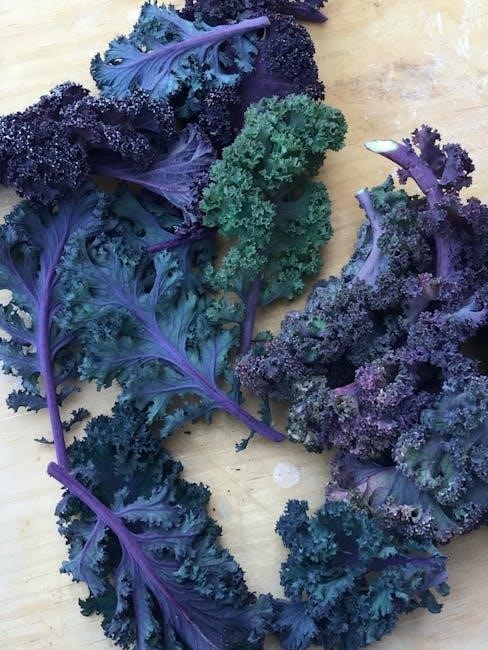
Fiber is crucial for digestive health, hormone balance, sustained energy, and clearer skin – a true hero of a plant-based diet! This week, consciously increase your fiber intake. Add a tablespoon of chia seeds or flaxseed to your breakfast smoothie or oatmeal. Include plenty of beans and lentils in your lunches and dinners; they’re fiber powerhouses.
Choose whole grains like quinoa and brown rice over refined grains. Snack on fruits and vegetables with edible skins, like apples, pears, and carrots. Remember to drink plenty of water as you increase your fiber intake to prevent discomfort. Gentle, lasting healing comes from prioritizing plant foods rich in this essential nutrient.
Phase 3: Days 15-21 ⎯ Deepening the Commitment
This week focuses on exploring diverse plant-based protein sources, solidifying your commitment, and understanding the benefits of a protein-rich, plant-forward diet.
Week 3 Meal Planning Focus: Exploring Plant-Based Proteins
As you enter Week 3, the emphasis shifts towards maximizing protein intake from plant sources. Many individuals worry about adequate protein on a plant-based diet, but a diverse range of options exists! This week, we’ll move beyond simply including beans and lentils, and delve into tofu, tempeh, edamame, and various plant-based protein powders.
Consider incorporating these into familiar recipes – crumbled tempeh in tacos, tofu scrambles for breakfast, or a protein-boosted smoothie. Explore different preparations of these proteins to discover your preferences. Don’t forget about whole grains like quinoa and amaranth, which also contribute significantly to your daily protein needs.
This week’s meal plan will showcase recipes that highlight these protein powerhouses, ensuring you feel satisfied and energized throughout the day. We’ll also touch upon combining different plant proteins to create complete protein profiles, mirroring the amino acid composition of animal proteins.
Breakfast Ideas for Week 3
Kickstart your day with protein-packed breakfasts this week! Try a Tofu Scramble with spinach and nutritional yeast for a cheesy flavor – a fantastic way to begin. Overnight Oats with chia seeds, plant-based milk, and berries offer a convenient and nutritious option. Blend a protein smoothie featuring plant-based protein powder, banana, and almond butter for a quick boost;
For a heartier meal, consider a Tempeh Bacon Breakfast Burrito with black beans and avocado. Quinoa porridge, sweetened with maple syrup and topped with fruit, provides sustained energy. Don’t underestimate the power of a simple whole-wheat toast with avocado and everything bagel seasoning!
Experiment with different plant-based yogurts topped with granola and fruit. These breakfasts are designed to keep you full and focused, supporting your plant-based journey throughout the day.
Lunch Ideas for Week 3
Fuel your afternoons with satisfying and protein-rich plant-based lunches! A hearty Lentil Soup paired with a side salad is a comforting and nutritious choice. Build a colorful Quinoa Salad with chickpeas, cucumber, tomatoes, and a lemon-tahini dressing for a vibrant meal. Enjoy a Black Bean Burger on a whole-wheat bun with avocado and sprouts – a classic reimagined.
Wrap up a delicious Chickpea Salad Sandwich on whole-grain bread, adding lettuce and tomato. Explore a flavorful Buddha Bowl with roasted sweet potatoes, kale, and a peanut sauce. A large mixed green salad with added tofu or tempeh provides a light yet filling option.
These lunches emphasize plant-based proteins and fiber, keeping you energized and satisfied until dinner. Remember to incorporate a variety of colors and textures for optimal nutrition!
Dinner Ideas for Week 3
Elevate your evenings with these delicious and protein-packed plant-based dinner options! A hearty Vegetable Curry with brown rice is both flavorful and nourishing. Prepare a Lentil Shepherd’s Pie topped with mashed sweet potatoes for a comforting classic. Enjoy a Black Bean and Corn Enchilada Casserole, layered with plant-based cheese and a vibrant sauce.
Try a Tofu Stir-fry with a medley of colorful vegetables and a savory sauce, served over quinoa. Explore a hearty Mushroom Stroganoff with whole-wheat pasta. A flavorful Chickpea and Spinach Tagine with couscous offers exotic flavors.
These dinners focus on plant-based proteins and complex carbohydrates, providing sustained energy and promoting overall well-being. Don’t forget to add a side salad for extra nutrients!
The Portfolio Diet & Cholesterol Reduction
Discover the power of the Portfolio Diet, a plant-based eating plan specifically designed to actively lower cholesterol levels. This approach emphasizes four key components: soy foods, plant sterols, viscous fiber, and nuts. Research indicates it can be remarkably effective, potentially rivaling the impact of some cholesterol-lowering medications.
The diet’s success lies in its synergistic effect – these foods work together to inhibit cholesterol absorption and production. Incorporate tofu, tempeh, and soy milk into your meals. Add foods rich in soluble fiber like oats, barley, apples, and citrus fruits. Include a daily handful of nuts and consider plant sterol-enriched products.
This isn’t a quick fix, but a sustainable lifestyle change for heart health!
Phase 4: Days 22-30 ౼ Sustaining the Lifestyle
Focus on long-term habits, navigating social events and holidays with mindful plant-based choices, ensuring continued success and enjoyment of your new lifestyle.
Week 4 Meal Planning Focus: Long-Term Sustainability
This final week emphasizes building habits that extend far beyond the 30 days. The goal isn’t just weight loss or a temporary cleanse, but a lasting lifestyle shift. Focus on incorporating plant-based meals into your routine seamlessly, acknowledging that perfection isn’t necessary. Allow for flexibility, understanding that occasional deviations won’t derail your progress.
Meal planning should now feel intuitive. Continue to explore new recipes, but prioritize those you genuinely enjoy and can realistically prepare regularly. Consider batch cooking on weekends to save time during the week. Think about how plant-based eating fits into your social life – can you suggest plant-based restaurants or bring a dish to share at gatherings? December can be challenging, but planning ahead can help you stay on track.
Remember, sustainability is about finding a balance that works for you. It’s about nourishing your body and the planet, one delicious plant-based meal at a time.
Breakfast Ideas for Week 4
Continue enjoying the breakfasts you’ve discovered throughout the challenge, but now focus on variety and efficiency for long-term adherence. Overnight oats with berries and seeds remain a quick and nutritious option. Explore tofu scrambles with spinach and mushrooms for a protein-packed start. Smoothies are still excellent – blend frozen fruit, plant-based milk, and a scoop of protein powder.
Consider making a large batch of quinoa or brown rice at the beginning of the week and incorporating it into breakfast bowls with fruit and nuts. Whole-wheat toast with avocado and everything bagel seasoning is a satisfying and simple choice. Don’t forget the power of a hearty bowl of oatmeal, customized with your favorite toppings like cinnamon, apples, and walnuts.
Experiment with plant-based yogurt parfaits layered with granola and fresh fruit for a delightful and balanced breakfast.
Lunch Ideas for Week 4
Maintain momentum with lunches that are both satisfying and easy to prepare, crucial for sustaining your plant-based lifestyle. Large salads featuring a variety of colorful vegetables, legumes (chickpeas, lentils), and a light vinaigrette are excellent choices. Leftovers from dinner are your friend – repurpose roasted vegetables and grains into a quick and healthy lunch.
Explore plant-based wraps filled with hummus, avocado, sprouts, and your favorite veggies. Soup and sandwich combinations, using whole-grain bread and plant-based fillings, provide a comforting and balanced meal. Quinoa bowls with black beans, corn, salsa, and avocado offer a flavorful and protein-rich option.
Prepare a batch of lentil soup or chili at the beginning of the week for quick and easy lunches throughout the week.
Dinner Ideas for Week 4
Conclude your 30-day challenge with dinners that showcase the versatility and deliciousness of plant-based cuisine. Hearty vegetable curries served with brown rice or quinoa are both flavorful and nutritious. Lentil shepherd’s pie, topped with mashed sweet potatoes, offers a comforting and satisfying meal.
Experiment with plant-based pasta dishes, using whole-wheat pasta and a vibrant tomato-based sauce loaded with vegetables. Black bean burgers on whole-grain buns, served with a side salad, provide a protein-packed and satisfying option. Stir-fries with tofu or tempeh and a variety of colorful vegetables are quick and easy to prepare.
Consider sheet-pan dinners – roast vegetables and chickpeas with herbs and spices for a simple and flavorful meal.
Plant-Based Eating During the Holidays
Navigating holiday gatherings while maintaining a plant-based diet requires planning and mindful choices. Don’t feel pressured to completely overhaul traditions, but focus on contributing a delicious plant-based dish to share – a vibrant salad, a hearty lentil soup, or a festive roasted vegetable platter.
Communicate with hosts beforehand to inquire about plant-based options or offer to bring a dish. When faced with limited choices, prioritize vegetables, fruits, and whole grains. Be mindful of hidden animal products in sauces and dressings.
Remember, it’s okay to indulge in moderation, but prioritize nourishing your body with wholesome, plant-based foods. Focus on enjoying the company and festivities rather than fixating on food restrictions.
Beyond 30 Days
Continue building upon your success with ongoing support, addressing challenges, and embracing a sustainable, long-term plant-based lifestyle for lasting health benefits.
Maintaining Your Plant-Based Momentum
Successfully completing the 30-day challenge is a fantastic achievement, but sustaining this lifestyle requires ongoing effort and mindful strategies. Don’t view it as a restrictive diet, but rather as a positive shift towards nourishing your body with wholesome, plant-derived foods. Regularly explore new recipes to prevent mealtime monotony and keep your palate excited.
Prioritize meal planning each week, ensuring you have readily available ingredients for quick and healthy meals. Connect with a supportive community – online forums or local groups – to share experiences, recipes, and encouragement. Remember that occasional indulgences don’t derail progress; focus on balance and mindful eating.
Be prepared for social situations by planning ahead or bringing a plant-based dish to share. Most importantly, listen to your body and adjust your approach as needed, celebrating every step towards a healthier, more sustainable lifestyle.
Resources for Continued Support
To further empower your plant-based journey, numerous resources are readily available. Online platforms offer a wealth of recipes, meal planning tools, and educational materials. Websites dedicated to plant-based nutrition provide evidence-based information and expert advice. Consider exploring cookbooks focused on plant-forward cuisine to expand your culinary repertoire.
Social media groups and online forums connect you with a supportive community of like-minded individuals, fostering shared experiences and encouragement. Registered dietitians specializing in plant-based nutrition can provide personalized guidance and address specific dietary needs.
Local health food stores and farmers’ markets offer access to fresh, seasonal produce and plant-based products. Don’t hesitate to utilize these resources to deepen your knowledge, refine your skills, and maintain long-term success on your plant-based path.
Addressing Common Challenges
Transitioning to a plant-based diet can present initial hurdles. Cravings for familiar foods are normal; plan satisfying plant-based alternatives. Social situations may require mindful navigation – communicate your dietary choices respectfully and offer to bring a dish to share. Nutrient deficiencies, particularly B12, require attention through supplementation or fortified foods.
Time constraints can be overcome with batch cooking and meal prepping. Feeling overwhelmed? Start small, focusing on one meal at a time. Digestive discomfort, common initially due to increased fiber, can be mitigated by gradually increasing intake and staying hydrated.
Remember, consistency is key. Don’t view occasional slip-ups as failures, but as learning opportunities. Seek support from online communities or a registered dietitian to navigate challenges effectively and stay motivated.
Weight Loss and Plant-Based Diets
A well-planned plant-based diet often supports healthy weight management. Plant foods are naturally lower in calories and higher in fiber, promoting satiety and reducing overall calorie intake. This dietary approach can also improve insulin sensitivity, aiding in fat metabolism.
However, weight loss isn’t guaranteed; portion control and mindful eating remain crucial. Focusing solely on processed vegan foods won’t yield the same results as a whole-food, plant-based approach. Prioritize nutrient-dense options like fruits, vegetables, legumes, and whole grains.
Sustainable weight loss is a gradual process. Combine this diet with regular physical activity for optimal results. Remember, the primary goal is health, and weight loss is often a beneficial side effect.