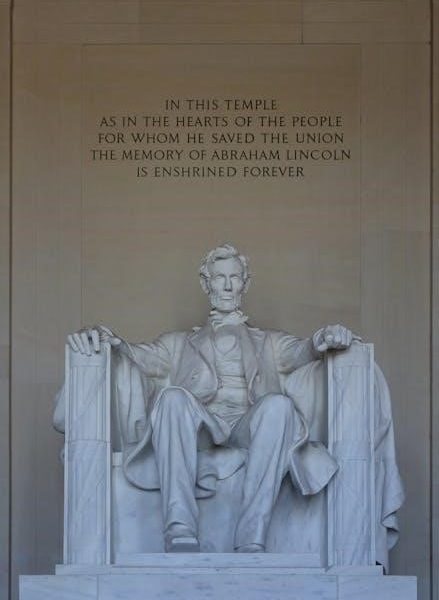
Lincoln Parents Guide: A Comprehensive Overview
Navigating the cinematic landscape for family entertainment requires informed decisions. This guide offers parents a detailed exploration of “Abraham Lincoln: Vampire Hunter,”
assessing its suitability for various age groups, considering content like violence, mature themes, and language.
Resources like Common Sense Media provide valuable parent reviews and insights, aiding in responsible viewing choices.
Understanding the Film’s Content
“Abraham Lincoln: Vampire Hunter” presents a highly stylized and fantastical reimagining of American history, blending biographical elements with supernatural action. The core narrative revolves around President Lincoln’s secret life as a vampire hunter, driven by a personal tragedy to eradicate the undead threat plaguing the nation. This isn’t a traditional historical drama; it’s an action-horror film with significant departures from factual events.
Parents should be aware that the film heavily features graphic violence, not solely directed at vampires. Expect intense fight sequences, blood, and depictions of brutal combat. The film’s tone is often dark and brooding, leaning into the gothic horror aesthetic. While the premise might seem absurd, the film treats its subject matter with a degree of seriousness, potentially unsettling for younger or more sensitive viewers.
The narrative explores themes of revenge, justice, and the burden of leadership, but these are presented within the context of a fantastical, violent world. Understanding this blend of genres and tones is crucial for parents assessing the film’s appropriateness for their children. It’s a baroque level of intensity, as some critics have noted, and deviates significantly from typical historical portrayals.
Rating and Age Appropriateness
“Abraham Lincoln: Vampire Hunter” received an R rating from the Motion Picture Association, primarily due to its intense violence and pervasive bloody imagery. This rating signifies that the film is generally unsuitable for children under 17 and requires accompanying parental guidance. Common Sense Media suggests an age appropriateness of 16+, acknowledging the mature themes and graphic content.
The film’s violence isn’t merely action-oriented; it’s often brutal and visceral, featuring detailed depictions of vampire killings and human combat. This level of graphic content is likely to be disturbing for younger viewers. Furthermore, the film explores themes of revenge and loss, which may be emotionally challenging for some children.
Parental discretion is strongly advised. Even for teenagers, discussing the film’s content beforehand and afterward can be beneficial. Considering a child’s maturity level, sensitivity to violence, and understanding of historical context are crucial factors. Alternative entertainment options should be considered for younger or more impressionable children, as the film’s intensity isn’t universally suitable.
Genre and Themes Explored
“Abraham Lincoln: Vampire Hunter” masterfully blends the historical drama and action-horror genres, creating a unique and unconventional cinematic experience. While rooted in historical fiction, the film significantly deviates from traditional biographical portrayals, introducing a fantastical element – a secret war against vampires – into Lincoln’s life.
Central themes revolve around revenge, justice, and the burden of leadership. Lincoln’s personal vendetta against vampires, stemming from a childhood tragedy, fuels his dedication to eradicating the supernatural threat. The film explores the moral complexities of seeking vengeance and the sacrifices required to protect a nation. It also touches upon themes of loss, grief, and the enduring power of memory.
The narrative subtly examines the darker side of American history, suggesting a hidden struggle beneath the surface of documented events. The film’s baroque level of intensity, as noted in some reviews, amplifies these themes, presenting a stylized and often unsettling vision of Lincoln’s presidency and the Civil War era.
Violence and Gore Levels
“Abraham Lincoln: Vampire Hunter” contains significant and graphic violence, making it unsuitable for younger or more sensitive viewers. The film features extensive fight sequences involving both humans and vampires, depicted with a high degree of detail and intensity. These scenes include frequent instances of blood, dismemberment, and impalement.

The vampire hunting sequences are particularly gruesome, showcasing brutal combat with silver weaponry. While stylized, the violence is not presented lightly and often lingers on the physical consequences of the battles. The film doesn’t shy away from portraying the visceral nature of combat, contributing to its horror elements.
Parents should be aware that the violence is not solely directed at supernatural creatures; human characters also experience injury and death. The overall tone is dark and intense, and the film’s action sequences are designed to be shocking and impactful. Consideration of a child’s maturity level is crucial before allowing them to view this film.
Mature Themes and Suggestive Content
Beyond the explicit violence, “Abraham Lincoln: Vampire Hunter” explores mature themes of revenge, loss, and the moral complexities of justified violence. The narrative centers around Lincoln’s personal quest for vengeance following a traumatic childhood event, which drives much of his character arc and actions throughout the film.
While not overtly sexual, the film contains subtle romantic elements and implied intimacy between Lincoln and his wife, Mary Todd. These relationships are presented within the context of a historical drama, but parents should be aware of their presence. The film also touches upon themes of slavery and societal injustice, albeit through the lens of a fantastical narrative.
The exploration of revenge as a motivating factor raises questions about morality and the consequences of unchecked anger. The film’s darker tone and thematic depth may require discussion with older children or teenagers to ensure comprehension and critical thinking. Parental guidance is advised to navigate these complex themes.
Language and Profanity
Regarding language, “Abraham Lincoln: Vampire Hunter” generally maintains a moderate level of profanity, typical for action-oriented films aimed at a mature teenage and adult audience. While the film doesn’t rely heavily on explicit curse words, instances of mild to moderate profanity – such as “hell” and “damn” – are present throughout the runtime.
The language used is primarily functional to the narrative and character interactions, rather than gratuitous or excessively vulgar. It contributes to the film’s overall tone and the depiction of the historical period, reflecting the language that might have been used in those times, though perhaps not as frequently.

Parents should be aware that some dialogue may contain harsh language during intense action sequences or emotionally charged scenes. However, the film avoids the use of extremely offensive or derogatory terms. Overall, the language is unlikely to be a significant concern for most parents, but it’s worth noting for those with younger or more sensitive children.
Positive Role Models and Messages
Despite its fantastical premise, “Abraham Lincoln: Vampire Hunter” presents Abraham Lincoln as a determined and morally driven individual. He embodies qualities of courage, resilience, and a strong sense of justice, dedicating himself to protecting the innocent and fighting against evil – albeit in the form of vampires. Lincoln’s unwavering commitment to his principles serves as a positive example, showcasing the importance of standing up for what is right, even in the face of overwhelming odds.
The film subtly explores themes of sacrifice and the burden of leadership. Lincoln’s personal life is significantly impacted by his secret war, highlighting the difficult choices leaders often face. While the vampire hunting aspect is fictional, the underlying message of fighting oppression and defending freedom resonates with Lincoln’s historical legacy.
Furthermore, the film implicitly promotes the idea of using one’s skills and abilities to make a positive difference in the world. Lincoln’s dedication to mastering the art of vampire hunting is channeled towards a noble cause, demonstrating the power of focused effort and determination.
Historical Accuracy and Representation
It’s crucial to understand that “Abraham Lincoln: Vampire Hunter” takes significant liberties with historical facts. The core premise of Lincoln battling vampires is entirely fictional, serving as a stylistic and narrative device rather than a portrayal of actual events. While the film incorporates recognizable historical figures and settings, their interactions and motivations are heavily dramatized and altered for the sake of the story.
The depiction of Abraham Lincoln himself, while aiming to capture his determined spirit, is a fantastical interpretation. The film doesn’t intend to be a historically accurate biography but rather an alternative history blending fact and fiction. Parents should emphasize this distinction to children, clarifying that the film is a creative reimagining, not a documentary.
The film’s portrayal of the era, including societal norms and political tensions, is somewhat simplified. While it touches upon the issue of slavery, it does so within the context of the vampire narrative, potentially overshadowing the complexities of the historical struggle. Discussions surrounding the film should therefore include a broader exploration of 19th-century American history.
Detailed Content Breakdown
This section dissects specific elements within “Abraham Lincoln: Vampire Hunter,” offering granular detail about potentially sensitive content. Expect a focused analysis of action sequences and thematic elements.
The Vampire Hunting Sequences
The film’s core revolves around graphically depicted vampire hunting, featuring intense and prolonged violence. These sequences aren’t merely quick skirmishes; they are elaborate, stylized battles showcasing brutal combat. Expect frequent use of weaponry – axes, swords, and silver-infused tools – employed against vampires who exhibit considerable strength and agility. Dismemberment and the spraying of blood are visually prominent, potentially disturbing for younger or sensitive viewers.
The choreography, while visually impressive, emphasizes the visceral nature of the conflict. Vampires are shown being impaled, burned, and otherwise violently destroyed. The action isn’t presented as heroic or glorious, but rather as a grim necessity. The film doesn’t shy away from the consequences of violence, displaying the physical toll on both Lincoln and his adversaries. These scenes are frequent and integral to the plot, making them unavoidable for anyone watching the movie.

Parents should be aware that the vampire depictions themselves are monstrous and frightening, contributing to the overall intensity. The hunting sequences are not suitable for young children and may be unsettling even for older children and teenagers sensitive to graphic violence. The level of detail and realism elevates these scenes beyond typical fantasy violence.
Depiction of Abraham Lincoln
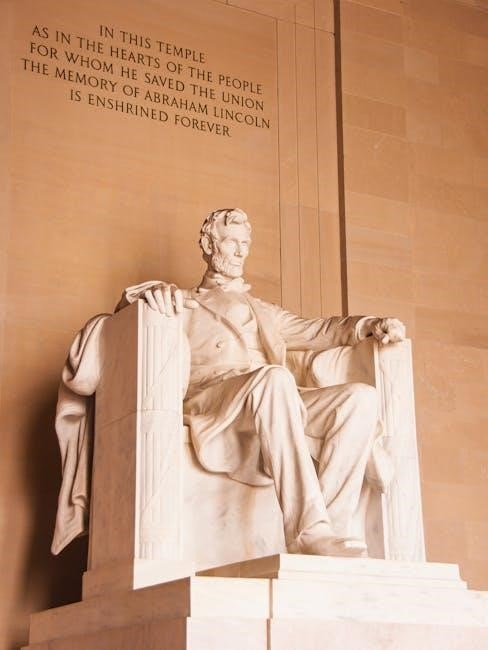
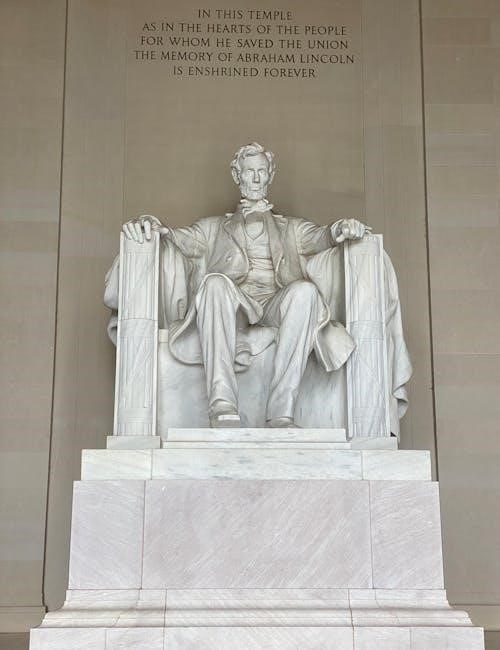
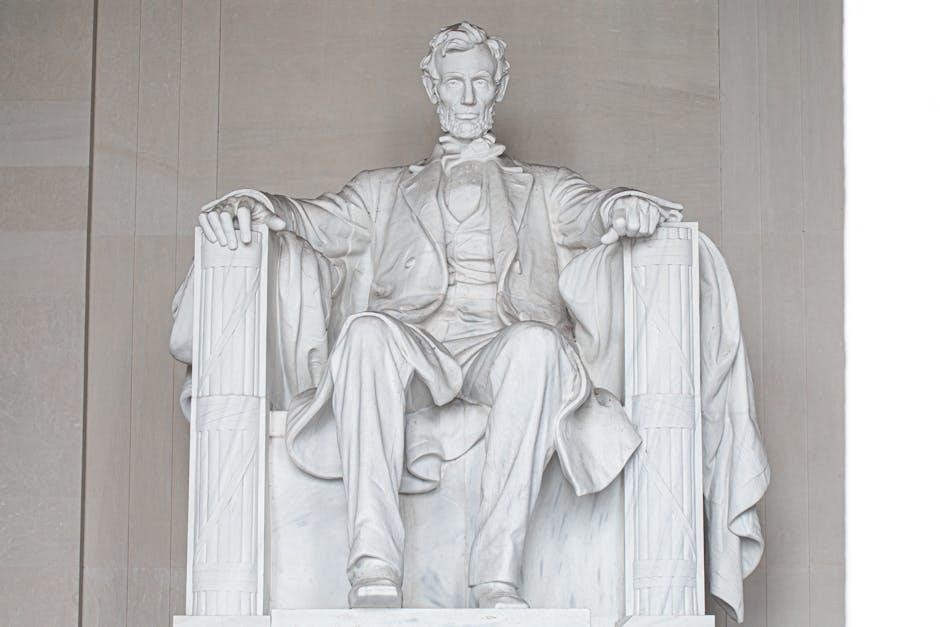
The film presents a highly fictionalized portrayal of Abraham Lincoln, diverging significantly from historical accuracy. While the core elements of his life – his upbringing, political career, and eventual presidency – are acknowledged, the narrative introduces a secret life dedicated to vampire hunting. This reimagining fundamentally alters the perception of Lincoln, presenting him as a physically imposing and relentlessly driven individual.
The character is portrayed as intensely focused on revenge following a personal tragedy involving his mother. This motivation fuels his decades-long pursuit of vampires, shaping his political ambitions and ultimately influencing his decisions as president. The film emphasizes Lincoln’s darker side, showcasing a ruthless determination that contrasts with his traditionally revered image.
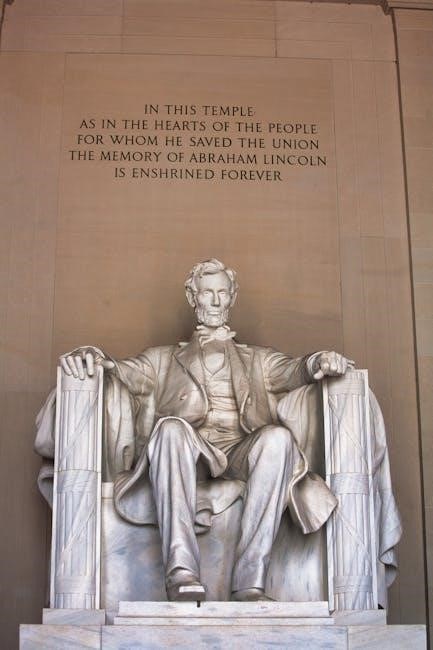
Parents should discuss with children the fictional nature of this depiction. It’s crucial to emphasize that the film is not a historically accurate account of Lincoln’s life, but rather a fantastical interpretation. The film’s liberties with historical facts could potentially create misconceptions if not addressed. The portrayal, while compelling, is a dramatic license and should be viewed as such, separating fact from fiction.
Relationships and Romantic Elements
The film incorporates romantic relationships, though they are often intertwined with the central plot of vampire hunting and revenge. Lincoln’s relationship with Mary Todd is depicted, showcasing her intelligence and strength, but it’s frequently overshadowed by his clandestine activities. The romance isn’t a primary focus, serving more as a backdrop to his larger mission and a source of emotional complexity.
Other relationships, particularly those forged during his vampire hunting endeavors, are presented as crucial to his success. These alliances are built on shared purpose and a mutual understanding of the threat posed by the undead. While camaraderie exists, these bonds are often forged in violence and secrecy, lacking the warmth typically associated with conventional friendships.
Parents should be aware that the romantic elements are relatively subdued and not overly explicit. However, the film’s overall tone is dark and violent, which may impact how younger viewers perceive these relationships. Discussions about healthy relationships and the importance of emotional connection, separate from the film’s context, could be beneficial.
Action and Special Effects
“Abraham Lincoln: Vampire Hunter” is heavily reliant on stylized action sequences and extensive special effects. The vampire hunting is depicted with graphic, albeit fantastical, violence. Expect elaborate fight choreography involving axes, silver weaponry, and superhuman feats performed by both Lincoln and the vampires.
The special effects are a significant component of the film, used to create the vampires’ abilities – enhanced strength, speed, and agility – and the visually striking combat scenarios. These effects, while impressive, contribute to the film’s overall intensity and may be frightening for younger or more sensitive viewers. The visual presentation is baroque and intense, leaning into a heightened reality.
Parents should consider whether their children are prepared for the film’s relentless action and graphic imagery. The combination of historical figures and supernatural elements might blur the lines between reality and fantasy for some, potentially leading to nightmares or anxiety. Discussing the difference between fictional violence and real-world consequences is advisable.
The Film’s Tone and Atmosphere
“Abraham Lincoln: Vampire Hunter” adopts a darkly fantastical and often absurd tone. It blends historical drama with supernatural horror, creating a unique, yet potentially unsettling, atmosphere. The film doesn’t shy away from graphic violence, presented with a stylized and somewhat over-the-top aesthetic. This isn’t a straightforward historical biopic; it’s a reimagining with a significant genre twist.
The atmosphere is frequently intense and suspenseful, driven by the constant threat of vampire attacks and Lincoln’s relentless pursuit of vengeance. The film’s wry sense of absurdity, as noted in some reviews, doesn’t necessarily lessen the impact of the violent content. It’s a baroque level of intensity, featuring a straight-man portrayal amidst the chaos.
Parents should be aware that the film’s tone might be too mature for younger children. The combination of dark themes, graphic violence, and a somewhat cynical worldview could be disturbing. Consider your child’s sensitivity to horror and their ability to distinguish between fantasy and reality before allowing them to watch.
Parental Guidance Considerations
Open communication is key. Discuss the film’s violent content, historical inaccuracies, and themes of revenge with children. Explore alternative entertainment options if needed, ensuring age-appropriate choices.
Discussing Violence with Children
“Abraham Lincoln: Vampire Hunter” presents stylized violence, differing significantly from realistic portrayals. Parents should proactively discuss the film’s action sequences with children, emphasizing the fictional nature of the vampire hunting and its exaggerated depiction. It’s crucial to differentiate between fantasy violence and real-world aggression, fostering critical thinking about the consequences of violence.
Encourage children to express their feelings about the violent scenes. Validate their reactions, whether they feel scared, disturbed, or simply curious. Explain that violence is not a solution to conflict and that the film’s narrative utilizes it for entertainment purposes within a fantastical context. Discuss the emotional impact of violence on characters within the story, prompting empathy and understanding.
Furthermore, explore the motivations behind the violence depicted. Is it justified within the film’s narrative? What are the consequences for those who engage in violent acts? These conversations can help children develop a nuanced understanding of violence and its complexities, moving beyond simple acceptance or rejection. Remind them that seeking help and peaceful resolution are always preferable to resorting to aggression.
Addressing Historical Context
“Abraham Lincoln: Vampire Hunter” dramatically alters historical events by introducing a supernatural element. Parents should emphasize to children that the film is a fictionalized account and does not accurately represent the life or presidency of Abraham Lincoln. It’s vital to separate the fantastical narrative from established historical facts.
Use the film as a springboard for discussing Lincoln’s actual accomplishments and the challenges he faced during the Civil War era. Explore his role in preserving the Union and abolishing slavery, highlighting his genuine leadership and moral courage. Encourage children to research Lincoln’s life through reliable sources, such as biographies and historical websites.
Explain that the film’s premise—Lincoln secretly battling vampires—is a creative invention and not based on historical evidence. Discuss the importance of verifying information and being critical of sources, especially when encountering fictionalized portrayals of historical figures. This provides an opportunity to teach media literacy and responsible historical interpretation, fostering a deeper appreciation for accurate historical understanding.
Exploring Themes of Revenge and Justice
“Abraham Lincoln: Vampire Hunter” heavily features themes of revenge, driven by Lincoln’s personal loss and his subsequent dedication to eradicating the vampire threat. Parents should use this as a starting point for discussions about the complexities of seeking retribution versus pursuing justice.
Explore with children the ethical implications of revenge, questioning whether it truly provides closure or perpetuates a cycle of violence. Discuss the difference between a desire for vengeance and a commitment to fairness and lawful resolution. The film presents a morally ambiguous scenario where Lincoln’s actions, though motivated by grief, involve significant violence.
Encourage critical thinking about the concept of justice – what does it mean to achieve justice, and are Lincoln’s methods justifiable within that framework? Consider alternative approaches to conflict resolution and the importance of empathy and forgiveness. This film offers a unique opportunity to delve into these complex moral questions with your children, promoting thoughtful discussions about right and wrong.
Managing Fear and Anxiety
“Abraham Lincoln: Vampire Hunter” contains intense action sequences and frightening imagery that may induce fear or anxiety in younger or more sensitive viewers. Parents should proactively prepare children for the film’s darker elements, acknowledging that it’s a fictionalized, heightened reality.
Before and after viewing, create a safe space for children to express their feelings. Encourage them to verbalize any anxieties or fears they experienced during the film. Validate their emotions and reassure them that the events depicted are not real. Discuss the difference between fantasy and reality, emphasizing that vampires are not a genuine threat.
For children prone to nightmares, consider limiting screen time before bed or engaging in calming activities afterward, such as reading or listening to soothing music. If a child exhibits prolonged distress or anxiety, seek guidance from a child psychologist or counselor. Remember, open communication and emotional support are crucial in helping children process potentially unsettling content.
Alternative Entertainment Options
Recognizing that “Abraham Lincoln: Vampire Hunter” may not be suitable for all ages, parents should explore alternative entertainment options that align with their family’s values and preferences; Numerous films and activities offer engaging experiences without the intense violence or mature themes present in this particular movie.
Consider historical dramas that accurately portray Abraham Lincoln’s life and legacy, such as documentaries or biographical films focusing on his political achievements and personal struggles. These options provide educational value while remaining age-appropriate. Family-friendly adventure films, comedies, or animated features can also offer enjoyable alternatives.
Beyond movies, engaging in shared activities like board games, reading together, visiting museums, or exploring nature can foster quality family time and create lasting memories. Prioritizing experiences that promote creativity, learning, and positive interaction strengthens family bonds and provides enriching alternatives to potentially unsettling screen entertainment. Ultimately, selecting content that aligns with your family’s comfort level is key.