
Dickies Size Guide: A Comprehensive Overview (Updated February 13, 2026)
Navigating Dickies sizing is crucial for optimal comfort and fit. This guide, updated today, February 13, 2026, provides detailed charts for men’s bottoms,
covering waist, seat, thigh, and inseam measurements in inches.
Welcome to the definitive guide to Dickies sizing! Understanding how Dickies garments are measured is the first step towards finding your perfect fit. Dickies, renowned for its durable workwear and increasingly popular casual styles, utilizes specific measurement criteria that can differ from other brands. This can sometimes lead to confusion, but this guide aims to demystify the process.
Dickies sizing primarily focuses on four key measurements for bottoms: waist, seat (or hips), thigh, and inseam. Each measurement plays a vital role in ensuring a comfortable and functional fit, especially considering the brand’s heritage in workwear where movement and practicality are paramount.
It’s important to note that Dickies offers a range of fits, from classic straight leg to more modern slim fits. These variations impact how the garment sits on the body, so understanding the fit style is just as important as knowing your measurements. We will explore these fit styles in detail later. Accurate measurements are key, and we’ll provide detailed instructions on how to take them correctly.
This guide is updated as of February 13, 2026, to reflect the latest sizing standards from Dickies. We’ll also cover conversions and address common sizing issues to help you confidently shop for Dickies apparel.
Understanding Dickies Fit Styles
Dickies offers a variety of fit styles designed to cater to different preferences and needs, impacting how a garment feels and looks. Recognizing these distinctions is crucial for selecting the right size. The most common fits include Original Fit, Relaxed Fit, Slim Straight, and Slim Fit.
Original Fit is Dickies’ classic, traditional cut – a straight leg offering ample room through the seat and thigh. It’s favored for its comfortable, no-nonsense feel and is ideal for workwear. Relaxed Fit provides even more room than the Original Fit, prioritizing maximum comfort and freedom of movement.
For a more contemporary silhouette, Slim Straight offers a tailored look without being overly restrictive. It’s a versatile option suitable for both work and casual wear. Finally, Slim Fit provides a closer, more modern fit, tapering from the knee to the ankle.
Understanding that these fits influence sizing is vital. You might need to size up in a Slim Fit compared to an Original Fit to achieve the same level of comfort. Always consider the intended use and your personal preference when choosing a fit style.
Men’s Bottoms Size Chart ― Waist Measurement
Determining your correct waist size is the foundation of finding well-fitting Dickies bottoms. This chart provides a comprehensive overview, correlating waist measurements in inches with corresponding Dickies sizes. Accurate measurement is key to avoiding ill-fitting garments.
Here’s a breakdown of waist sizes: A 26-inch waist corresponds to a Dickies size 26, 28 inches to size 28, 30 inches to size 30, and so on. The chart extends up to a 60-inch waist, equating to a Dickies size 60. Intermediate sizes are also available, such as 31, 33, 35, and beyond, ensuring a precise fit for most body types.
Please note: These measurements represent the actual waist circumference of the garment, not your body measurement. It’s recommended to measure your natural waistline – typically just above your hip bones – and add 1-2 inches for comfortable movement. Refer to the complete chart below for detailed sizing information:
| Waist (inches) | Dickies Size |
|---|---|
| 26 | 26 |
| 28 | 28 |
| 30 | 30 |
| 32 | 32 |
(Chart continues to 60 inches)
Men’s Bottoms Size Chart ― Seat/Hips Measurement
Accurately measuring your seat or hips is vital for ensuring a comfortable and properly fitted pair of Dickies work pants, shorts, or jeans. This chart correlates your hip measurement with the corresponding Dickies size, allowing for a more precise selection than waist size alone.
The seat/hip measurement is taken at the fullest part of your hips, ensuring the tape measure is level. A 32-inch hip measurement typically corresponds to a Dickies size 26, while a 34-inch hip aligns with size 28. The chart progresses, with a 36-inch hip fitting a size 30, and a 38-inch hip fitting a size 32.
The chart extends to larger sizes, accommodating a 59-inch hip with a Dickies size 60. It’s important to consult the full chart, as seat measurements increase incrementally with each size. Remember, these measurements are guidelines; individual body shapes may vary.
| Seat/Hips (inches) | Dickies Size |
|---|---|
| 32 | 26 |
| 34 | 28 |
| 36 | 30 |
| 38 | 32 |
(Chart continues to 59 inches)
Men’s Bottoms Size Chart ― Thigh Measurement
Determining your thigh measurement is crucial for ensuring comfortable movement and a non-restrictive fit in Dickies work pants and jeans. This measurement, taken around the fullest part of your thigh, helps select the appropriate size, especially for those with muscular builds.
To measure accurately, stand with your feet shoulder-width apart and measure around the fullest part of your thigh, keeping the tape measure level; A thigh measurement of 19 ½ inches generally corresponds to a Dickies size 26. As the thigh measurement increases, so does the Dickies size; 20 ¾ inches aligns with size 28, 22 inches with size 30, and 23 ¼ inches with size 32.
The chart continues to accommodate larger thigh sizes, reaching up to 36 ½ inches for a Dickies size 60. It’s important to note that thigh measurements increase incrementally. Always refer to the complete chart for the most accurate size selection. Remember, these are guidelines, and individual body shapes can influence the best fit.
| Thigh (inches) | Dickies Size |
|---|---|
| 19 ½ | 26 |
| 20 ¾ | 28 |
| 22 | 30 |
| 23 ¼ | 32 |
(Chart continues to 36 ½ inches)
Men’s Bottoms Size Chart ― Inseam Measurement
Accurate inseam measurement is vital for achieving the correct pant length with Dickies. Inseam refers to the distance from the crotch seam to the bottom hem of the pant leg. A proper inseam ensures your pants aren’t too long, creating a tripping hazard, or too short, limiting movement and style.
To measure your inseam, wear the shoes you typically wear with Dickies pants. Stand with your feet shoulder-width apart and measure from your crotch down the inside of your leg to where you want the pants to fall on your shoe. Dickies offers a range of inseam lengths to accommodate various heights.
Generally, a 30-inch waist often pairs with a 30-inch inseam, but this varies. Dickies’ size chart provides specific inseam recommendations for each waist and seat size. Consider whether you prefer a break (a slight fold at the shoe) or a stacked look (more fabric pooling at the shoe).

Remember to consult the full chart on Dickies.com for precise inseam lengths corresponding to your waist and seat measurements. Proper inseam selection enhances both comfort and the overall appearance of your Dickies workwear.
Dickies Work Pants Sizing
Dickies work pants are renowned for their durability and comfortable fit, but selecting the right size is paramount for optimal performance. These pants are designed with a focus on functionality and resilience, catering to various body types and work environments.
When sizing for Dickies work pants, prioritize accurate waist, seat, thigh, and inseam measurements. Unlike some brands, Dickies work pants often have a more generous cut, providing room for movement. However, relying solely on your usual pant size can be misleading.
Refer to the Dickies size chart specifically for work pants, as sizing can slightly differ between product lines. Pay close attention to the thigh measurement, as this area often determines comfort during strenuous activities. Consider whether you prefer a looser or more fitted style.
If you’re between sizes, it’s generally recommended to size up, especially if you plan to wear layers underneath. Always double-check your measurements before finalizing your purchase to ensure a comfortable and functional fit for your work needs.
Dickies Shorts Sizing
Dickies shorts offer the same rugged durability and comfortable fit as their work pants, making them ideal for warmer weather or less demanding tasks. However, accurate sizing is still crucial for ensuring a proper and enjoyable wearing experience.
Sizing for Dickies shorts primarily revolves around your waist measurement, as the seat and thigh measurements are generally more accommodating in a shorter length. It’s important to note that shorts often have a slightly different fit than full-length pants, even within the same size.
Consult the Dickies size chart specifically for shorts to find the corresponding waist size based on your measurement. Pay attention to the rise of the shorts, as this can affect where they sit on your waist. Consider your preferred level of looseness or tightness.
If you find yourself between sizes, it’s often best to size up for a more relaxed fit, especially if you plan on being active while wearing them. Double-check your waist measurement before ordering to avoid unnecessary returns and ensure a perfect fit.
Dickies Jeans Sizing
Dickies jeans blend classic workwear aesthetics with everyday style, offering a durable and comfortable denim option. Sizing these jeans accurately requires understanding how Dickies applies its fit standards to denim construction. While similar to their work pants, subtle differences exist.
Waist size remains the primary determinant for finding your correct Dickies jean size. Refer to the official Dickies size chart, noting the corresponding seat and thigh measurements for each waist size. These measurements are crucial for ensuring a comfortable and flattering fit.

Consider the jean’s style – straight leg, relaxed fit, or slim fit – as this will influence how the jeans sit and feel. A slimmer fit may require sizing up if you prefer more room for movement.
Pay attention to the fabric composition; some Dickies jeans incorporate stretch denim, which may offer a more forgiving fit. Always measure your waist accurately and compare it to the size chart before making a purchase.
Big & Tall Sizes Available
Dickies proudly offers an extensive range of big and tall sizes, recognizing the need for comfortable and well-fitting workwear for all body types. This commitment ensures that individuals of larger builds can experience the same durability and functionality that Dickies is known for.
The big & tall collection includes work pants, shorts, and jeans, with waist sizes extending up to 60 inches and inseams accommodating taller frames. These sizes are specifically cut to provide a more generous fit without sacrificing the ruggedness expected from Dickies.
When selecting big & tall sizes, it’s essential to consult the dedicated size chart, as measurements may differ slightly from standard sizing. Pay close attention to both waist and inseam measurements to achieve the best possible fit.
Dickies understands that proper fit is paramount for both comfort and performance. The availability of big & tall sizes demonstrates their dedication to inclusivity and providing quality workwear for everyone.
How to Accurately Measure Your Waist
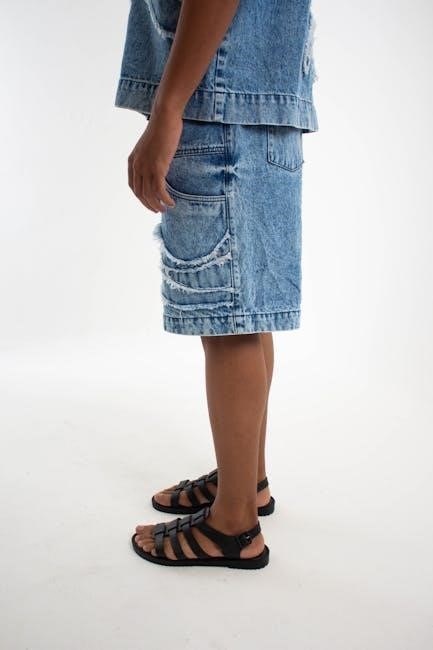
Accurate waist measurement is fundamental for finding your perfect Dickies fit. Begin by standing naturally with your feet shoulder-width apart and relaxing your abdomen. Do not pull the measuring tape too tight, nor leave it too loose – aim for a comfortable, snug fit.
Wrap the measuring tape around your natural waistline, which is typically located about an inch or two below your belly button. Ensure the tape is level all the way around your body. Avoid measuring over clothing, as this can significantly alter the accuracy of the measurement.
Take the measurement at the point where the tape feels secure but not constricting. Exhale normally and read the measurement in inches. If the measurement falls between sizes, Dickies recommends sizing up for a more comfortable fit, especially for work pants designed for movement.
Double-check your measurement to ensure accuracy; A precise waist measurement is the cornerstone of selecting the correct Dickies size and enjoying optimal comfort and performance.
How to Accurately Measure Your Seat/Hips
Measuring your seat or hips is crucial for ensuring a comfortable and well-fitting pair of Dickies, particularly for styles with a closer cut. Stand with your feet together and your weight evenly distributed. Ensure you are wearing minimal or no clothing for the most accurate result.
Wrap the measuring tape around the fullest part of your hips and seat. This is typically around 7-9 inches below your waist. Keep the tape measure level, running parallel to the floor, all the way around your body. Avoid pulling the tape too tightly; it should rest comfortably against your skin.
Exhale normally and record the measurement in inches. It’s helpful to have someone assist you to ensure the tape remains level and provides an accurate reading. Compare your measurement to the Dickies size chart, paying close attention to the seat/hips column.
If your measurement falls between sizes, consider the style of Dickies you’re purchasing. For more fitted styles, size up. For looser fits, your true size may be appropriate.
How to Accurately Measure Your Thigh
Accurately measuring your thigh is essential for selecting Dickies work pants or jeans that offer both comfort and freedom of movement. Stand with your feet shoulder-width apart and your weight evenly distributed. Wearing lightweight clothing, or none at all, will yield the most precise measurement.
Locate the fullest part of your thigh. This is generally around the middle of your thigh, where it’s widest. Wrap the measuring tape around this point, ensuring it’s level all the way around your leg. Avoid pulling the tape too tightly; it should sit comfortably without compressing the muscle.
Record the measurement in inches. It’s beneficial to have assistance to guarantee the tape remains level and provides a consistent reading. Refer to the Dickies size chart and locate the thigh measurement column to determine your corresponding size.
If your measurement falls between sizes, consider the intended use of the garment. For work requiring extensive movement, opting for the larger size is advisable. For a more tailored fit, your true size may suffice.
How to Accurately Measure Your Inseam
Determining your inseam accurately is vital for achieving the correct length in your Dickies pants or shorts. The inseam is measured from the crotch seam along the inside of the leg to the bottom hem. For the most precise result, it’s best to have a helper assist you with this measurement.
Wear the shoes you typically wear with your Dickies garments. Stand with your feet shoulder-width apart and your knees slightly bent. Have your helper measure from the crotch (where the pants waistband meets the legs) down the inside of your leg to where you want the pants to fall on your shoe.
Ensure the measuring tape is taut but not overly tight. A slight bend in the knee is crucial for a realistic measurement. Record the measurement in inches. Compare this number to the Dickies inseam size chart to find your ideal length.
If you’re between sizes, consider your preference for a break (the amount of fabric that rests on your shoe). A full break is more traditional, while no break offers a modern, streamlined look.
Converting Between Dickies Sizes and Other Brands
Transitioning between brands can be tricky, as sizing varies considerably. Dickies generally runs true to size, but discrepancies can occur. Understanding these differences is key to finding your perfect fit when switching from other popular brands.
Compared to brands like Levi’s, you might find Dickies waist sizes are slightly smaller. It’s often recommended to size up one inch in the waist if you typically wear Levi’s. For brands known for a looser fit, such as Carhartt, you may find Dickies fits more snugly.
Always refer to the specific size chart for both Dickies and the brand you’re comparing. Don’t rely solely on your usual size in another brand. Measure yourself accurately and compare those measurements to the charts. Consider the fabric and style; stretch fabrics may require a different size than rigid denim.
When in doubt, it’s always better to order a size up and have the garment tailored if necessary. This ensures a comfortable and flattering fit.
Dickies Size Variations by Product Line
Dickies offers a diverse range of products, and sizing isn’t always uniform across all lines. Understanding these variations is crucial for a consistently good fit. Work pants, for example, often have a more relaxed, straight-leg fit, potentially requiring a different size than their slim-fit jeans.
The 874 Work Pant, a classic, tends to run slightly larger in the waist and seat compared to Dickies’ denim offerings. Consider sizing down one inch in the waist for a more tailored look. Dickies shorts, particularly those designed for work, may have a looser cut through the thigh.
Their denim jeans, including the 1922 and Flex lines, often feature more modern fits – slim, skinny, and straight. These styles generally adhere to standard denim sizing, but it’s still wise to consult the specific size chart for each jean style. Pay attention to fabric composition; stretch denim will have a different fit than 100% cotton.
Always check the product description for specific sizing recommendations.
Troubleshooting Common Sizing Issues
Experiencing sizing difficulties with Dickies? You’re not alone! A frequent issue is finding the right waist size, as measurements can vary slightly between styles. If your usual size feels snug, especially in work pants, consider sizing up. Conversely, if there’s excessive looseness, try sizing down.
Another common problem is inseam length. Always measure your inseam accurately (see our guide) and compare it to the Dickies size chart. If you’re between sizes, opting for the longer inseam allows for hemming. For those with athletic builds, the thigh measurement is critical; ensure sufficient room for movement.
If you’re unsure, read customer reviews – they often provide valuable insights into how specific styles fit. Remember that Dickies’ Big & Tall sizes offer extended ranges for larger frames. Don’t hesitate to utilize the Dickies.com size recommendation tool or contact their customer service for personalized assistance. A well-fitting garment enhances both comfort and durability.
Dickies Women’s Sizing (Overview)
Dickies women’s sizing differs significantly from men’s, reflecting female body shapes. While the brand historically focused on men’s workwear, their women’s line is expanding, offering a range of fits. Generally, women’s sizes run smaller than standard US sizes, so consulting the specific size chart for each garment is essential.

Waist measurements are key, but pay close attention to the rise – the distance from the crotch to the waistband. Dickies offers various rises, impacting where the garment sits on your waist. Hip and thigh measurements are also crucial for a comfortable fit, particularly in work pants and relaxed-fit styles.
Expect to find sizes ranging from XS to XXL, with some styles offering extended sizes. Due to variations between product lines, always check the individual size guide on Dickies.com. Customer reviews can provide valuable insights into how specific items fit different body types. Prioritize accurate measurements and compare them carefully to the provided charts for the best results.
Dickies Kids’ Sizing (Overview)
Dickies offers a dedicated line of workwear and casual clothing for children, with sizing designed to accommodate growing bodies. Unlike adult sizing, kids’ sizes are typically based on age and height, alongside standard measurements. Expect to find sizes ranging from toddler sizes (2T-5T) up to youth sizes (8-16).
Accurate height and weight are crucial for determining the correct size. Dickies’ kids’ size charts provide detailed measurements for chest, waist, and inseam, corresponding to age ranges. However, children grow at different rates, so relying solely on age can be misleading. Always measure your child’s dimensions before ordering.
Pay attention to the garment’s style – relaxed fits may require sizing up, while slimmer styles might fit true to size. Consider the intended use; workwear may benefit from a slightly looser fit for comfort and movement. Check product-specific size charts on Dickies.com, as variations can occur. Customer feedback can also offer valuable insights into fit and sizing.
Where to Find More Detailed Sizing Information on Dickies.com
Dickies.com serves as the primary hub for the most comprehensive and up-to-date sizing information. Navigate to the “Size Guide” section, typically found in the website’s footer or within each product description. Here, you’ll discover detailed charts tailored to specific product categories – men’s, women’s, kids’, and workwear.
Each size chart provides precise measurements in inches, covering waist, inseam, seat, and thigh for bottoms, and chest, sleeve length, and neck size for tops. Dickies also offers helpful “How to Measure” guides with visual instructions, ensuring accurate self-measurement. Look for product-specific sizing tabs; variations can occur between different styles and collections.
Utilize the website’s search function to quickly locate size charts for particular items. Don’t overlook the “Customer Questions & Answers” section on product pages, where other shoppers often share their sizing experiences. Dickies’ customer service team is also available via live chat or email to assist with any sizing inquiries, providing personalized guidance.
Customer Reviews & Sizing Feedback
Leveraging customer reviews is invaluable when determining the best fit for Dickies apparel. Shoppers frequently share their personal experiences with sizing, noting whether items run true to size, large, or small. Pay attention to comments regarding specific body types or preferred fits – for example, if a reviewer mentions ordering a size up for a more relaxed feel.
Read reviews carefully, filtering by product and size to find relevant feedback. Look for patterns; if multiple customers report similar sizing issues, it’s a strong indicator. Consider the reviewer’s height and weight, as this can provide context. Dickies.com often displays size breakdowns within the reviews section, summarizing the percentage of customers who found a particular size to be accurate.
Remember that sizing perceptions can be subjective. Combine review insights with the official Dickies size charts and measurement guides for a well-informed decision. Don’t hesitate to ask questions in the Q&A section if you’re unsure about a specific item’s fit.