What is a Universal Remote Control?
Definition and Purpose
Universal remotes consolidate control, acting as a central hub for your TV and other devices, eliminating the clutter of multiple remotes. They simplify entertainment!
A universal remote control is a single device designed to operate multiple electronic devices, such as televisions, DVD players, Blu-ray players, cable or satellite boxes, and even audio systems. Its primary purpose is to streamline your home entertainment experience by replacing the need for numerous individual remotes. Instead of juggling several controls, a universal remote allows you to manage all your devices with one convenient tool.
These remotes achieve this functionality through programming, utilizing specific codes associated with different brands and models of electronic equipment. This eliminates the hassle of remembering various button layouts and navigating different remote interfaces. Essentially, a universal remote acts as a translator, converting your commands into signals understood by each connected device, offering a simplified and unified control solution for your entire home theater setup.
Benefits of Using a Universal Remote
The advantages of adopting a universal remote are numerous. Firstly, it drastically reduces clutter, eliminating the messy collection of individual remotes often found in living rooms. This creates a cleaner, more organized entertainment space; Secondly, it offers convenience; controlling all devices from a single point simplifies operation and minimizes frustration.
Furthermore, universal remotes can often be programmed with macros – sequences of commands executed with a single button press, automating complex actions. This is particularly useful for presentations or movie nights. They also offer cost savings, as you avoid the need to constantly replace lost or malfunctioning individual remotes. Ultimately, a universal remote enhances your overall entertainment experience, providing ease of use and a more streamlined approach to managing your home theater system.

Types of Universal Remote Controls
Universal remotes utilize different technologies: Infrared (IR), Radio Frequency (RF), and Bluetooth, each offering unique capabilities and compatibility with various devices;
Infrared (IR) Remotes
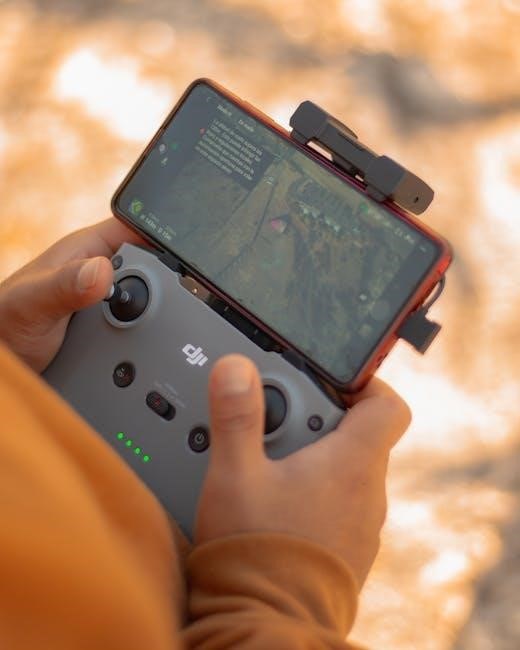
Infrared (IR) remotes represent the most traditional and widely recognized type of universal remote control. These remotes function by emitting infrared light signals that your devices – like TVs, DVD players, and cable boxes – are designed to receive and interpret. A key characteristic of IR remotes is the requirement for a direct line of sight between the remote and the device it’s controlling; obstructions can interfere with the signal.
While generally less expensive than other types, IR remotes often necessitate precise aiming. They are incredibly common and compatible with a vast range of older and newer devices. Programming an IR remote typically involves entering specific codes corresponding to your device’s brand and model, or utilizing an auto-search function to find the correct code. Despite their limitations regarding line-of-sight, IR remotes remain a popular and practical choice for many households due to their simplicity and affordability.
Radio Frequency (RF) Remotes
Radio Frequency (RF) remotes offer a significant advantage over traditional infrared (IR) remotes: they don’t require a direct line of sight to operate. Instead of light signals, RF remotes transmit radio waves, allowing you to control devices even if the remote is hidden inside a cabinet or behind other objects. This makes them particularly useful for whole-home entertainment systems where the controlling device might not always be in direct view of the equipment.
RF remotes generally have a longer range than IR remotes and are less susceptible to interference. However, they are typically more expensive. Programming an RF remote often involves a learning process, where the remote learns the signals from your existing remotes. Some RF remotes also support control of devices that don’t have IR receivers, expanding their compatibility. They represent a step up in convenience and functionality compared to their IR counterparts.
Bluetooth Remotes
Bluetooth remotes represent a more modern approach to universal control, utilizing Bluetooth technology for communication with devices. Like RF remotes, they don’t require a direct line of sight, offering flexibility in placement and operation. However, Bluetooth remotes often go beyond simple device control, frequently integrating voice control capabilities through compatibility with voice assistants like Google Assistant or Amazon Alexa;
These remotes are particularly well-suited for smart TVs and streaming devices, allowing for seamless navigation and control of apps. Pairing a Bluetooth remote typically involves a straightforward process through the device’s settings menu. While generally more expensive than IR or RF options, Bluetooth remotes provide a premium experience with enhanced features and convenience. They are becoming increasingly popular as smart home ecosystems expand and voice control gains prominence.

Programming Methods for Universal Remotes
Programming is key! Universal remotes require setup using codes, auto-search functions, or direct programming to communicate with your specific devices effectively.
Code-Based Programming
Code-based programming is a common method for setting up your universal remote. It involves entering a specific numerical code associated with the brand of the device you wish to control – like your TV, DVD player, or cable box. These codes are typically found in a codebook that comes with the remote, or are available online through the manufacturer’s website, such as the GE Remote Control Codebook.
To use this method, you’ll usually power on the device, then enter the appropriate code into the remote following the remote’s instructions. The remote then attempts to communicate with the device using that code. If successful, your device will respond to the remote’s commands. It’s important to try multiple codes for the same brand, as several codes might exist, and only one will work with your specific model. This method requires patience and a little bit of trial and error, but it’s often the most reliable way to program your remote.
Auto-Search Programming
Auto-search programming offers a more automated approach to setting up your universal remote, bypassing the need to manually input codes. The remote systematically sends out signals, cycling through a vast library of codes, while you watch for a response from your device. When your device reacts – perhaps by turning off or changing the volume – you immediately stop the search process.
This method is particularly useful when you can’t find the correct code in a codebook or online. However, it can be time-consuming, potentially taking several minutes as the remote cycles through numerous codes. It’s crucial to point the remote directly at the device during the search and to remain attentive for any indication that a code has been successfully matched. While convenient, auto-search isn’t always foolproof and may not find a compatible code for every device.
Direct Programming
Direct programming involves directly entering a specific code for your device into the universal remote. This method requires knowing the manufacturer and model number of your television, DVD player, or cable box. You’ll typically find these codes listed in the remote’s manual or available online through the manufacturer’s website or dedicated remote code databases.
Once you have the code, you enter it using the number pad on the remote, following the instructions provided in the remote’s manual. Direct programming is generally faster and more reliable than auto-search, assuming you have the correct code. It’s a precise method, eliminating the guesswork involved in letting the remote cycle through numerous possibilities. However, finding the correct code can sometimes be challenging, especially for older or less common devices.
Popular Universal Remote Brands
GE, Blackweb, and Brightstar are well-known brands offering reliable universal remotes, each with diverse features and programming options to simplify your home entertainment setup.
GE Universal Remotes
GE Universal remotes have been a popular choice for consumers seeking a straightforward solution to manage their home entertainment systems. These remotes don’t typically work immediately out of the box; programming is essential for functionality. Fortunately, GE provides extensive resources, including a GE Remote Control Codebook, to assist users in finding the correct codes for their specific devices.
The process involves locating the code corresponding to the brand of the device you wish to control – be it a television, DVD player, or cable box – and then entering that code into the GE remote using a specific programming method. This ensures compatibility and allows the remote to communicate effectively with your electronics. GE remotes aim to offer a balance of simplicity and functionality, making them accessible to a wide range of users.
Blackweb Universal Remotes
Blackweb Universal Remote Controls have earned a reputation as a reliable and affordable option for controlling multiple devices, boasting a history of consumer trust since 1993. Their core function is to serve as a single, centralized remote for TVs and various other electronic components, streamlining the home entertainment experience. Blackweb remotes are designed with versatility in mind, aiming to operate across a broad spectrum of brands and models.
However, like most universal remotes, a Blackweb remote requires initial programming to function correctly. This process involves configuring the remote to recognize the specific signals of your TV, DVD player, or cable box. Users can typically find instructions and code lists online or within the remote’s documentation, ensuring a relatively straightforward setup process for a simplified control experience.
Brightstar Universal Remotes
Brightstar Universal Remotes offer a convenient solution for managing your home entertainment system, aiming to consolidate multiple remotes into one easy-to-use device. If you’ve recently acquired a Brightstar remote, understanding the programming process is key to unlocking its full potential. A dedicated guide is available to assist users in configuring the remote to control their television effectively.
Programming a Brightstar remote typically involves following a series of steps, often utilizing device-specific codes. These codes allow the remote to communicate with your TV, enabling functions like power, volume control, and channel selection. Brightstar provides resources to help locate the correct codes for various TV brands and models, ensuring compatibility and a seamless user experience. Proper programming transforms the remote from a simple accessory into a powerful control center.

Troubleshooting Common Issues
Remote Not Responding
If your remote isn’t working, check the batteries first! Incorrect codes or device incompatibility are also frequent culprits needing attention and resolution.
Encountering a universal remote that refuses to respond is a common frustration, but often easily resolved. The very first step is always to verify the batteries; ensure they are fresh and correctly installed, paying attention to polarity. A weak battery signal is a primary cause of unresponsive remotes.
Next, inspect the remote’s infrared (IR) emitter – the small bulb at the front – to confirm it’s unobstructed. Dust or an object blocking the signal path can prevent communication with your devices. Try cleaning the emitter gently with a soft cloth.
If the batteries and emitter are fine, the issue might lie with the programming. Double-check that the remote is programmed to the correct device and using the appropriate code. Sometimes, a simple re-programming can fix the problem. Finally, consider if the device itself is powered on and responsive to its original remote – ruling out a device-side issue.

Incorrect Codes
Experiencing issues where your universal remote performs the wrong functions? This usually points to an incorrect code being programmed for your specific device. Universal remotes rely on extensive code libraries, and selecting the wrong one can lead to erratic behavior – changing channels when you intend to adjust volume, for example.
The solution involves revisiting the programming process. Consult the code list that came with your remote, or search online using your remote’s brand and your device’s manufacturer and model number. GE remote controls, for instance, have dedicated codebooks.
If you’ve tried multiple codes without success, consider utilizing the auto-search programming method. This allows the remote to cycle through codes until it finds one that works; Be patient, as this process can take time. Remember to test each function after entering a new code to confirm proper operation.
Device Compatibility
Not all devices are universally compatible with every universal remote. While most modern remotes boast broad support, older or less common electronics might pose a challenge. Universal Remote Control’s Digital R50, for example, aims to control up to 18 components, but even that has limits.
Before purchasing a remote, check its specifications to ensure it supports your devices’ brands and types (TV, DVD player, cable box, etc.). Blackweb Universal Remotes have a strong track record across various brands, but compatibility isn’t guaranteed.
If your device isn’t listed, explore advanced programming options or consider an RF or Bluetooth remote, which sometimes offer wider compatibility. Brightstar universal remotes also require checking compatibility before programming. Ultimately, verifying compatibility beforehand saves frustration and ensures a seamless home entertainment experience.