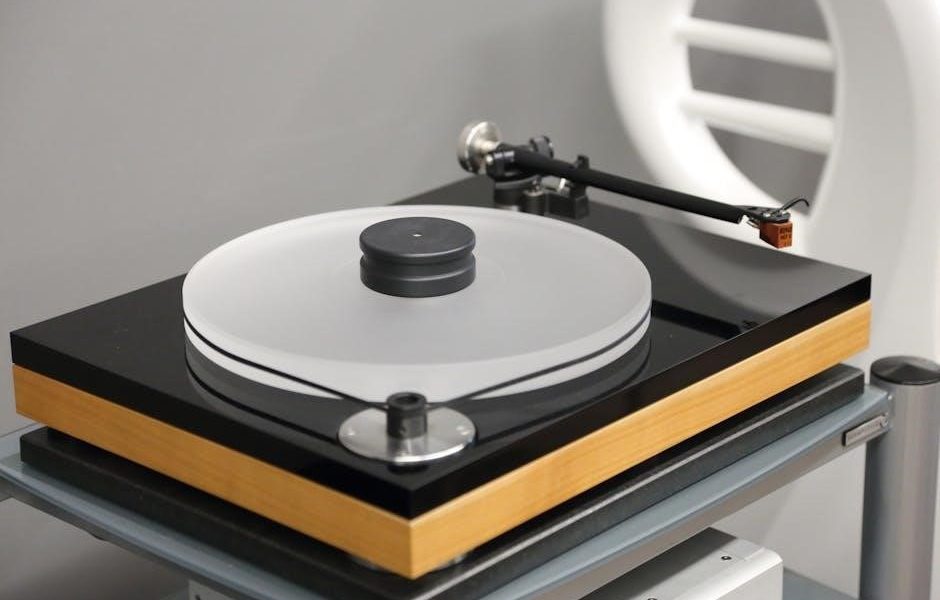
Vinyl’s remarkable comeback fuels demand for turntables, presenting choices between manual and automatic operation․ Sales exceeded CDs in 2020, reaching $232 million․
Modern brands like Victrola are innovating, while expert audiophiles rigorously test equipment for optimal sound․ Choosing wisely enhances your listening experience․
The Resurgence of Vinyl
The remarkable return of vinyl records is a significant cultural phenomenon․ In 2020, vinyl sales impressively surpassed those of CDs for the first time since the 1980s, generating $232 million in revenue within the U․S․ alone․ This isn’t merely nostalgia; it represents a deliberate shift towards a more tactile and engaging music experience․
Listeners are actively seeking a deeper connection with their music, appreciating the ritual of selecting, handling, and playing records․ This renewed interest has spurred innovation in turntable technology, with companies like Victrola evolving beyond basic models to offer sophisticated, high-fidelity options․ The demand isn’t just for the format itself, but for the entire experience surrounding it․
This revival is driving a renewed focus on audio quality and the components that deliver it, including the turntable itself․
Why Choose a Turntable?
Beyond the nostalgic appeal, choosing a turntable offers a uniquely immersive listening experience․ Unlike digital formats, vinyl provides a warmth and depth often described as more “analog” and authentic․ It encourages active listening – a conscious engagement with the music that’s often lost in the convenience of streaming․
Curating a vinyl collection becomes a personal journey, a tangible representation of musical taste․ The larger format artwork and liner notes add to the experience, offering a connection to the artist and their work․ Furthermore, investing in a quality turntable, reviewed by experts like Steve Guttenberg, ensures optimal sound fidelity․
Ultimately, a turntable isn’t just a music player; it’s a statement about how you value and experience music․
Understanding Turntable Mechanisms
Turntable operation hinges on intricate mechanics․ Manual models require user control, while automatic versions utilize programmed systems for playback and return functions․
Manual Turntables: A Hands-On Experience
Manual turntables place the listener directly in control of the entire playback process․ This involves physically lifting and lowering the tonearm onto the vinyl record, initiating the start of the music․
Audiophiles often prefer this method, believing it offers a more intimate connection with their music collection․ The user manages cueing, tracking, and lifting the tonearm at the end of each side, preventing potential damage to the vinyl․
This hands-on approach demands attentiveness but rewards with a purist listening experience, free from automated interventions․ It’s a deliberate act, fostering a deeper appreciation for the analog format and the nuances within each recording․
Automatic Turntables: Convenience and Ease
Automatic turntables prioritize user convenience, handling the playback process with minimal intervention․ At the push of a button, the tonearm automatically lifts, moves to the record’s edge, and lowers onto the vinyl to begin playing․
Upon reaching the end of a side, the tonearm lifts and returns to its resting position, preventing damage to both the record and stylus․ This feature is ideal for casual listeners or those seeking a hassle-free experience․
While some audiophiles debate potential impacts on sound fidelity, modern automatic turntables offer a balance of convenience and quality, making vinyl accessible to a wider audience․
Key Differences & Features
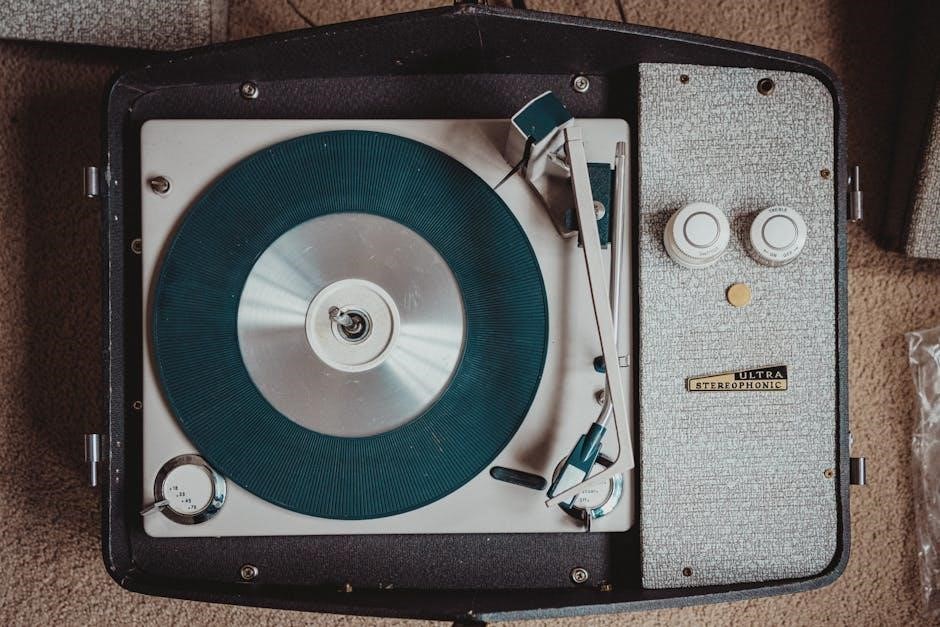
Distinguishing factors include automatic start/stop, manual cueing, and tonearm operation․ These features define the user experience and impact playback control․
Automatic Start, Stop, and Return
Automatic turntables excel in convenience, initiating playback at the touch of a button․ Upon record completion, the tonearm automatically returns to its resting position, preventing stylus wear and potential damage․
This feature is ideal for casual listeners who prioritize ease of use over hands-on control․ The automated process eliminates the need for manual intervention during playback, offering a seamless listening experience․
However, some audiophiles argue that the mechanics involved in automatic functions can introduce slight vibrations or compromises to sound fidelity․ Despite this, advancements in turntable technology continue to refine these systems, minimizing potential drawbacks and enhancing overall performance․
Manual Cueing and Control
Manual turntables grant the listener complete command over the playback process․ Cueing involves physically lifting and positioning the tonearm onto the record’s groove, allowing precise start and stop points․ This level of control is highly valued by audiophiles and DJs․
Experienced users can utilize cueing to isolate specific sections of a track, perfect for beatmatching or enjoying particular musical passages․ The tactile experience of manual operation fosters a deeper connection with the music and the vinyl itself․
While requiring more attention, manual cueing eliminates the mechanical complexities of automatic systems, potentially resulting in a purer, more direct sound reproduction․
Tonearm Operation: Manual vs․ Automatic
Manual turntables feature tonearms requiring the user to physically lift and lower them onto the record․ This direct interaction allows for precise placement and control, influencing playback quality․ The user manages the entire process, from initial contact to lift-off at the record’s end․
Automatic turntables employ a mechanism to handle tonearm movement․ This system automatically lifts, lowers, and returns the tonearm, offering convenience but potentially introducing mechanical interference․ The automation prioritizes ease of use over granular control․
The complexity of the automatic mechanism can impact sound fidelity, while the simplicity of a manual tonearm is often favored by audiophiles seeking the purest signal path․
Sound Quality & Performance
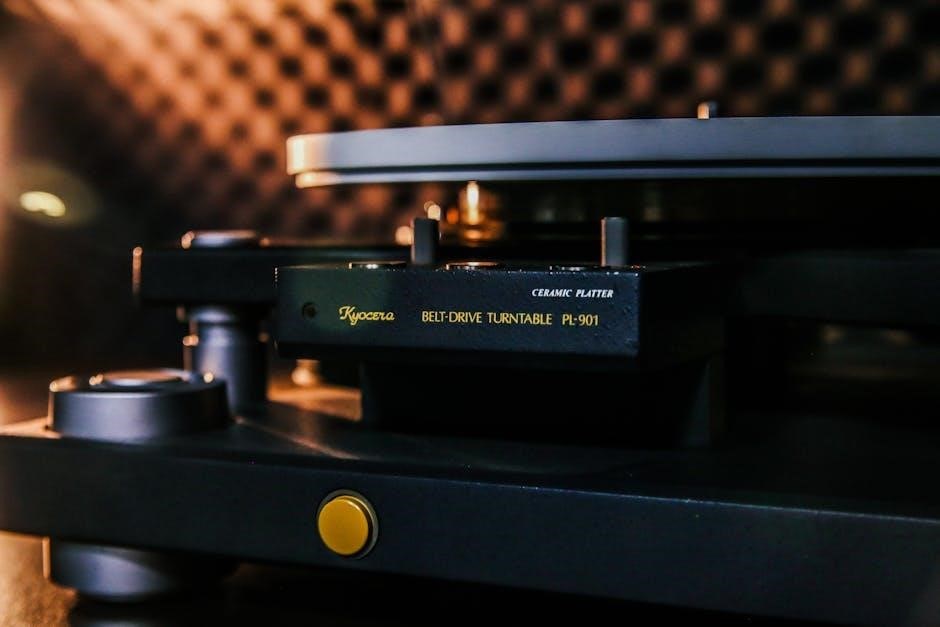
Sound fidelity hinges on various factors, including automation’s impact, cartridge quality, stylus precision, and the motor’s influence on consistent speed․
Impact of Automation on Sound Fidelity
Automation introduces mechanical complexities that can subtly affect sound fidelity․ Automatic turntables employ more moving parts – levers, solenoids, and sensors – to handle start, stop, and return functions․ While convenient, these mechanisms potentially introduce vibrations or resonances that color the audio signal․
Manual turntables, by contrast, offer a more direct connection between the stylus and the audio output․ Eliminating automated processes minimizes potential interference․ Audiophiles often argue this simplicity translates to a cleaner, more nuanced sound․ However, the impact is often debated and depends heavily on the quality of components used in both types of turntables․
Well-engineered automatic turntables can mitigate these issues, delivering performance comparable to manual models․ Ultimately, the cartridge and stylus play a more significant role in overall sound quality․
The Role of the Cartridge and Stylus
The cartridge and stylus are paramount to sound reproduction, far outweighing the influence of manual versus automatic operation․ These components directly translate the physical groove information into electrical signals․ A high-quality cartridge accurately captures subtle nuances, while a worn or poorly aligned stylus degrades sound quality․
Cartridge types – moving magnet (MM) or moving coil (MC) – offer different sonic characteristics․ Stylus shapes, like conical, elliptical, or Shibata, impact tracking ability and detail retrieval․ Regardless of turntable type, investing in a superior cartridge and stylus yields the most significant sonic improvements․
Proper alignment is crucial for both manual and automatic turntables․ Misalignment causes distortion and record wear․ Regular inspection and replacement of the stylus are essential for optimal performance․
Motor Types and Their Influence
Turntable motor design significantly impacts speed stability and, consequently, sound quality․ Common motor types include synchronous, asynchronous (induction), and direct-drive․ Synchronous motors, often found in budget-friendly models, rely on AC power frequency for consistent speed, but can be susceptible to fluctuations․
Asynchronous motors offer better speed stability through induction, while direct-drive motors, common in DJ turntables, provide instant start/stop and precise control․ The choice doesn’t inherently favor manual or automatic turntables; both can utilize any motor type․
Higher-end models prioritize motor isolation and precise speed control, minimizing unwanted vibrations and ensuring accurate pitch․ Ultimately, a well-engineered motor, regardless of type, contributes more to sonic fidelity than the turntable’s automation level․
Maintenance and Longevity
Regular upkeep extends a turntable’s life․ Manual models require more user intervention, while automatic versions may have complex mechanisms needing occasional professional attention․
Maintenance Requirements for Manual Turntables
Manual turntables demand consistent user involvement for optimal performance and longevity․ Regularly cleaning the stylus with a brush is crucial, removing dust and debris that degrade sound quality and potentially damage records․ The platter bearing should be periodically lubricated, ensuring smooth rotation and minimizing wear․
Belt-drive models necessitate belt replacement every few years, as belts stretch and lose elasticity․ Careful tonearm adjustments, including tracking force and anti-skate, are essential for accurate playback and preventing record wear․ Dust covers protect the turntable from accumulating particles, but should also be cleaned regularly․
Proactive maintenance, though more frequent than with automatic models, allows for a deeper connection with the equipment and a greater understanding of its operation, ultimately contributing to a superior listening experience․
Maintenance Requirements for Automatic Turntables
Automatic turntables, while convenient, still require periodic maintenance, though generally less frequent than manual models․ Dust removal from the stylus remains essential, using a carbon fiber brush to prevent sound degradation․ Lubrication of the automatic mechanism’s moving parts is crucial for smooth operation, preventing sticking or malfunctions․
More complex mechanisms mean potential for more intricate repairs if issues arise․ Checking and occasionally adjusting the automatic return and stop functions ensures proper operation․ Belt replacement is also necessary in belt-drive automatic turntables, though potentially less frequent than in manual counterparts․
Regular cleaning of the dust cover and overall chassis is important․ While offering ease of use, neglecting maintenance can lead to costly repairs due to the complexity of the automation features․
Potential Issues and Repairs
Both manual and automatic turntables can experience issues, but the nature differs․ Manual turntables often suffer from stylus wear, requiring replacement, and potential tonearm bearing issues․ Automatic turntables introduce complexities with their mechanisms – potential failures in the auto-return, auto-stop, or cueing systems․
Common problems include motor issues, belt slippage (belt-drive models), and electronic component failures in automatic units․ Repairing automatic turntables often necessitates specialized knowledge due to the intricate wiring and mechanics․ Finding qualified technicians can be challenging and potentially expensive․
DIY repairs are possible for some issues, like stylus replacement or belt changes, but complex repairs are best left to professionals to avoid further damage․ Regular maintenance minimizes the risk of significant problems․
Cost Considerations
Manual turntables generally start lower in price, offering entry-level options for budget-conscious buyers․ Automatic models often command a premium due to their complex mechanisms․
Price Range for Manual Turntables
Entry-level manual turntables can be found starting around $100-$200, suitable for beginners exploring vinyl․ These typically feature basic components and construction, prioritizing affordability over high-end performance․
Mid-range manual turntables, ranging from $300 to $800, offer significant improvements in sound quality and build materials․ Expect features like better cartridges, more robust platters, and improved isolation to minimize vibrations․
High-end manual turntables can easily exceed $1,000, reaching several thousand dollars for audiophile-grade models; These boast exceptional craftsmanship, precision engineering, and premium components, delivering the highest possible fidelity․ The price reflects the dedication to sonic purity and detailed reproduction․
Price Range for Automatic Turntables
Automatic turntables generally start at a higher price point than manual models, typically beginning around $250-$350․ This reflects the added complexity of the automatic mechanisms․ Entry-level options prioritize convenience and ease of use․
Mid-range automatic turntables, costing between $400 and $900, offer a balance of automation and improved sound quality․ Features like automatic return and adjustable tracking force become common, enhancing the listening experience․
High-end automatic turntables can range from $1,000 to upwards of $2,000 or more, incorporating sophisticated engineering and premium components․ These models aim to deliver audiophile-level performance alongside the convenience of automation, appealing to discerning listeners․
Who are they for?
Turntable choice depends on the listener․ Manual models suit audiophiles desiring control, while automatic options appeal to those prioritizing convenience and simplicity in playback․
Ideal Users for Manual Turntables
Manual turntables resonate with dedicated audiophiles and vinyl enthusiasts who crave a deeply immersive and hands-on experience․ These users appreciate the ritual of carefully placing the record, gently lowering the tonearm, and actively managing the playback process․
They often prioritize sound fidelity and are willing to invest time in fine-tuning their setup, including cartridge alignment and tracking force adjustments․ Manual operation provides greater control over these parameters, allowing for optimized sound reproduction;
Collectors who value preservation and meticulous care for their vinyl collections also lean towards manual models․ The deliberate handling minimizes wear and tear, ensuring the longevity of cherished records․ Ultimately, manual turntables cater to those who view listening as an active, engaging pursuit․
Ideal Users for Automatic Turntables
Automatic turntables are perfect for casual listeners and those seeking convenience without sacrificing the warmth of vinyl․ They appeal to individuals who want to enjoy their record collection effortlessly, without the need for manual operation․
First-time vinyl owners often find automatic turntables more approachable, as they eliminate the learning curve associated with manual cueing and tonearm handling․ The automated start, stop, and return functions simplify the playback process, making it accessible to everyone․
Users who prioritize ease of use and integration into a modern lifestyle will appreciate features like USB connectivity and Bluetooth integration, increasingly found in automatic models․ They offer a balance between classic sound and contemporary functionality․

Modern Innovations
USB connectivity and Bluetooth integration are transforming turntables, bridging analog warmth with digital convenience․ Victrola’s Stream line exemplifies this modern evolution․
USB Connectivity and Digitalization
The integration of USB ports into modern turntables represents a significant leap, allowing vinyl enthusiasts to seamlessly digitize their collections․ This functionality bridges the gap between the tactile experience of vinyl and the convenience of digital music libraries․
Digitalization enables preservation of cherished records, creating backups and facilitating playback on various devices․ Many turntables now include software for recording and editing audio, streamlining the conversion process․ This feature is particularly appealing to those wanting to enjoy their vinyl on the go․
While both manual and automatic turntables can offer USB connectivity, it’s becoming a standard feature across the board, catering to a wider audience embracing both analog and digital formats․ This innovation expands the accessibility and longevity of vinyl collections․
Bluetooth Integration
Bluetooth connectivity is rapidly becoming a desirable feature in contemporary turntables, offering wireless freedom and expanded listening options․ This allows vinyl enthusiasts to connect their turntables to Bluetooth speakers, headphones, or even car audio systems without the hassle of cables․
The convenience of Bluetooth is particularly attractive for those seeking a streamlined setup or wanting to enjoy vinyl in multiple rooms․ While traditionally associated with more affordable, all-in-one units, Bluetooth is now appearing in higher-end models․
Both manual and automatic turntables are incorporating Bluetooth, though implementation quality varies․ Victrola’s Stream turntables, for example, demonstrate this trend, offering both wireless connectivity and compatibility with systems like Sonos․