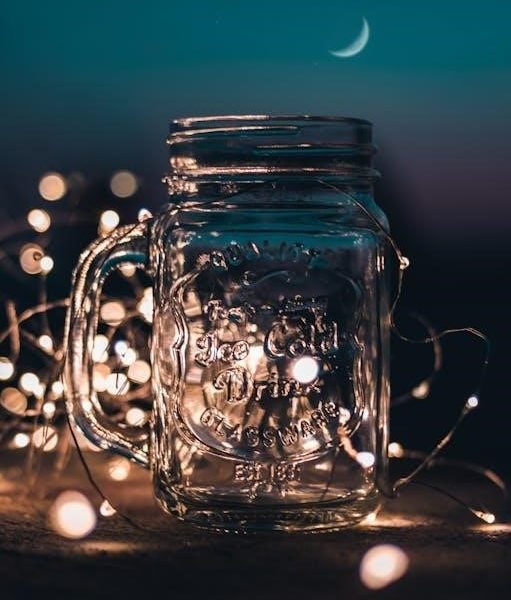
Mason jar collecting is a popular hobby‚ fueled by nostalgia and the charm of vintage glassware; enthusiasts seek unique pieces for display and enjoyment.
What is a Mason Jar?
Mason jars are glass jars historically used in home canning to preserve food‚ offering a reliable airtight seal. Named after John Landis Mason‚ who patented the first jar with a screw-top lid in 1858‚ they quickly became a household staple.
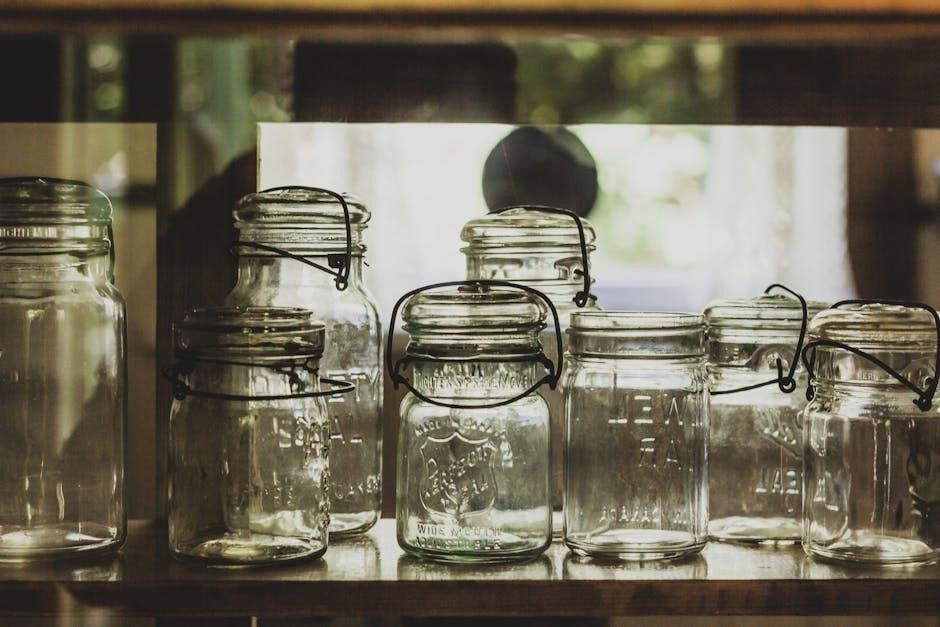
Originally designed for practicality‚ these jars are now cherished collectibles. They typically feature a wide mouth‚ straight sides‚ and often embossed markings indicating the manufacturer. Beyond food storage‚ their versatility led to creative uses‚ boosting their enduring appeal. Today‚ collectors value them for their historical significance and aesthetic qualities.
Brief History of Mason Jars
Mason jars emerged in the mid-19th century‚ revolutionizing home food preservation; John Mason’s 1858 patent sparked widespread adoption‚ replacing less reliable methods. Numerous companies‚ like Ball and Kerr‚ soon entered the market‚ leading to diverse designs and innovations.
Early jars often featured variations in glass color and embossing. The early 20th century saw peak production‚ coinciding with increased home canning. As commercial food processing grew‚ their practical use declined‚ but their collectibility soared. Today‚ they represent a tangible link to a simpler‚ self-sufficient past‚ captivating enthusiasts worldwide.

Identifying Valuable Mason Jars
Determining a jar’s value requires careful examination of its features‚ including color‚ shape‚ embossing‚ and manufacturer’s marks‚ alongside its overall condition.
Understanding Different Jar Types
Mason jars evolved significantly over time‚ resulting in diverse types coveted by collectors. Early examples‚ like those from the 1850s‚ often featured variations in shape and closure mechanisms. Common types include the common mouth‚ wide mouth‚ and shoulder seam jars‚ each representing different eras and manufacturing techniques. Fruit jars‚ designed for home canning‚ differ from those intended for other purposes. Identifying these distinctions – the shape of the jar‚ the type of finish (e.g.‚ screw-top‚ lightning closure)‚ and the presence of specific features – is crucial for accurate identification and valuation. Recognizing these nuances allows collectors to appreciate the historical context and craftsmanship behind each jar.
Key Features to Look For (Color‚ Shape‚ Embossing)
Valuable mason jars often exhibit specific characteristics. Color variations‚ beyond the common clear glass‚ like blue‚ teal‚ or amber‚ significantly impact value. Shape nuances‚ including variations in shoulder height and base design‚ can indicate rarity. Embossing – logos‚ brand names (Ball‚ Kerr‚ Hazel-Atlas)‚ or decorative patterns – are critical identifiers. Look closely at the clarity and detail of the embossing. Subtle differences in these features‚ even within the same manufacturer’s line‚ can denote variations and increase collectibility. These details provide clues to a jar’s age‚ origin‚ and potential worth.
Recognizing Common Manufacturers (Ball‚ Kerr‚ Hazel-Atlas)
Identifying the manufacturer is crucial for valuation. Ball jars‚ known for their iconic logo and quality‚ are highly sought after. Kerr jars‚ another prominent brand‚ often feature distinct embossing patterns. Hazel-Atlas produced a wide range of jars‚ sometimes lacking prominent logos‚ making identification trickier. Familiarize yourself with each brand’s typical markings and glass colors. Early Ball jars with specific fruit or logo variations command premium prices. Recognizing subtle differences in logo styles and jar shapes helps pinpoint the manufacturer and approximate age‚ impacting collector value.
Rarity and Value Factors
Rarity significantly impacts value; color variations‚ embossing details‚ and overall condition are key determinants for collectors and market prices.
Color Variations and Their Impact on Value
Color profoundly influences a Mason jar’s desirability and price. Blue jars consistently rank as collector favorites‚ commanding premium prices due to their relative scarcity and aesthetic appeal. Teal or aqua variations also enjoy strong demand‚ often exceeding the value of common clear jars. However‚ the specific shade matters; deeper‚ richer hues generally fetch higher sums.
Early clear Mason jars‚ while plentiful‚ can still be valuable if they represent early production runs or feature unique characteristics; Unusual colors – like amber‚ purple‚ or even pink – are exceptionally rare and can attract significant attention from dedicated collectors‚ potentially reaching substantial values at auction or in private sales.
The Significance of Embossed Logos and Markings
Embossed logos and markings are crucial for identifying and valuing Mason jars. These details reveal the manufacturer – Ball‚ Kerr‚ Hazel-Atlas being prominent examples – and often the jar’s approximate age. Distinct logo variations‚ errors in embossing‚ or unique markings can dramatically increase a jar’s worth.
Collectors meticulously study these features‚ as they provide provenance and authenticity. Jars with clear‚ well-defined logos generally hold more value than those with faded or damaged markings. Specific logo styles correlate with particular production periods‚ aiding in accurate dating and assessment of rarity‚ ultimately impacting the jar’s market price.
Condition and Its Effect on Price
A Mason jar’s condition significantly impacts its value. Pristine jars‚ free from chips‚ cracks‚ stains‚ or significant wear‚ command the highest prices. Even minor flaws‚ like tiny fleabites on the rim‚ can substantially reduce worth. Whittle marks‚ caused by the manufacturing process‚ are generally accepted‚ but extensive damage diminishes appeal.
Collectors prioritize jars retaining their original luster and clarity. Restoration attempts‚ while sometimes necessary‚ often decrease value unless expertly done. The presence of the original lid adds to the premium‚ but condition remains paramount; a flawless jar is always more desirable.
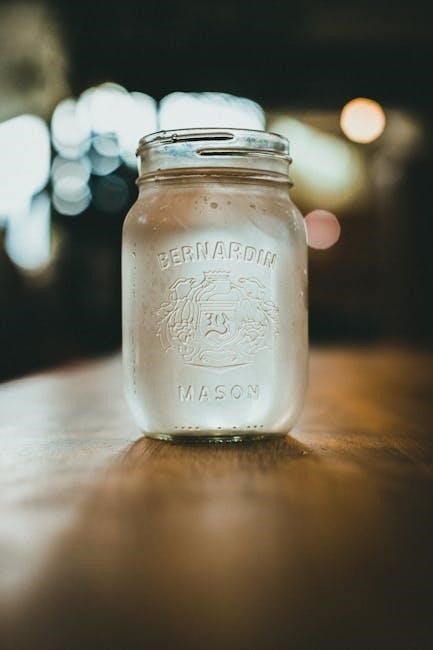
Popular Mason Jar Variations
Certain Mason jar colors and styles are highly sought after‚ including blue‚ teal‚ and early clear examples‚ driving collector interest and market value.
Blue Mason Jars: A Collector’s Favorite
Blue Mason jars consistently rank among the most desirable variations for collectors‚ largely due to their striking color and relative scarcity. The blue hue originates from trace amounts of cobalt oxide added during the glassmaking process. Different shades exist‚ ranging from pale‚ almost lavender blues to deep‚ rich cobalt tones‚ each impacting value. Early examples‚ particularly those with unique embossing or from lesser-known manufacturers‚ command premium prices. Collectors actively seek specific shades and sizes‚ making blue jars a vibrant and competitive segment of the market. Their aesthetic appeal and historical significance contribute to their enduring popularity.
Teal/Aqua Mason Jars: Demand and Value
Teal and aqua Mason jars are highly sought after by collectors‚ often rivaling blue jars in desirability. These colors‚ created by iron and other mineral impurities in the glass batch‚ offer a range of captivating shades. Variations in color intensity and clarity significantly influence value‚ with lighter‚ more translucent examples often preferred. Like blue jars‚ early production runs and those with distinct embossing patterns are particularly prized. The increasing demand‚ coupled with limited availability‚ continues to drive up prices for exceptional teal and aqua Mason jars within the collecting community.
Clear Mason Jars: Early Examples and Rarity
While often overlooked‚ early clear Mason jars can be surprisingly valuable. The earliest examples‚ predating widespread color production‚ represent a significant piece of canning history. These jars‚ typically from the mid-to-late 19th century‚ often feature unique mold variations and embossing details. Their rarity stems from lower production numbers and higher breakage rates during that era. Collectors prize clear jars with unusual features or those attributed to lesser-known manufacturers. Condition is paramount; pristine examples command a premium‚ showcasing the jar’s historical integrity.
Unique and Unusual Mason Jar Colors
Beyond the popular blues and teals‚ a spectrum of rarer Mason jar colors captivates collectors. Amber‚ amethyst‚ and even black glass jars exist‚ though finding them is challenging. These unusual hues often resulted from experimental glass batches or specific manufacturing processes; Pumpkin-colored jars‚ a vibrant orange‚ are particularly sought after. Variations within colors – like “sunflower yellow” – also increase value. Identifying the origin of these unique shades adds to the thrill of the hunt‚ making them prized possessions within dedicated collections.

Where to Find Mason Jars
Antique stores‚ flea markets‚ estate sales‚ and online auctions (like eBay) are prime locations for discovering vintage Mason jars‚ offering varied selections.
Antique Stores and Flea Markets
Antique stores and flea markets represent classic hunting grounds for Mason jar collectors. These venues often harbor hidden gems amongst a diverse array of vintage items‚ allowing for in-person inspection before purchase. Prices can vary significantly‚ offering opportunities for both bargains and higher-end finds.
The thrill of the hunt is a major draw‚ as you never quite know what treasures await discovery. Building rapport with antique store owners can provide valuable insights and potential leads on upcoming collections. Flea markets‚ with their numerous vendors‚ demand patience and a keen eye‚ but can yield exceptional results for dedicated collectors seeking unique additions to their displays.
Online Auctions (eBay‚ etc.)
Online auction platforms‚ such as eBay‚ have become central hubs for the Mason jar collecting community. They offer a vast selection‚ often exceeding what’s available locally‚ and provide access to jars from across the globe. Detailed photographs and descriptions are crucial when evaluating potential purchases‚ as in-person inspection isn’t possible.
Bidding wars can drive up prices‚ but also present opportunities to secure rare finds. Thorough research on completed listings helps establish fair market values. Be mindful of shipping costs and seller reputations to ensure a smooth transaction and avoid potential disappointments. Patience and diligence are key to successful online Mason jar hunting.
Estate Sales and Auctions
Estate sales and traditional auctions represent excellent avenues for discovering Mason jars‚ often at competitive prices. These events frequently unearth collections accumulated over generations‚ presenting opportunities to find unique and undervalued pieces. Attending in person allows for careful examination of condition and identification of subtle features.
However‚ competition can be fierce‚ especially for desirable variations. Researching auction catalogs beforehand and establishing a budget are advisable. Estate sales often involve negotiation‚ so don’t hesitate to politely inquire about pricing. Be prepared for potential bidding wars and remember to factor in transportation costs when evaluating potential purchases.
Grading and Authentication
Accurate grading assesses a jar’s condition‚ impacting value; authentication verifies originality‚ protecting collectors from reproductions and ensuring investment security.
Understanding Mason Jar Grading Standards
Mason jar grading isn’t rigidly standardized‚ but common criteria exist. “Mint” jars are perfect‚ showing no flaws – exceedingly rare for antiques. “Near Mint” exhibits minimal wear. “Excellent” displays light wear‚ like minor scratches. “Very Good” shows noticeable wear‚ but remains intact. “Good” has significant wear‚ potentially including chips‚ but is still collectible. “Fair” is heavily damaged‚ primarily for display or study.
Factors considered include chips‚ cracks‚ stains‚ whittle marks‚ and embossing clarity. Original lids significantly boost value‚ but are often missing. Grading impacts price; a mint jar commands a premium‚ while damaged ones are less valuable. Consistent grading helps establish fair market values.
Resources for Authentication
Authenticating Mason jars requires careful research. Key resources include online forums dedicated to jar collecting‚ where experienced collectors share knowledge and expertise. Reputable price guides‚ like those by Dean Ganger‚ offer detailed information on manufacturers‚ variations‚ and estimated values.
Several websites specialize in identifying jars based on markings and features. Consider joining historical societies or contacting museum curators specializing in glass artifacts. Beware of reproductions; comparing your jar to known authentic examples is crucial. Professional appraisal services are available for high-value pieces.

Protecting Your Collection
Safeguarding Mason jars involves careful storage‚ gentle cleaning‚ and avoiding harsh chemicals to preserve their condition and value for years to come.
Proper Storage Techniques
Protecting your valuable Mason jars begins with mindful storage practices. Avoid stacking jars directly on top of each other‚ as this can lead to chipping or breakage. Instead‚ utilize padded dividers or individual boxes for each jar.
Store your collection in a climate-controlled environment‚ away from direct sunlight and extreme temperature fluctuations‚ which can cause fading or damage.
Consider using shelving units with adjustable shelves to accommodate various jar sizes. Dust regularly with a soft cloth to maintain their appearance‚ and avoid placing jars in high-traffic areas where accidental bumps are likely. Proper handling during display is also crucial for long-term preservation.
Cleaning and Preservation Methods
Gentle cleaning is key when preserving antique Mason jars. Avoid harsh chemicals or abrasive cleaners‚ as these can damage the glass or delicate embossing. Warm water and mild dish soap are usually sufficient for removing dust and grime.
For stubborn residue‚ a soft-bristled brush can be used cautiously. Rinse thoroughly and allow jars to air dry completely before storing.
Avoid dishwasher cleaning‚ as the high heat and harsh detergents can cause irreversible damage. Handle jars with care‚ and consider wearing gloves to prevent fingerprints. Regular‚ gentle cleaning will help maintain their value and beauty for years to come.
Resources for Collectors
Numerous online forums‚ comprehensive books‚ and price guides assist collectors; museums and historical societies also offer valuable insights into Mason jar history.
Online Forums and Communities
Engaging with fellow collectors online is a fantastic way to expand your knowledge and discover new finds. Several dedicated forums and social media groups cater specifically to Mason jar enthusiasts. These platforms provide spaces to share photos of your collection‚ ask questions about identification and value‚ and participate in lively discussions.
You can connect with experienced collectors willing to offer guidance‚ learn about upcoming auctions and estate sales‚ and even trade or sell jars within the community; Active participation fosters a sense of camaraderie and provides access to a wealth of collective expertise‚ significantly enhancing your collecting journey. Don’t hesitate to join and contribute!
Books and Price Guides
Comprehensive books and regularly updated price guides are essential resources for any serious Mason jar collector. These publications offer detailed information on jar variations‚ manufacturing marks‚ historical context‚ and current market values. They often include high-quality photographs for accurate identification and grading.
Look for guides that specialize in antique glassware or specifically focus on Mason jars‚ as these will provide the most relevant and in-depth information. While prices can fluctuate‚ these resources offer a solid baseline for assessing the potential worth of your finds and making informed purchasing decisions.
Museums and Historical Societies
Local and national museums‚ alongside historical societies‚ can be invaluable resources for Mason jar collectors. Many institutions feature exhibits showcasing antique glassware‚ including various Mason jar types‚ offering insights into their history and cultural significance. These displays provide opportunities to examine jars firsthand and learn about manufacturing techniques.
Furthermore‚ historical societies often possess archives with information on local glass factories and prominent jar manufacturers. Engaging with these organizations can unlock unique knowledge and connect you with fellow enthusiasts‚ fostering a deeper appreciation for this fascinating collecting hobby.
Current Market Trends
Demand for specific Mason jar types fluctuates‚ with blue and teal varieties remaining highly sought after; prices vary based on rarity and condition.
Popularity of Specific Jar Types
Certain Mason jar varieties consistently attract significant collector interest. Blue Mason jars‚ particularly those in vibrant shades‚ are perennial favorites‚ often commanding premium prices due to their aesthetic appeal and relative scarcity. Teal or aqua jars also enjoy considerable demand‚ with collectors appreciating their unique coloration and historical significance.
While clear Mason jars are more common‚ early examples or those with unusual features can still be valuable. Beyond these core types‚ unique and unusual colors – like amber or purple – generate excitement and competitive bidding among dedicated enthusiasts‚ driving up their market value.
Price Fluctuations and Investment Potential
The Mason jar market experiences price fluctuations influenced by trends‚ rarity‚ and condition. Popular types‚ like blue jars‚ maintain relatively stable values‚ while unusual colors can see dramatic spikes based on collector demand. Economic conditions also play a role; during uncertain times‚ tangible assets like vintage glassware may attract investment.
While not a guaranteed path to riches‚ carefully selected Mason jars can appreciate in value over time. Researching market trends‚ understanding grading standards‚ and focusing on rare or desirable examples are crucial for maximizing potential returns.